Featured
 Ambazonia Crisis: latest on Sisiku Ayuk Tabe’s arrest, trial and conviction
 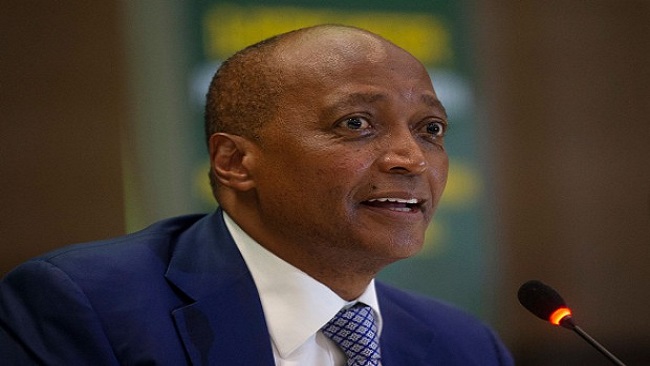 2025 Africa Cup of Nations: Patrice Motsepe should go and go now!
  Changes in the Senate and National Assembly: who becomes next head of state?
 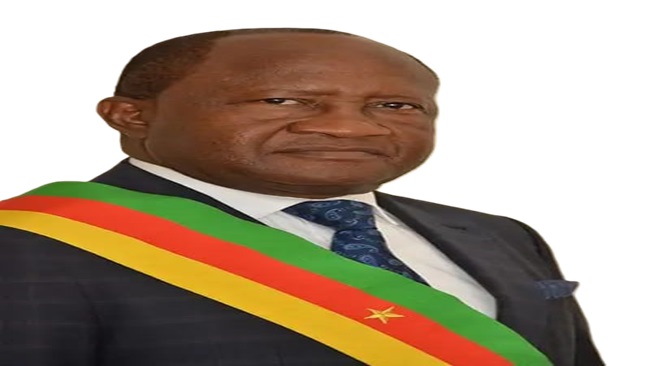 Yaoundé: Hon. Theodore Datoua is new Speaker of the National Assembly
  Ambazonia Interim Gov’t reacts to Pope Leo’s visit
Most Commented Posts
 4 Anglophone detainees killed in Yaounde
18 comments Chantal Biya says she will return to Cameroon if General Ivo Yenwo, Martin Belinga Eboutou and Ferdinand Ngoh Ngoh are sacked
13 comments The Anglophone Problem – When Facts don’t Lie
12 comments Anglophone Nationalism: Barrister Eyambe says “hidden plans are at work”
12 comments Largest wave of arrest by BIR in Bamenda
10 comments
Featured
-
Senegal’s President to visit Spain, migration among key issues
-
Iran will obliterate energy infrastructure in region if its power plants attacked
-
Football: Arsenal is keen to sign Cameroonian teenager
-
Iran says 55 enemy targets go up in smoke as it unleashes 70th wave of Op. True Promise 4
-
CPDM Crime Syndicate: regime delays parliamentary elections, lawmakers to stay until end 2026
-

Iran debuts multi-warhead ‘Nasrallah’ missile to strike Israel’s oil refineries
-

Smarter Water Use Could Feed 10 Billion and Create Nearly 250 Million Jobs
25, February 2018
49-year-old Joshua Osih to face Biya 0
Joshua Osih, a 49-year-old lawmaker has been elected as flagbearer of Cameroon’s main opposition Social Democratic Front (SDF). A native of the country’s southwest region, Osih is an aviation expert.
He was the overwhelming choice of delegates at the SDF congress polling 1,021 votes representing 88.4% as against 134 votes (12%) polled by his closest challenger, Forbi Nchinda. He, however, remains deputy chairperson of the party which is still led by Ni John Fru Ndi, 77, founder of the SDF.
Ndi who was the party’s candidate in the last election said he was leaving the stage for younger politicians at the party’s congress held in capital of the northwest region of Bamenda.
“I will not present my candidature for the Presidential election, I want you to chose who is best to be the flag bearer,” Ndii told delegates.
Cameroon has a busy electoral year in which they are set to pick senators in late March, 2018. The elections will in effect mark the start of a busy electoral calender as it is set to be followed by council, legislative and presidential elections later this year.
The respective dates are yet to be determined by the President. President Biya, 85, is expected to seek a mandate extension after over three decades in charge of the Central African country. His regime has faced secession threats in the predominantly Anglophone regions – northwest and southwest.
Source: Africa News