5, September 2026
Bishop Attakruh honoured for inspiring homily at African Catholic Cultural Celebration in Belgium 0
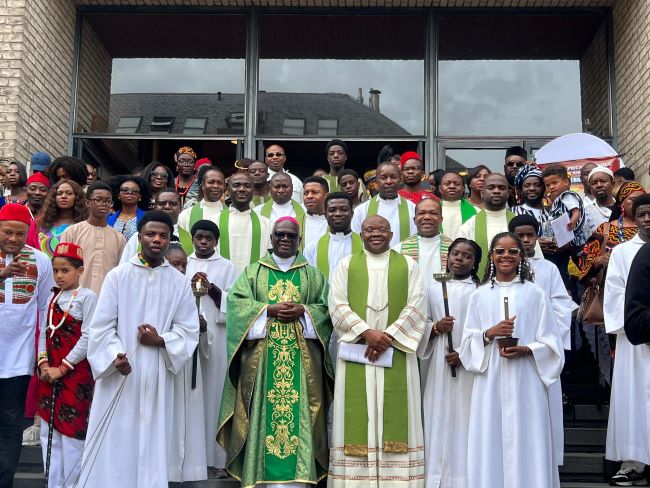
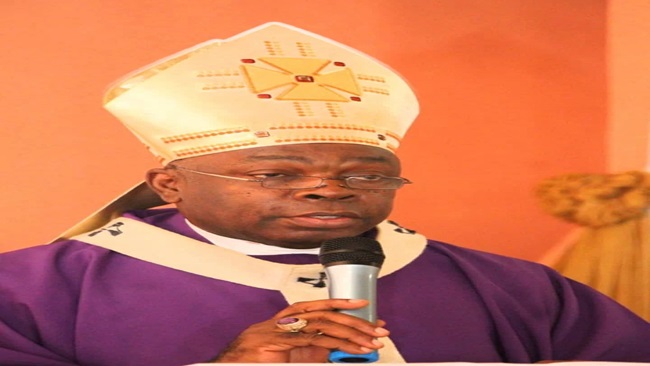
The Catholic Diocese of Sekondi-Takoradi in Ghana was proudly represented in Antwerpen, Belgium, as His Lordship Bishop John Baptist Attakruh joined the Anglophone African Catholic Community for a special celebration of cultural diversity, heritage, faith and unity.
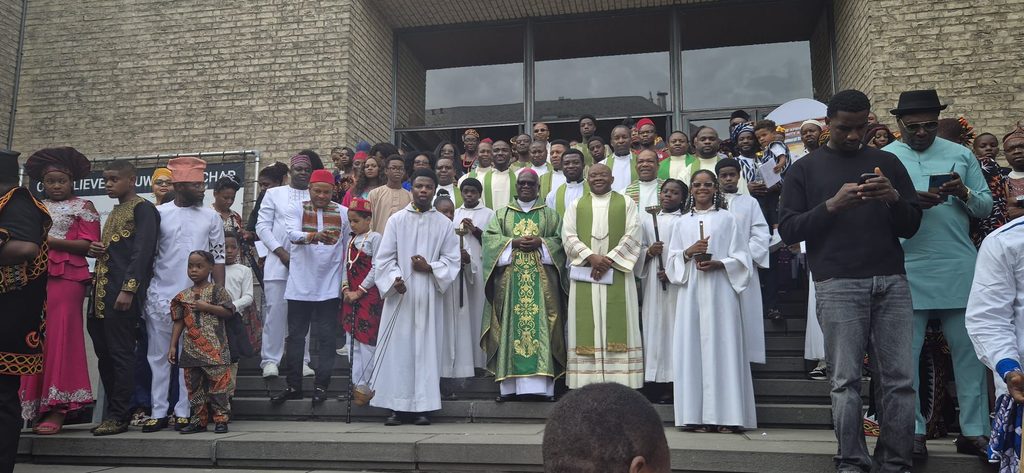
The celebration, held on Sunday, 30 August, brought together a mammoth gathering of Africans and friends of the community from different countries, united by their common Catholic faith and shared cultural heritage. Bishop Attakruh was in Belgium at the special invitation of the Parish Priest, Rev. Fr. Callistus Uzoma Okponenwu, whose pastoral ministry has continued to play an important role in helping Africans in Belgium remain connected to their faith and the Roman Catholic Church.
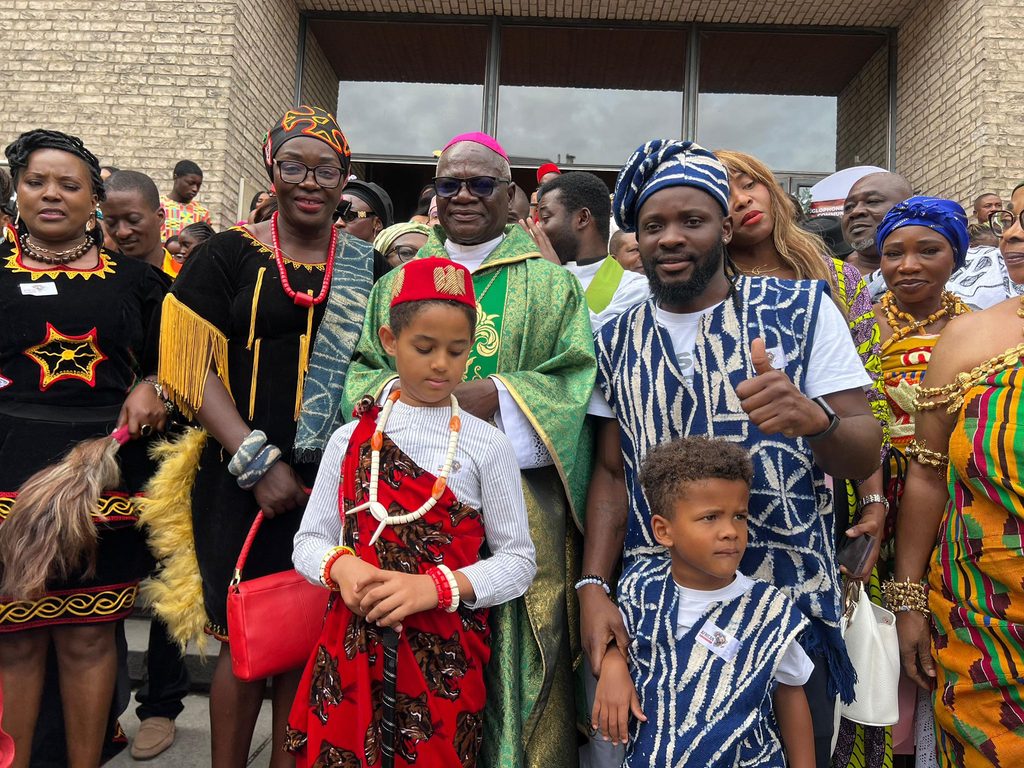
In a rich and inspiring homily, Bishop Attakruh called on Africans in the diaspora to remain united and to see themselves as one people, regardless of their different nationalities, languages and cultural backgrounds.
He also encouraged the faithful to remain steadfast in their Catholic faith and to continue to uphold the values of the Holy Roman Catholic Church wherever they find themselves.
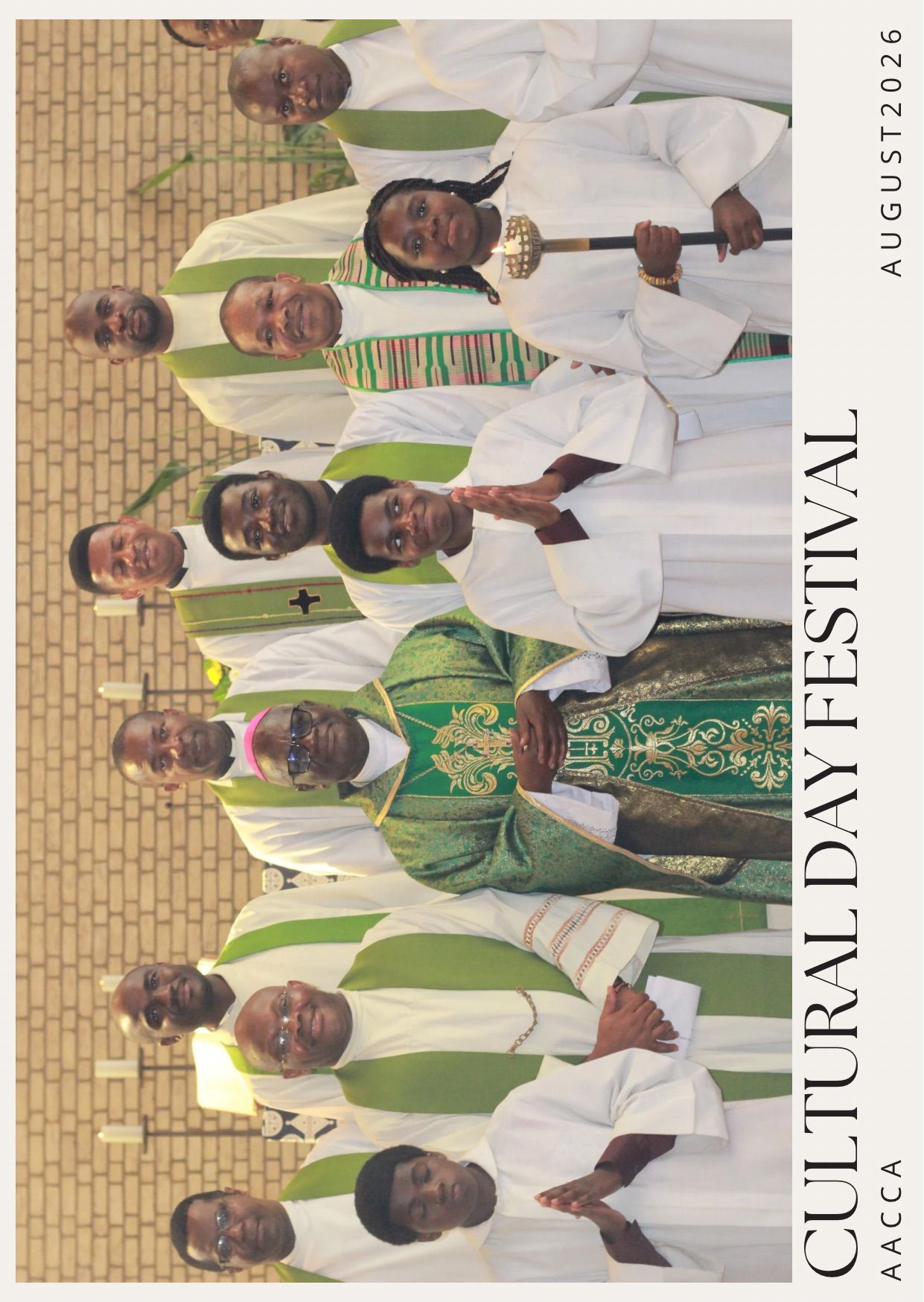
The Bishop’s message resonated strongly with the congregation, particularly at a time when African communities across Europe are increasingly seeking ways to preserve their cultural identity while remaining firmly rooted in their Christian faith.
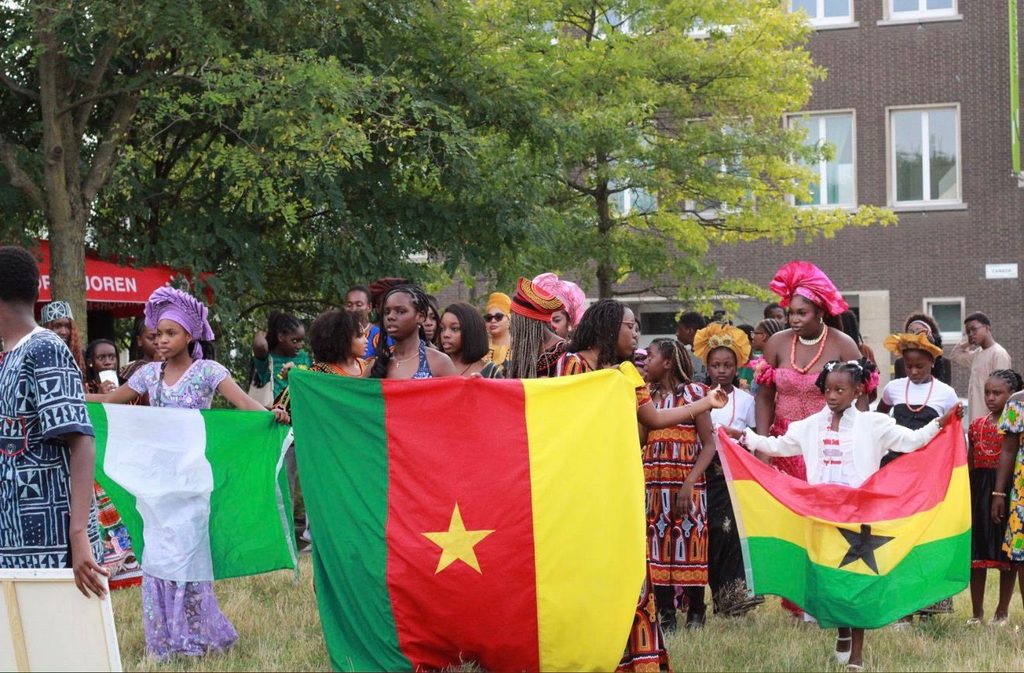
The celebration attracted participants from beyond Belgium. Among those present were members of the Swords Centre African Chaplaincy of the Archdiocese of Dublin, Ireland, as well as members of the Cameroon Catholic Community in Mülheim, Germany. Their presence added an international dimension to an occasion that demonstrated the strength and unity of the African Catholic family in Europe.
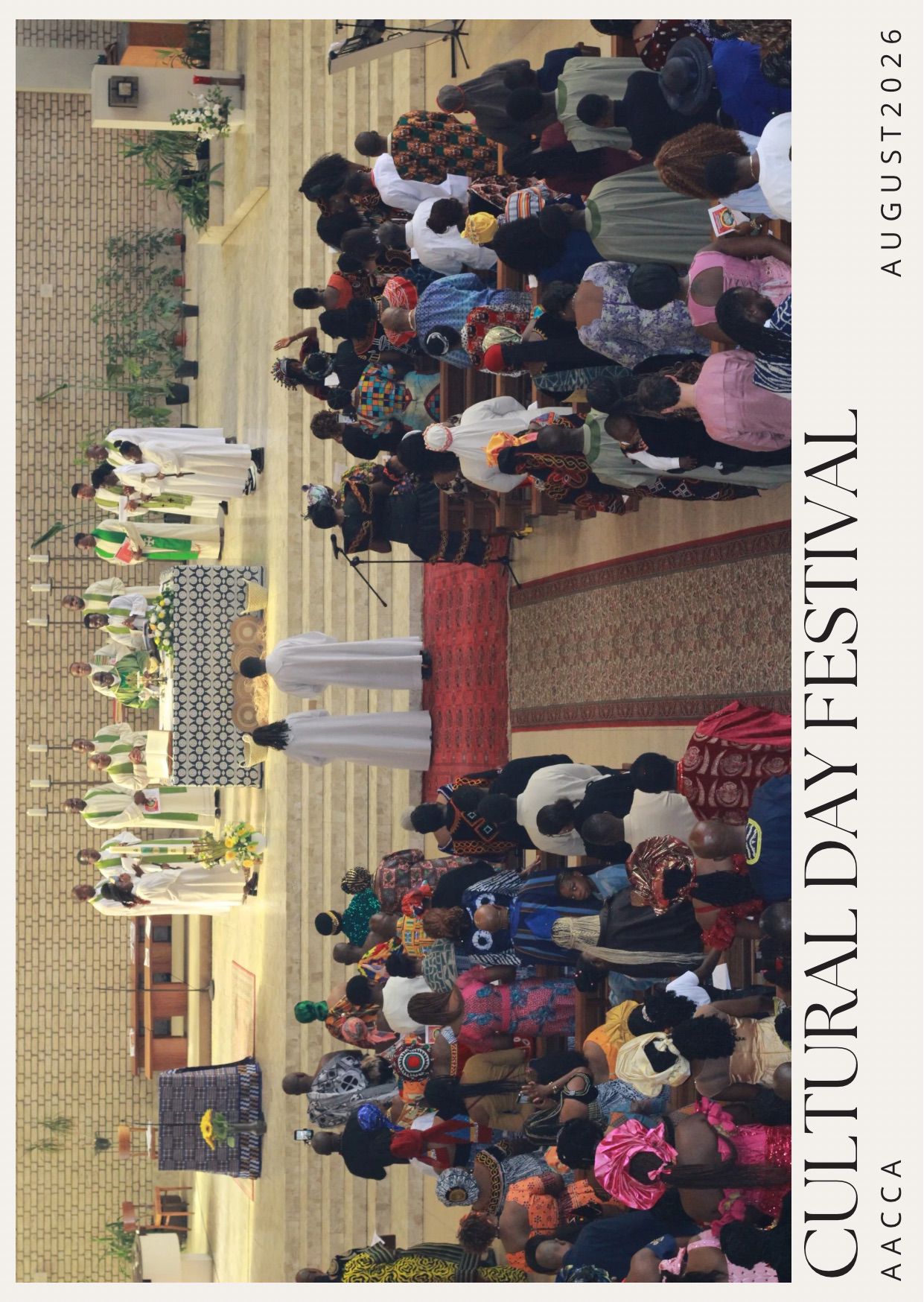
The gathering was not only a celebration of culture and heritage but also a powerful expression of Christian fellowship. Africans from different countries came together as brothers and sisters, demonstrating that the Catholic faith can serve as a strong bridge across national and cultural boundaries.
The Chairman of the Organising Committee, Alhaji Moses Nji Ndeh, expressed profound appreciation to Bishop Attakruh for honouring the invitation and for contributing so meaningfully to the success of the celebration.
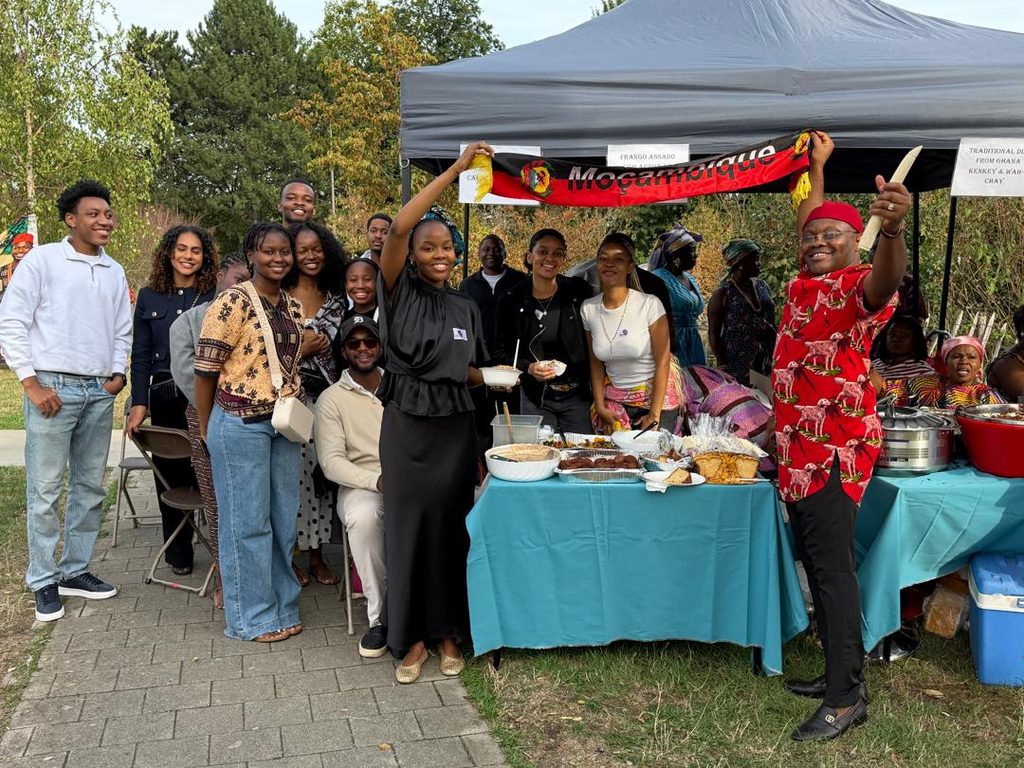
He praised the Bishop for his inspiring presence, his powerful homily and his message of unity, faith and solidarity among Africans in the diaspora. He also extended his gratitude to everyone who contributed to making the event a memorable occasion.
Special commendation was also given to Rev. Fr. Callistus Uzoma Okponenwu, whose dedication to the pastoral needs of Africans in Belgium continues to provide an important source of spiritual support and encouragement.
Through his ministry, Fr. Callistus has helped create opportunities for Africans to come together, celebrate their cultures and, most importantly, strengthen their relationship with the Roman Catholic Church. His commitment to keeping the African faithful connected to the Church and to one another deserves recognition and appreciation.
The Anglophone African Catholic Community in Antwerpen therefore extends its heartfelt gratitude to Bishop John Baptist Attakruh for being part of this great celebration. His presence, fatherly guidance and rich homily left a lasting impression on the faithful and gave renewed meaning to the celebration of African unity, heritage and faith.
The community also expresses sincere appreciation to Rev. Fr. Callistus Uzoma Okponenwu for his tireless efforts in supporting Africans in Belgium and helping them remain strong in their Catholic faith.
The celebration ultimately stood as a reminder that, despite geographical distances and differences in nationality, faith, culture and unity can bring Africans together as one family in Christ.
By Soter Tarh Agbaw-Ebai on special assignment in Antwerpen












27, September 2026
Pope Leo XIV’s open-air Mass in Paris draws many more than expected 0
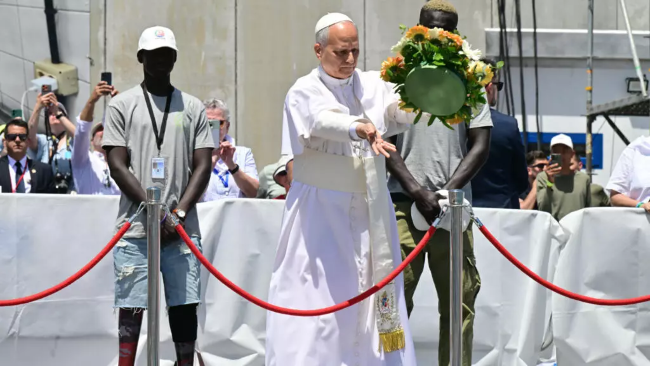
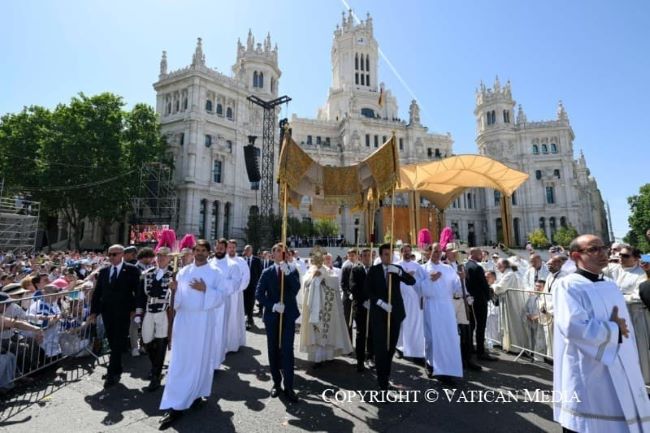
Pope Leo XIV’s open-air Mass on Saturday proved to be a huge event, drawing 200,000 more people than had registered to attend.
The event drew people of various faiths and ages, highlighting the church’s enduring influence despite secular trends.
Here, according to estimates from the organizers and the Paris police department, are some of the eye-popping numbers:
600,000: the number of people who registered to attend the Mass.
800,000: the Vatican’s estimated number of people who actually turned up.
2,400: priests and deacons, plus about 100 bishops.
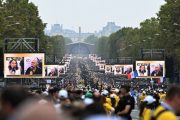
About 3 kilometers (nearly two miles): the length of the security zone closed to road traffic for the event — stretching from Place de la Concorde, up the Champs-Elysées and past the Arc de Triomphe at the top of the famous avenue.
Dozens: babies and young children that people brought out of the crowd to receive a papal caress on the head from Leo as he rode slowly down the Champs-Elysées aboard the popemobile.
4 meters (13 feet): the top-to-bottom length of a golden cross hung above the stage on Concorde Plaza.
14,500: police officers, gendarmes, military personnel and firefighters mobilized in Paris for the second day of the papal visit.
27 million: the expected cost of the visit in euros (the equivalent to nearly $31 million).
Culled from Crux