
25, August 2026
Music legend Dolly Parton dies at 80 0
Dolly Parton, the country music star who rose from grinding poverty in Tennessee to become a rhinestone-studded cultural icon with hits like “Jolene” and “9 to 5,” has died at 80, her family said Tuesday.
Parton was more than a singer — she wrote 3,000 songs, acted in major Hollywood films and donated millions of dollars to charities in her home state and beyond.
She was also an accomplished businesswoman, with her interests spanning from her popular Dollywood theme park to cosmetics, pet apparel, baking mixes and even a truck stop.
“Dolly has lived in the light and is in the arms of Jesus,” her nephew Bryan Seaver said in a video announcing her death on social media.
He said the multiple award-winning artist — known for her glittering style, curvy figure and larger-than-life blonde wigs — had “opened doors for generations of singers, songwriters, musicians, and dreamers from every walk of life.”
The family did not give a cause of death, but Parton had spoken about her recent ill health. Her husband Carl Dean died last year.
A small private funeral service will be held, her representative told People magazine, encouraging fans to leave messages on her website.
Tributes quickly poured in for Parton, who won 10 Grammys and 13 Academy of Country Music (ACM) awards during her long career.
“May her legacy live on through her songs, the lives she touched, and the countless artists she inspired. There will never, ever be another one like her,” the Grand Ole Opry, America’s temple of country music, said on social media.
Her co-stars from the hit 1980 movie “9 to 5,” which sparked her soundtrack smash, expressed their shock.
Oscar winner Jane Fonda said she was “devastated” while Lily Tomlin said only: “No words.”
The news even sparked a rare moment of unity in a country often bitterly at odds over Donald Trump’s presidency, the war against Iran and cultural issues.
Trump ordered the lowering of American flags to half-staff across the United States for a week, calling Parton’s passing a “true loss for millions of people.”
“There has never been anyone like her, and never will,” Trump posted on his Truth Social network.
Democratic former president Bill Clinton called her “one of a kind.”
New York’s Empire State Building was to be lit later Tuesday in pink in the singer’s honor.
Born in 1946 as one of 12 children in rural Tennessee, Parton headed for the country music capital Nashville right after graduating from high school.
By 1967, at age 21, she was among the most recognized figures in American music, having joined Porter Wagoner’s syndicated country music television show that broadcast her voice and face into millions of US homes.
During a prolific career that spanned six decades, Parton penned some 3,000 tunes.
They included “Jolene,” “Coat of Many Colors” and the iconic ballad “I Will Always Love You,” which became an international success for Whitney Houston.
Releasing 49 studio albums and more than 100 compilation and collaboration albums, she earned the title of “queen of country music.”
Never one to downplay her striking looks, Parton essentially wrote the book on how a woman can rule the airwaves in a male-dominated industry, ultimately becoming an American treasure with songs covered by everyone from Shania Twain to Sinead O’Connor.
“Instant Sainthood,” Jack White, who covered “Jolene” with the White Stripes, wrote on Instagram.
Last year, Parton postponed a series of Las Vegas concerts, citing ongoing health concerns. In May, she canceled them altogether, sparking new fears.
In videos posted to her social media accounts, she said that while treatment for an unspecified illness was going well, she was not ready to perform.
Just last week, she said in a statement to People magazine: “I still have so many things I want to achieve, so I’m gonna keep on working as long as I can to see everything come to life.”
“She brought so many people together, we will all miss her so much,” said Rolling Stones frontman Mick Jagger.
Source: AFP























9, September 2026
Club 40 Solidarity Antwerpen celebrates 5th Anniversary, reaches out to widows affected by Anglophone Crisis 0
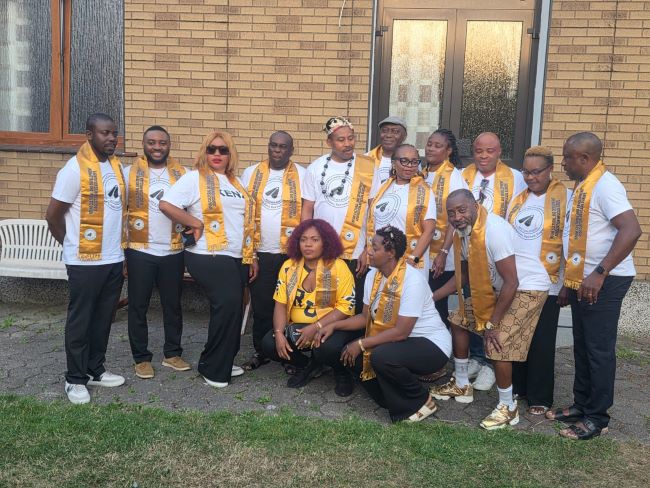
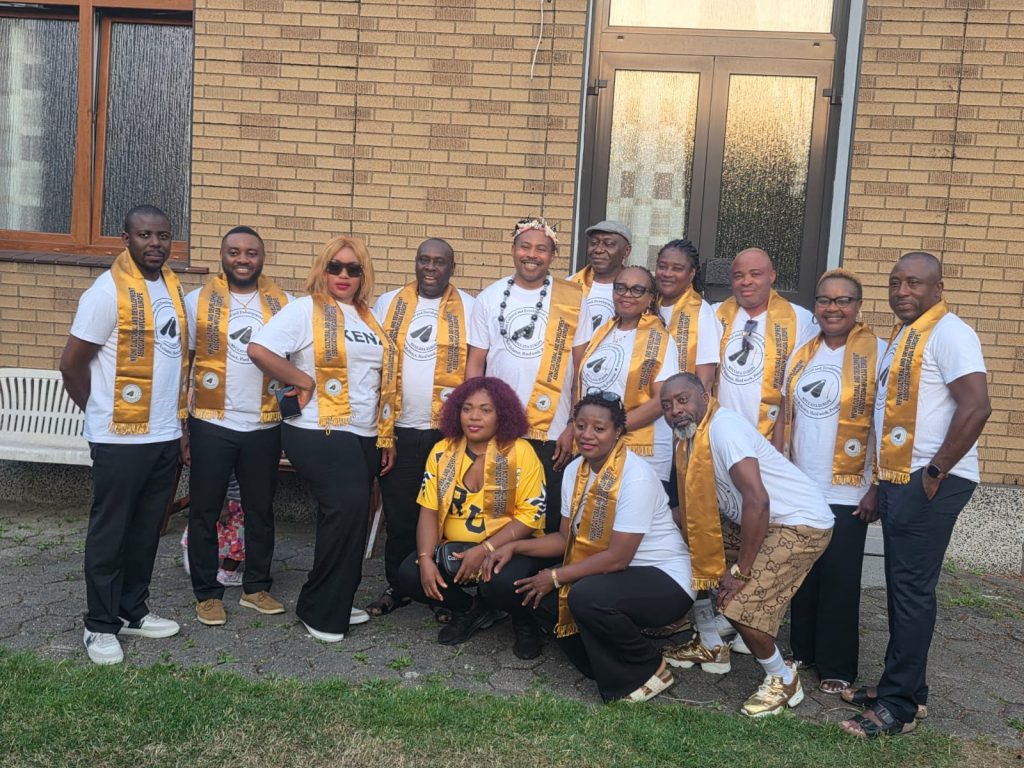
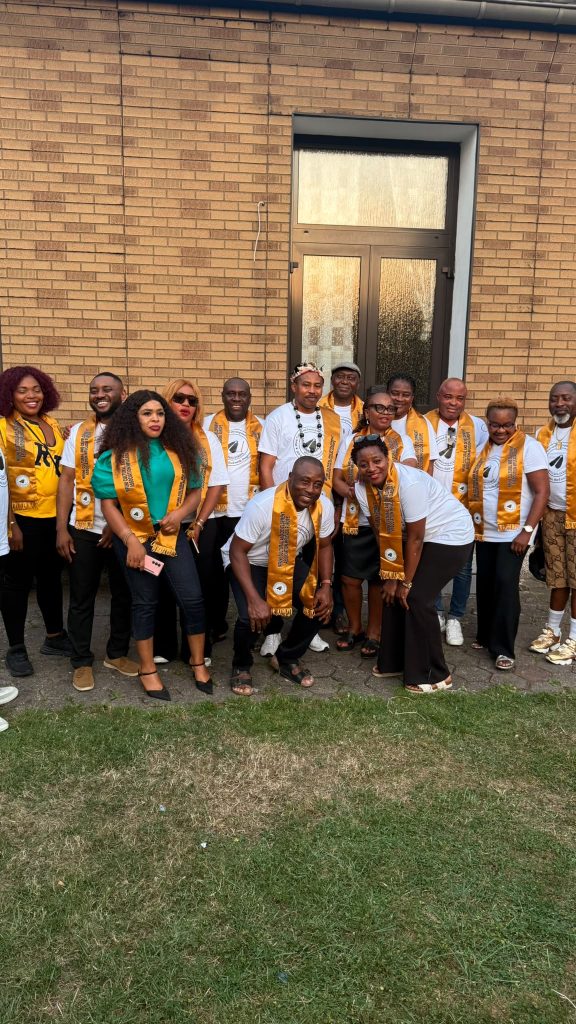
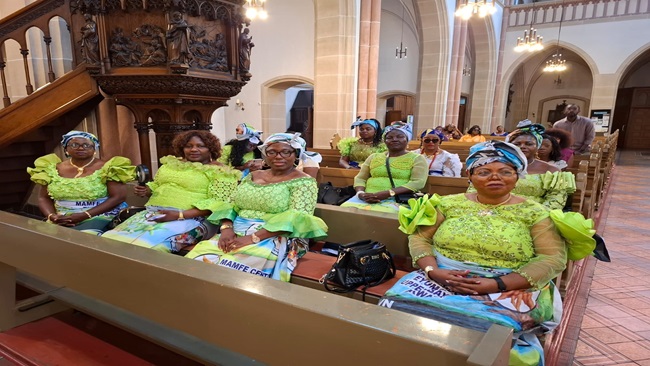
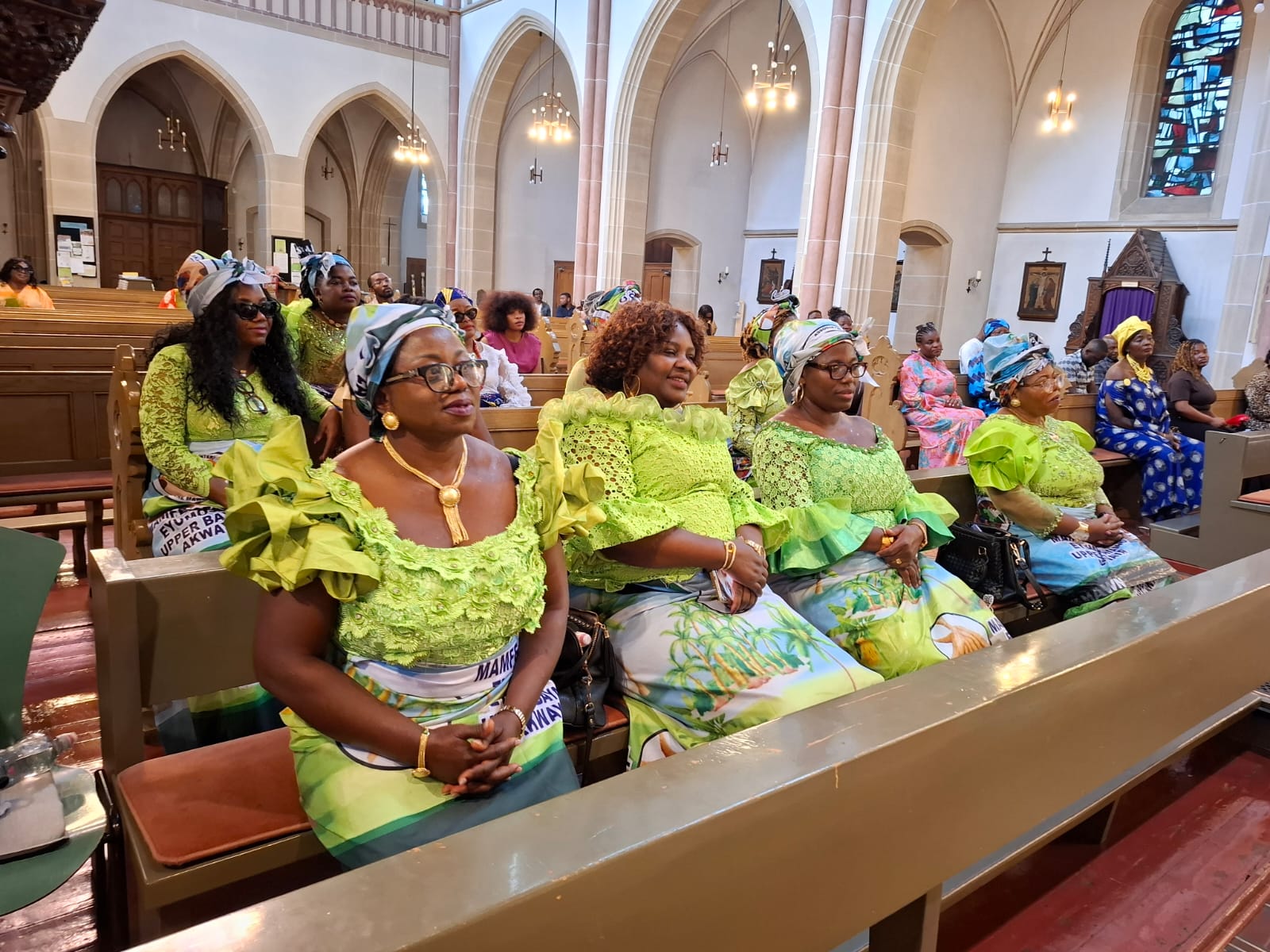
Club 40 Solidarity Antwerpen, a Cameroonian women’s organisation dedicated to fostering unity, cooperation and solidarity among Cameroonian women living in Antwerpen, is set to celebrate five years of existence with a special fundraising gala night on Saturday, September 12, 2026.
The anniversary celebration, which will take place at Kerkhofstraatblommenstraat 1, 2170 Antwerpen, beginning at 8:00 p.m., is expected to bring together Cameroonians, Africans, friends and well-wishers for an evening of entertainment, fellowship and humanitarian solidarity.
What makes this year’s celebration particularly significant is the decision by Club 40 Solidarity Antwerpen to use the occasion not only to celebrate its remarkable five-year journey, but also to raise funds to support widows affected by the ongoing crisis in the Anglophone regions of Cameroon.
The initiative is a commendable demonstration of compassion and social responsibility. At a time when many families in conflict-affected communities continue to struggle with loss, displacement and economic hardship, remembering widows and vulnerable families is a powerful expression of solidarity.
By dedicating part of its anniversary celebration to such a humanitarian cause, Club 40 Solidarity Antwerpen has demonstrated that community organisations can go beyond social gatherings to make a meaningful difference in the lives of people facing difficult circumstances back home.
The organisation deserves special commendation for keeping alive the spirit of community and extending its solidarity across borders. Its initiative is a reminder that celebrating success becomes even more meaningful when it is accompanied by an effort to uplift those in need.
Speaking about the event, Club 40 Solidarity Antwerpen President Lady Lia Eleanor Ndi appealed to Cameroonians and Africans in Antwerpen and beyond to turn out in large numbers and make the anniversary gala a memorable occasion.
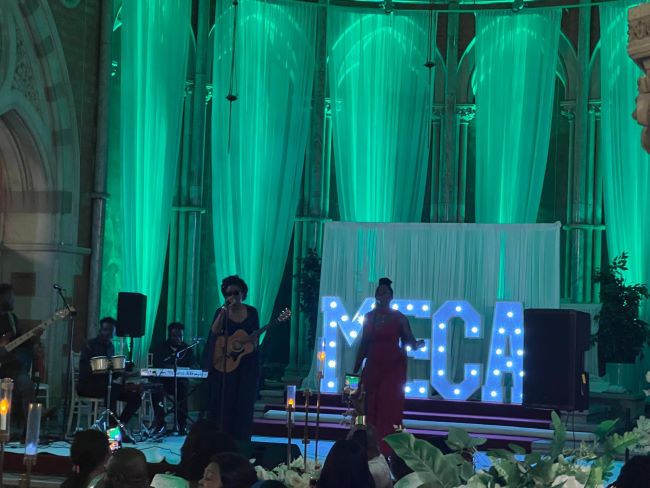
The evening will also feature entertainment from renowned DJ Patcoole, promising guests an atmosphere of music, dancing, celebration and conviviality.
As Club 40 Solidarity Antwerpen reaches this important five-year milestone, its members deserve congratulations for their commitment to unity, cooperation and community building. Five years of existence is a significant achievement and the organisation’s decision to mark the occasion with a humanitarian fundraising initiative makes the milestone even more worthy of celebration.
The September 12 gala is therefore more than an anniversary party. It is an opportunity for the Cameroonian and wider African community in Antwerpen to come together, celebrate an organisation that has served its community for five years, and extend a helping hand to widows whose lives have been profoundly affected by conflict.
Cameroonians, Africans, friends of Cameroon and well-wishers are encouraged to attend the gala massively, support the fundraising effort and make their presence count.
As Club 40 Solidarity Antwerpen celebrates five years of sisterhood and solidarity, the organisation has shown that true celebration is not only about looking back at achievements, but also about reaching out to those who need a helping hand.
Happy 5th Anniversary to Club 40 Solidarity Antwerpen and congratulations for turning celebration into an opportunity for compassion and humanitarian support.
By Soter Tarh Agbaw-Ebai