
22, September 2026
A new phase for the Southern Cameroons struggle? 0
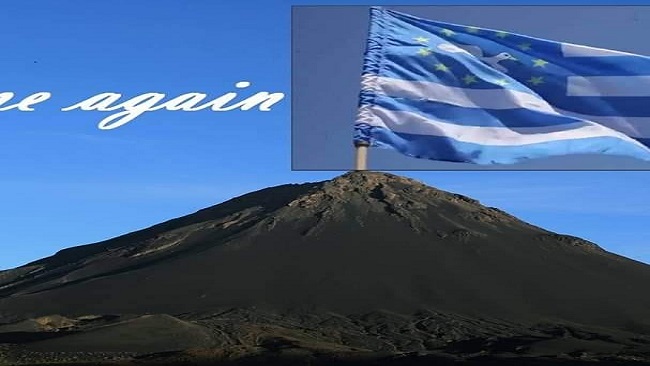
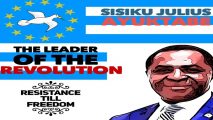
Reports that the Ambazonia Interim Government is preparing to reorganize itself as the Ambazonia People’s Liberation Authority (APLA) would represent a significant structural change for the Southern Cameroons separatist movement, if formally confirmed.
The reported transition appears intended to move the organization away from an interim-government framework toward a broader liberation-authority model as the conflict in Cameroon’s English-speaking regions enters another phase. Such a restructuring could have implications not only for the movement’s internal organization but also for how it presents its political objectives to governments, international institutions and other Southern Cameroons stakeholders.
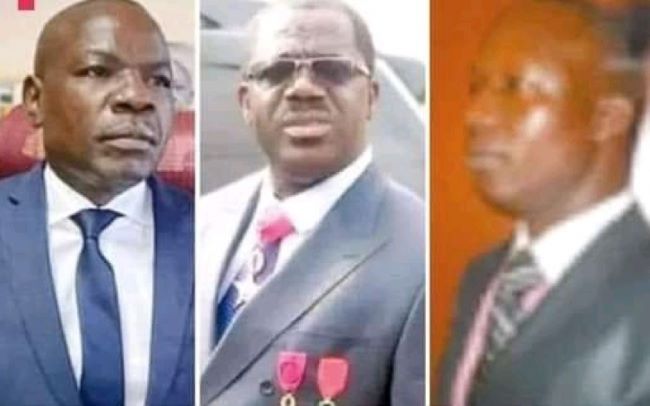
Another reported development is the expected departure of Vice President Dabney Yerima and the prospect of stakeholders selecting an envoy. A diplomatic representative could become particularly important if the movement seeks greater engagement with foreign governments, international organizations and civil-society actors.
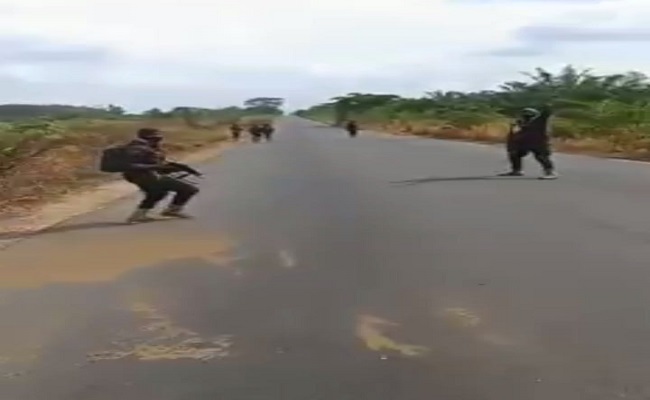
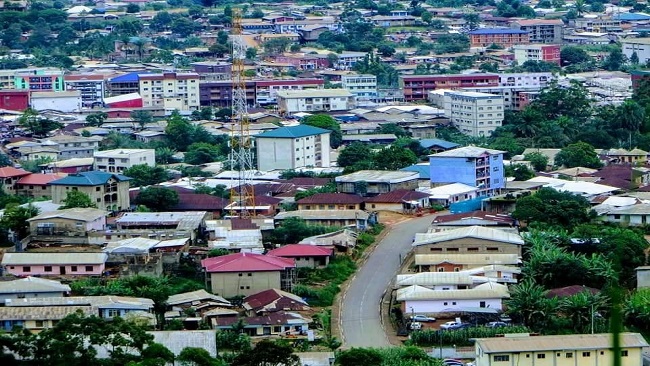
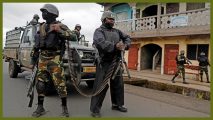
The wider crisis in Cameroon’s Northwest and Southwest regions has already generated substantial humanitarian and political consequences. Any new organizational arrangement therefore faces the challenge of translating political claims into credible diplomatic engagement while addressing concerns about civilian protection, humanitarian access and a peaceful resolution to the conflict.
International diplomacy remains an important avenue for bringing greater attention to the crisis. Governments and international institutions can contribute through sustained engagement, humanitarian assistance, support for dialogue, documentation of alleged abuses and efforts aimed at reducing violence. For the Southern Cameroons movement, greater diplomatic engagement would also require clearly articulated political objectives, credible representatives and sustained attention to international diplomatic norms.
The reported transition to APLA, if confirmed, should consequently be understood not simply as a change of name or institutional structure, but as a potentially consequential moment for the movement’s political and diplomatic strategy. Its significance will ultimately depend on how the new structure is constituted, whom it represents, how it engages other stakeholders and what practical contribution it makes toward resolving the long-running conflict.
For the international community, the central issue remains the same: the crisis in Cameroon’s English-speaking regions requires sustained diplomatic attention and a political process capable of addressing the grievances of affected communities while protecting civilians and working toward a durable resolution.
By Soter Tarh Agbaw-Ebai












22, September 2026
Yaoundé: UN official calls for collective efforts to promote peace 0
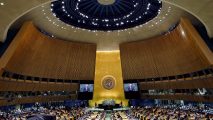
United Nations (UN) Resident and Humanitarian Coordinator in Cameroon Issa Sanogo on Monday called for joint efforts to protect peace and stability and promote peaceful development in the Central African country.
Sanogo made the call at a ceremony held at Cameroon’s National Assembly to mark the International Day of Peace celebrated annually on Sept. 21.
He said this year’s commemoration was particularly significant as both Houses of Parliament came together for the first time in this format to promote the peace agenda.
“Peace takes lasting root only when it becomes everyone’s business — championed by institutions, lived out by citizens, and built collectively at the heart of the republic,” Sanogo said.
Sanogo noted that for more than a decade, Cameroon’s Far North region has faced insecurity linked to Boko Haram, while an armed separatist conflict has continued in the Anglophone Northwest and Southwest regions.
He also commended Cameroon for maintaining its tradition of solidarity by hosting refugees fleeing conflicts in the sub-region.
“Today, we honor the memory of the victims and salute the resilience of affected communities, as well as the commitment of all those who work daily for peace, dialogue, social cohesion, and harmonious coexistence,” he said.
The International Day of Peace was established by the UN General Assembly in 1981 and designated in 2001 as a period of non-violence and ceasefire.
Source: Xinhuanet