Featured
 Ambazonia Crisis: latest on Sisiku Ayuk Tabe’s arrest, trial and conviction
 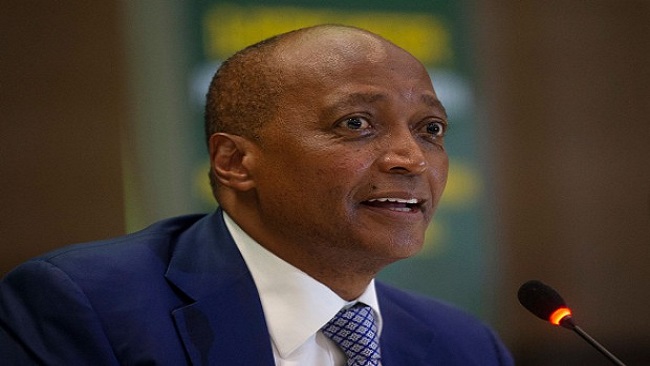 2025 Africa Cup of Nations: Patrice Motsepe should go and go now!
  Changes in the Senate and National Assembly: who becomes next head of state?
 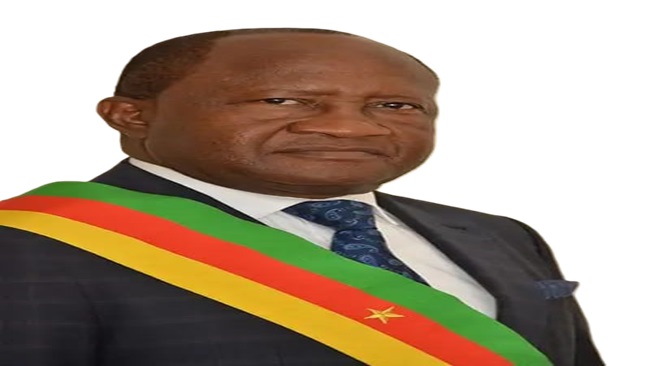 Yaoundé: Hon. Theodore Datoua is new Speaker of the National Assembly
  Ambazonia Interim Gov’t reacts to Pope Leo’s visit
Most Commented Posts
 4 Anglophone detainees killed in Yaounde
18 comments Chantal Biya says she will return to Cameroon if General Ivo Yenwo, Martin Belinga Eboutou and Ferdinand Ngoh Ngoh are sacked
13 comments The Anglophone Problem – When Facts don’t Lie
12 comments Anglophone Nationalism: Barrister Eyambe says “hidden plans are at work”
12 comments Largest wave of arrest by BIR in Bamenda
10 comments
Featured
-
Senegal’s President to visit Spain, migration among key issues
-
Iran will obliterate energy infrastructure in region if its power plants attacked
-

Football: Arsenal is keen to sign Cameroonian teenager
-
Iran says 55 enemy targets go up in smoke as it unleashes 70th wave of Op. True Promise 4
-
CPDM Crime Syndicate: regime delays parliamentary elections, lawmakers to stay until end 2026
-

Iran debuts multi-warhead ‘Nasrallah’ missile to strike Israel’s oil refineries
-

Smarter Water Use Could Feed 10 Billion and Create Nearly 250 Million Jobs
23, March 2018
EU recalls envoy to Moscow, member states expelling Russian diplomats 0
The EU recalls its envoy to Russia over a nerve agent attack on British soil as several members of the bloc consider expelling Russian diplomats.
EU leaders issued a statement in Brussels Thursday, saying it is “highly likely Russia is responsible” for poisoning Soviet-era spy Sergei Skripal and his daughter, Yulia, in a British town earlier this month.
The Skripals were found unconscious on March 4 on a bench in the British city of Salisbury. They remain hospitalized in critical condition.
Britain claims the Soviet-designed Novichok nerve agent has been used to poison the pair and points the finger at Russia.
Moscow has rejected the claims as “absurd”, saying the substance used in the attack could have originated from the countries studying it, including the UK itself.
Dutch Prime Minister Mark Rutte said the EU leaders at the Brussels summit on Thursday agreed to recall the European Union’s ambassador to Moscow for consultations.
British media reports identified those countries as France and Russia’s closest European neighbors, including Estonia, Lithuania, Latvia and Poland.
The poisoning incident has worsened already tense ties between the EU and Russia.
Britain expelled 23 Russian diplomats in the aftermath of the poisoning incident, and has been pressing its European allies to follow suit.
Lithuania’s President Dalia Grybauskaite said, “All of us we are considering such measures.”
British Prime Minister Theresa May told EU leaders that the poisoning case is part of a “pattern of Russian aggression,” warning that Moscow would pose a “threat” for the “years to come.”
Separately, she held talks in Brussels with French President Emanuel Macron and German Chancellor Angela Merkel, who also urged a “strong European message” to Moscow.
In accusing Russia, the UK however has not presented any evidence. Earlier this week, experts of the Organization for the Prohibition of Chemical Weapons (OPCW) arrived in the UK for a probe into the attack. They say it could take up to three weeks to analyze the samples gathered from the scene.
History shows that British statements must be verified,” he added, urging a “full transparency of the investigation” as well as cooperation with Moscow and the OPCW experts.
Moscow has repeatedly called on London not jump to conclusions, offering cooperation with London in probing the case.
Russia responded to the UK’s expulsions by expelling exactly the same number of British diplomats, and has vowed it would hit back if London fails to stop its anti-Moscow measures.
Source: Presstv