Featured
 World Bank Group statement on the conflict in the Middle East
  Anglophone Vice President: a deeply counterproductive idea
  Ambazonia Crisis: latest on Sisiku Ayuk Tabe’s arrest, trial and conviction
 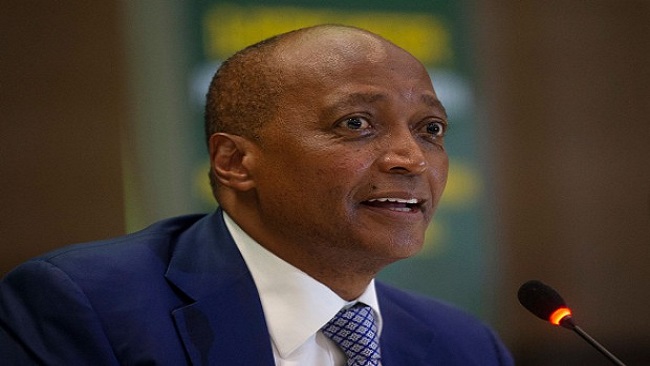 2025 Africa Cup of Nations: Patrice Motsepe should go and go now!
 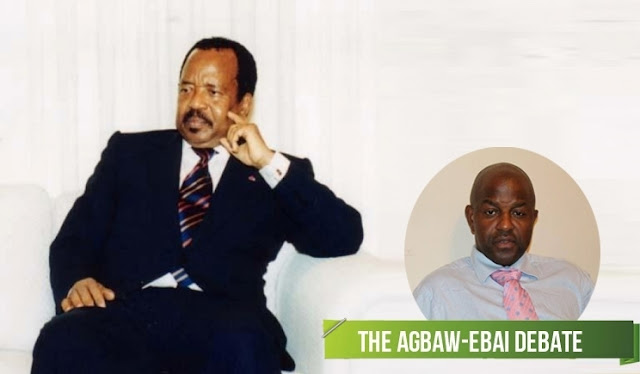 Changes in the Senate and National Assembly: who becomes next head of state?
Most Commented Posts
 4 Anglophone detainees killed in Yaounde
18 comments Chantal Biya says she will return to Cameroon if General Ivo Yenwo, Martin Belinga Eboutou and Ferdinand Ngoh Ngoh are sacked
13 comments The Anglophone Problem – When Facts don’t Lie
12 comments Anglophone Nationalism: Barrister Eyambe says “hidden plans are at work”
12 comments Largest wave of arrest by BIR in Bamenda
10 comments
Featured
-
Yaoundé eyes wind energy partnership with Canada to diversify power mix
-
Biya regime advances talks with South Korea on Yaoundé emergency care project
-
Bamenda Airport passes test flight ahead of Papal Visit
-
Archbishop of Canterbury to visit Cameroon and Ghana
-

Arab states hosting US bases forfeit sovereignty, can’t challenge Iran’s self-defense
-
Iran weighing withdrawal from NPT after US-Israel attacks on nuclear sites
-
Etoudi fast-tracks urban upgrades as WTO Summit opens, Papal visit looms
22, December 2025
Southern Cameroons UN Situation Report 0
The security situation in the North-West and South-West (NWSW) regions remained highly fragile, characterized by persistent clashes between non-State armed groups (NSAGs) and State security forces (SSF). The context was marked by widespread violence, including kidnappings for ransom, loss of life from stray bullets, targeted killings, arbitrary arrests, and the use of improvised explosive devices (IEDs). Six men and two women were kidnapped in Ako sub-division, NW region, and three men were kidnapped in Mbonge sub-division, SW region. All these kidnappings are based on allegations of people attempting to attend election campaign events.
A prolonged lockdown imposed by NSAGs from 8 September to 14 October in the NWSW regions disrupted school resumption and interfered with activities related to the presidential election. Throughout the lockdown period, civilians not only faced severe restrictions on their freedom of movement but were also exposed to protection risks and multiple forms of violence like kidnapping, threats, and mass arrests. The lockdown further compounded the situation by disrupting humanitarian operations, delaying the delivery of critical services, and significantly limiting access to vulnerable communities. Partners were compelled to suspend or adjust field operations due to insecurity and movement restrictions. Some adopted remote working modalities while others leveraged weekends to deliver life-saving assistance in hard-to-reach areas, when NSAGs temporarily lifted restrictions to allow civilians to restock essential supplies. This helped to reach over 36,000 people with multi-sectoral assistance, including food, health, nutrition education, WASH, and protection services.
Natural disasters, particularly floods, and ongoing violence have led to multiple population displacements. Over 1,419 people (313 households) have fled to nearby bushes, villages, and towns from Konye sub-division in the South-West region, as well as the Menchum Valley and Widikum sub-divisions in the North-West region. Additionally, pendular displacement has been observed in Mezam division (Bamenda II sub-division, NW). These movements left affected populations highly vulnerable and exposed to protection risks, as they repeatedly move between their homes and safer locations. Many displaced persons, especially victims of natural disasters, remain without shelter and live in precarious conditions.
Source: reliefweb