Featured
 Pope Leo XIV in Cameroon-The “Ambazonia crisis” in Southern Cameroons
 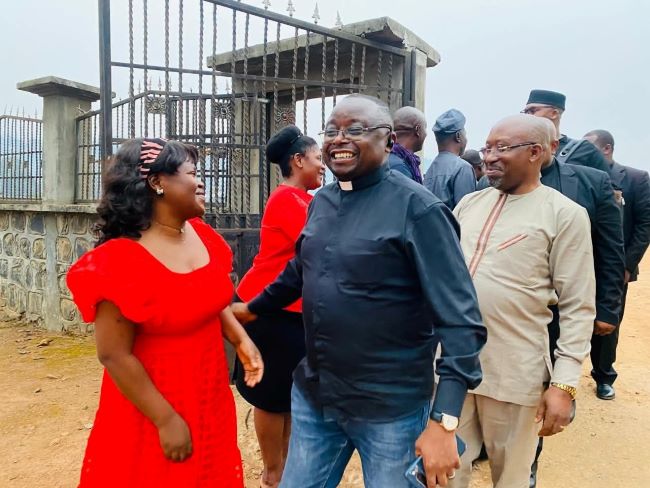 New Testament pastors in the Presbyterian Church in Cameroon
  World Bank Group statement on the conflict in the Middle East
  Anglophone Vice President: a deeply counterproductive idea
  Ambazonia Crisis: latest on Sisiku Ayuk Tabe’s arrest, trial and conviction
Most Commented Posts
 4 Anglophone detainees killed in Yaounde
18 comments Chantal Biya says she will return to Cameroon if General Ivo Yenwo, Martin Belinga Eboutou and Ferdinand Ngoh Ngoh are sacked
13 comments The Anglophone Problem – When Facts don’t Lie
12 comments Anglophone Nationalism: Barrister Eyambe says “hidden plans are at work”
12 comments Largest wave of arrest by BIR in Bamenda
10 comments
Featured
-

Etoudi plans constitutional reform to create vice president role
-
Russia conducts massive rolling aerial attacks on Ukraine
-
Cameroon, Switzerland sign MoU positioning Obala Institute as Central Africa Agri-Research Hub
-

Iran’s military vows to continue war until US, Israel ‘regret’ aggression
-

Cameroon Football: Ebwelle Bertin takes charge to revive Panthère du Ndé
-

Pope Leo XIV in Cameroon-The “Ambazonia crisis” in Southern Cameroons
-

New Testament pastors in the Presbyterian Church in Cameroon
28, January 2018
Arrest of Sisiku Ayuk Tabe made armed resistance against La Republique more popular 0
A survey carried out by Cameroon Concord News Group shows that Southern Cameroonians now favour armed struggle against Cameroon government forces more than they did before the arrest of the President of the Federal Republic of Ambazonia Sisiku Ayuk Tabe and 10 of his top aides in Abuja, Nigeria.
The survey’s results are a reflection of the opinions of Southern Cameroonian in the Meme, Menchum, Manyu, Fako, Bui and Mezam States as well as Ambazonians living in French Cameroun precisely in Yaoundé and Douala.
The study was conducted soon after the Nigerian Foreign Minister announced that the President Buhari administration had arrested the Ambazonian Interim Head of State following an operation staged by the DSS in Abuja.
According to Southern Cameroonians who participated in the poll, 76.5 percent picked the armed confrontation option, and only 10.2 percent chose the dialogue option. The same study found that support for the Southern Cameroons uprising is growing deep within Anglophone militants of the ruling CPDM.
The entire Southern Cameroons territory is currently under the control of the Francophone dominated armed forces, while the Biya regime is claiming to have initiated dialogue with English speaking Cameroonians.
The arrest of the Ambazonian leaders in Abuja sparked angry and, on occasions, deadly attacks against French Cameroun forceS.
By Rita Akana in Yaoundé