Featured
 Unity Palace needs a new idea and a new head of state
 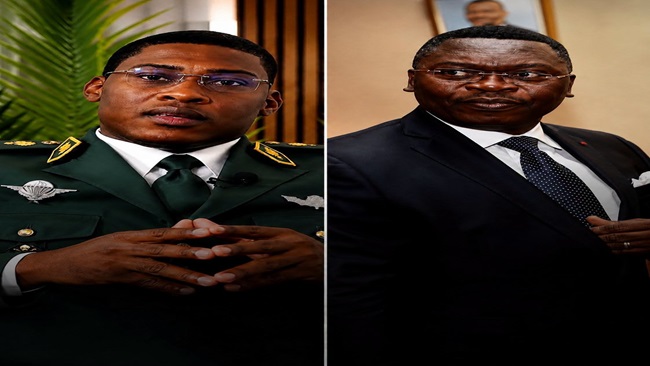 Martinez Zogo Affair: Biya must clean house and make way for a new generation
 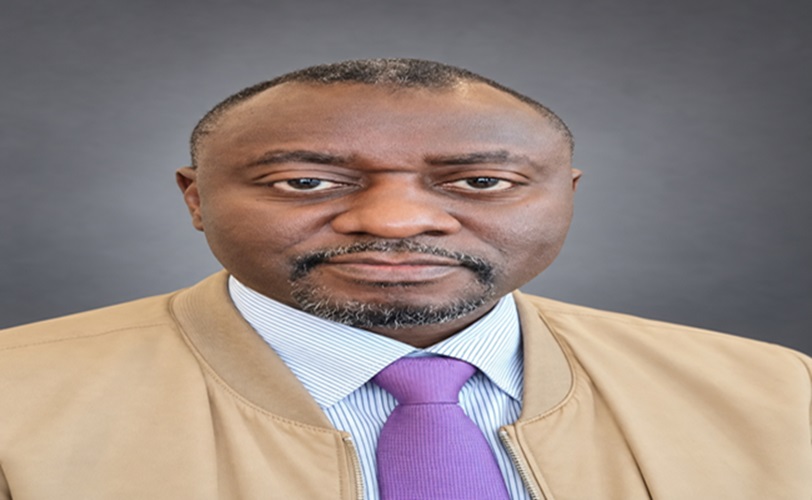 Ambazonia People’s Liberation Authority explains motives for the new transition
  A year after Biya’s disputed re-election, CPDM remains without a timetable for next year’s polls.
 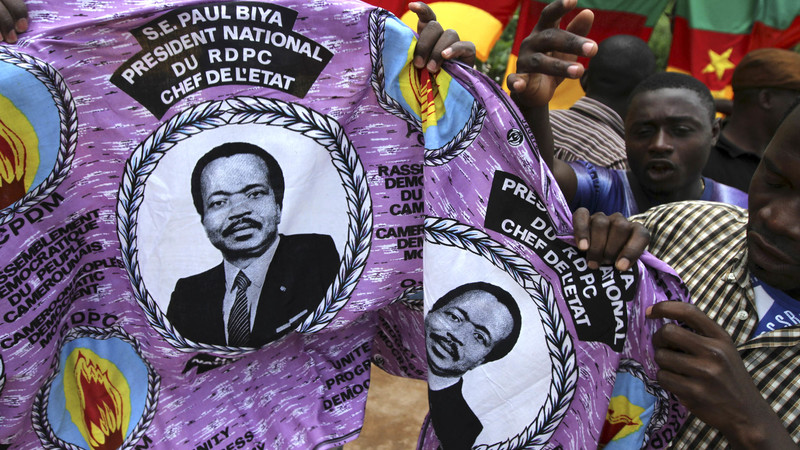 Ruling CPDM Party: When a political message runs out of the road
Most Commented Posts
 4 Anglophone detainees killed in Yaounde
18 comments Chantal Biya says she will return to Cameroon if General Ivo Yenwo, Martin Belinga Eboutou and Ferdinand Ngoh Ngoh are sacked
13 comments The Anglophone Problem – When Facts don’t Lie
12 comments Anglophone Nationalism: Barrister Eyambe says “hidden plans are at work”
12 comments Largest wave of arrest by BIR in Bamenda
10 comments
Featured
-

Harry Kane ends England’s 25-year Ballon d’Or drought
-

Cameroon’s sports betting tax revenue remains unclear
-

Revealed: 2 Franklin Templeton Funds hold CFAF 2 billion in Cameroon bonds
-

Brazil’s Lula beats odds and seals re-election, rival Bolsonaro demands annulment
-
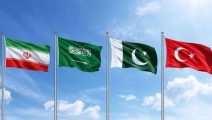
Top officials from Saudi Arabia, Pakistan, Turkey due in Iran for security talks
-

Unity Palace needs a new idea and a new head of state
-

Trump says US may launch ‘another little Epic Fury’ attack on Iran
29, June 2026
Biya regime begins implementation of €184.9m SEWASH Water Project 0
Cameroon has formally launched the operational phase of the Water Security Project (SEWASH), a €184.9 million program designed to strengthen water security, expand access to drinking water and improve sanitation services across several regions of the country.
The launch was marked by the first Steering Committee meeting of the project, chaired on Monday, June 29, 2026, in Yaounde by the Minister of Water and Energy, Gaston Eloundou Essomba. According to information released by the Ministry of Water and Energy, the meeting brought together senior officials from the ministry, the General Manager of CAMWATER, Dr. Blaise Moussa, representatives of the World Bank, government administrations and technical partners involved in the program’s implementation.
The project, financed through World Bank funding under IDA Credit No. 7785-CM, represents one of the largest recent investments in Cameroon’s water and sanitation sector. Scheduled to run from 2025 to 2030 during its first phase, SEWASH aims to strengthen institutional capacity, promote integrated water resources management and improve sustainable access to drinking water and sanitation services. The program is expected to support infrastructure development while establishing planning and governance mechanisms intended to guide future investments in the sector.
Infrastructure Program targets rural service expansion
During the meeting, members of the Steering Committee reviewed and validated key implementation instruments, including the Annual Work Plan and Budget and the Procurement Plan. These documents outline priority activities, resource allocation and implementation timelines for the project’s various components.
Project coordinators from the Ministry of Water and Energy and CAMWATER presented the project framework, intervention areas, institutional arrangements and progress achieved since the beginning of the first phase. They also outlined implementation challenges and priorities for the coming months.
A significant share of the investment will be directed towards water infrastructure in the Adamawa, North and Far North regions. The project plans to construct 103 mini drinking-water supply systems powered by solar pumping technology. The facilities will include productive boreholes, water towers, distribution networks, public standpipes and connections serving community infrastructure.
The program also provides for the construction of 2,900 ecological institutional latrines in schools, health centers, markets, churches and mosques. According to the ministry, these facilities are intended to improve sanitation coverage and strengthen public hygiene conditions in beneficiary communities.
Beyond physical infrastructure, SEWASH includes a series of strategic studies aimed at guiding future sector investments. These include the preparation of a Rural Drinking Water Supply Master Plan, a Liquid Sanitation Master Plan, studies for fecal sludge treatment facilities in northern regions and additional assessments linked to hillside dams intended to improve water resource mobilization.
The Ministry of Water and Energy stated that the project is expected to contribute to stronger sector governance, enhanced climate resilience and reduced incidence of water-related diseases. The program also supports Cameroon’s efforts towards achieving Sustainable Development Goal 6 on universal access to safe water and sanitation.
Closing the Steering Committee session, Minister Gaston Eloundou Essomba called for effective coordination among stakeholders, adherence to implementation schedules and transparent management of project resources. According to the ministry, he stressed that the success of the program would depend on collective mobilization and efficient execution to ensure that communities benefit from the planned investments as quickly as possible.
Source: Business in Cameroon