
6, November 2019
Cameroon Music Makers Edged Aside by Nigerians 0
Musicians in Cameroon are having a hard time making sales and getting airplay — blaming the popularity of Nigerian music. They say night clubs and media are promoting Nigerian songs over the local product. But the clubs say they are only responding to people’s requests.
This song “One Ticket” by Nigerian pop stars Kizz Daniel and Davido is blasting through loud speakers in Safari, a night Club in Cameroon’s capital city Yaounde.
DJ Emmanuella Tangdeng said they select their music from requests made by the audience. This Saturday night, 80 percent of the music on their lineup is of Nigerian origin.
“Ada who sang only you Jesus, Mercy Chinwo who sang excess love. Steve Crown you are great, David G my trust is in you, P Square, Flavour, Davido,” said the DJ.
Cameroon Music Corporation, which protects the interests of Cameroonian artists, reports that in 2018, foreign music — especially from Nigeria — dominated records played in night clubs, radio and TV stations. More than one million of the three million CDs sold in Cameroon were of Nigerian music.
Musicologist Theodore Mboua said Cameroonians fall in love with Nigerian music not only because of the proximity of the two countries, but also because of the messages of hope, especially for the unemployed, and poor youths that are prevalent in Nigerian music
“The message, most of them talk about marriage, talk about getting rich and that is of course is what people want to hear so it translates in the music. Then religious messages have an impact on peoples lives and so most of that is passed on by religious music of course from Nigeria,” said Mboua.
But Cameroon musician Afo-Akom, a promoter of the Njang music from the English-speaking North West Region, blames media houses and night club animators for the unpopularity of Cameroon music.
“Those who are animating on several programs play nothing but foreign music. The music becomes popular. When some of us go to these radios, they play it [our music] one time, two times. That is what has been killing us, not that we do not play good music in Cameroon. The radio takes all the time to play Nigerian music from morning till night.”
Afo-Akom said the government of Cameroon should reinforce laws that require 70 percent of music played by media houses to be of local artists — and suspend or fine those who violate the regulations.
Source: VOA

















19, November 2019
Revisiting the 2019 SOBA UK Residential Convention at The Five Lakes Resort, Colchester 0
Dear Guest,
Thank you!
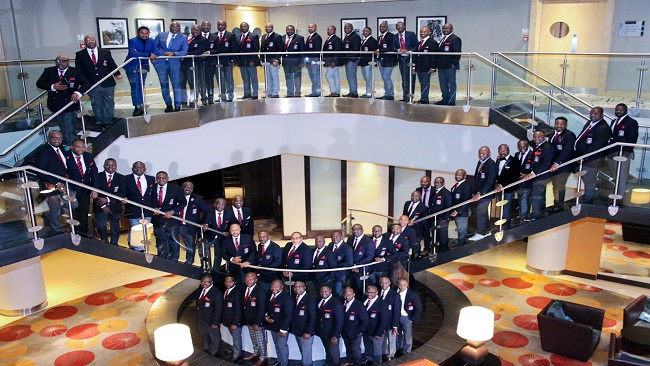
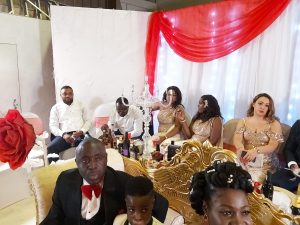
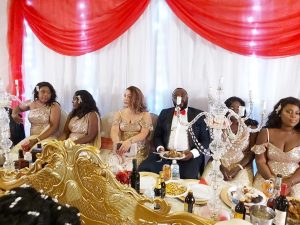
We trust that you must have settled into your usual routine after the fantastic time at The Five Lakes Resort, Colchester on 2nd and 3rd November 2019 with SOBA UK. We want to say a massive “Thank you” for your continuous support for our association, and especially under our theme of “Working For A Brighter Future”.
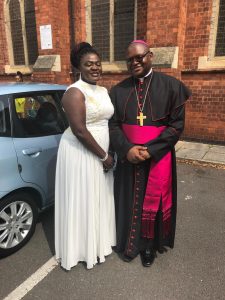
This year SOBA UK provided the platform for the community to raise funds to support the victims of the crisis in the Northwest and Southwest regions of Cameroon, through the endeavours of the Bishop of Kumbo and the Bishop of Mamfe once again. We are using this opportunity to thank you again for supporting this initiative and we will report back next year.
We thank the representatives from other Cameroonian alumni and community groups, and our sponsors – SellamQuick, XCape and Vic’s Kitchen for their support in the UK.
Please be on the lookout for announcements from the SOBA UK Secretariat on our future events. Our next event is “Celebrating the Saint Joseph’s Feast Day on Saturday 21st March 2020”. In the summer of 2020, we will be exploring an opportunity to bring you a special event as a first for SOBA UK. We will also share the official pictures and video of this year’s convention event in the coming days.
We continue to strive to do better every year, therefore, any feedback about your experience will help us to deliver better events in the future.
We wish you good fortunes, a happy festive season over Christmas and we look forward to seeing you again in 2020.
Kind regards,
Franklin Egbe
President, SOBA UK
On Behalf of the Events Management team