2, October 2018
UN expert calls for an independent investigation into Southern Cameroons war crimes 0
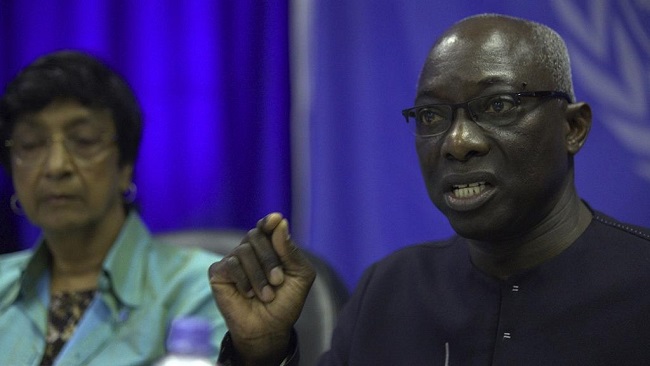
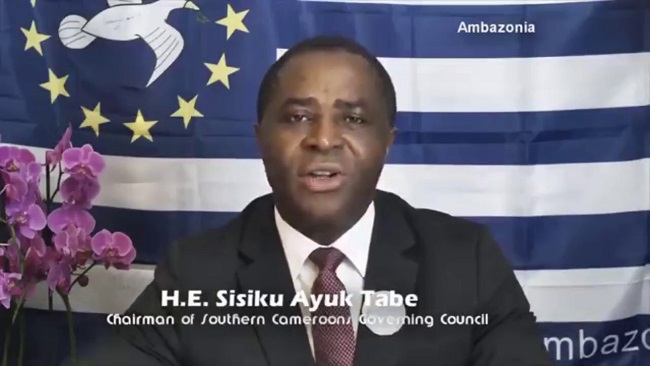
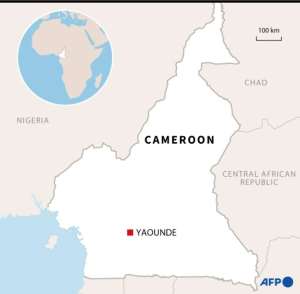
The United Nations special adviser on prevention of genocide, Adama Dieng has called for an independent investigation into what he described as ‘concerning atrocities’ in Cameroon. Speaking to the BBC on the eve of the symbolic declaration by separatists in the English speaking regions called Ambazonia Republic.
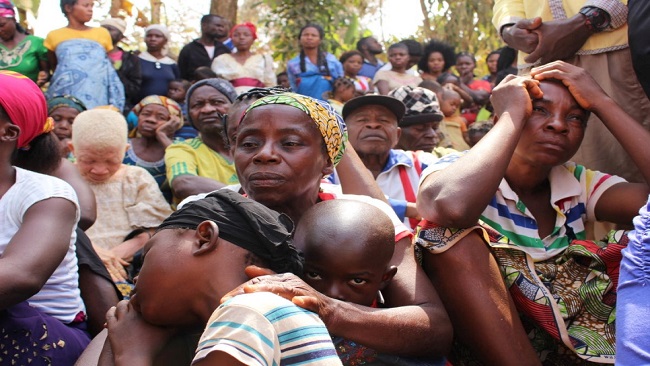
Over the past year, clashes between government security forces and separatist forces have intensified, leading to heavy losses of life on both sides and causing mass displacement of people. “The crimes committed by both parties need to be properly and independently investigated and perpetrators of those crimes need to be brought urgently to justice so that people know that no-one is above the law,’‘ Dieng said.
While majority of Cameroon’s 23 million people are French-speaking, about a fifth of the population is English-speaking. The Anglophone minority has long complained about marginalisation which led to protests by teachers and lawyers over a period of time.
Dieng said while there has been few incidents of election violence in the build up to the October 7 presidential election, there are still many ‘atrocious crimes being committed’ because of the Anglophone crisis.
“My worry is that we still have many people being killed, so far more than 400 people. We need to have political dialogue but also demand for justice,” Dieng told BBC.
“It is true that one could not exclude some form of violence [around the polls] but for the time being things seem to be under control,” Dieng said.
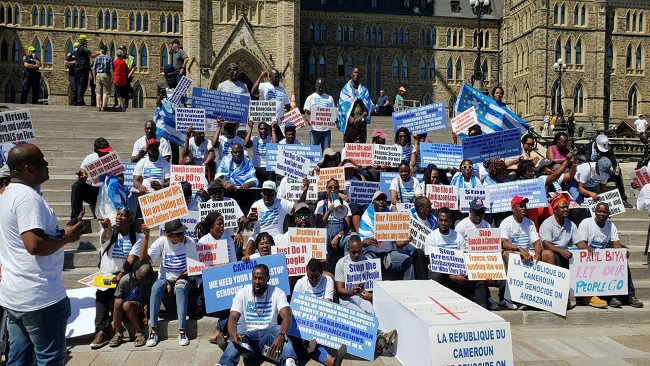
The separatists have vowed to prevent elections from being conducted in the English speaking North-West and South-West regions.
Source: Africa News



















2, October 2018
British Prime Minister says “No special treatment for EU workers after Brexit” 0
Britain will end preferential access for European Union workers after Brexit, Prime Minister Theresa May announced on Tuesday, saying she wanted to attract high-skilled immigrants wherever they were from.
In an announcement at her Conservative party conference, May said she would publish plans for a single system for EU and non-EU countries later this year, ahead of a bill to be published in 2019.
Immigration was a key issue in the Brexit campaign ahead of the 2016 vote to leave the bloc. May said the EU’s free movement of people will end with Brexit and “for the first time in decades, it will be this country that controls and chooses who we want to come here”.
“It will be a skills-based system where it is workers’ skills that matter, not where they come from,” she said in a statement. “It will be a system that looks across the globe and attracts the people with the skills we need.”
She added: “For too long people have felt they have been ignored on immigration and that politicians have not taken their concerns seriously enough.
“The new skills-based system will make sure low skilled immigration is brought down and set the UK on the path to reduce immigration to sustainable levels, as we promised. “At the same time we are training up British people for the skilled jobs of the future.”
The announcement follows a government-commissioned report that last month recommended a level playing field for people coming from overseas but restrictions on low-skilled workers.
May said that those wanting to live and work in Britain for the long term would need to earn a minimum salary, and would only be able to bring their family if sponsored by their future employers.
However, she conceded that immigration policy could be affected by Britain’s future trade deals. The EU may seek to negotiate continued preferential treatment in return for Britain’s access to its single market, while other countries could also seek visa waivers as part of their own trade agreements.
“The ability of people from trading partners to deliver services and student exchange programmes will form part of future trade agreements,” the prime minister said. The government has already promised to protect the rights of more than three million EU citizens currently living in Britain after Brexit, even if there is no divorce deal.
(AFP)