Featured
 World Bank Group statement on the conflict in the Middle East
  Anglophone Vice President: a deeply counterproductive idea
  Ambazonia Crisis: latest on Sisiku Ayuk Tabe’s arrest, trial and conviction
 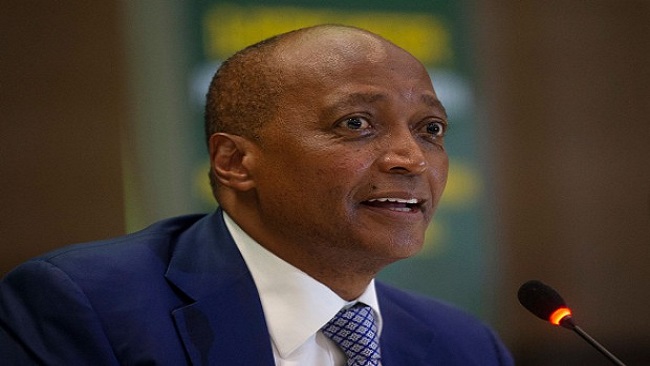 2025 Africa Cup of Nations: Patrice Motsepe should go and go now!
 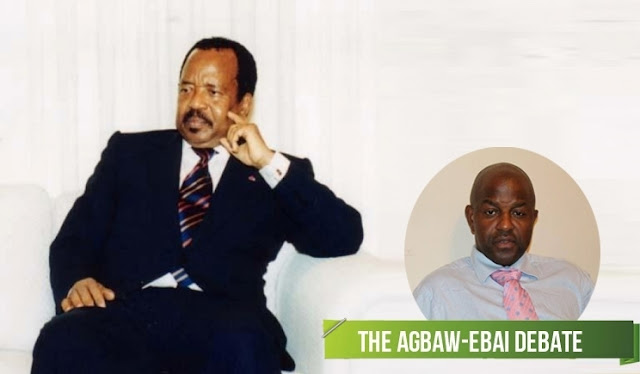 Changes in the Senate and National Assembly: who becomes next head of state?
Most Commented Posts
 4 Anglophone detainees killed in Yaounde
18 comments Chantal Biya says she will return to Cameroon if General Ivo Yenwo, Martin Belinga Eboutou and Ferdinand Ngoh Ngoh are sacked
13 comments The Anglophone Problem – When Facts don’t Lie
12 comments Anglophone Nationalism: Barrister Eyambe says “hidden plans are at work”
12 comments Largest wave of arrest by BIR in Bamenda
10 comments
Featured
-
13 Cameroonians selected for the 2026 cohort of Tony Elumelu Foundation Program
-

Iran says American military structure in West Asia has ‘collapsed’
-
Yaoundé: Trade ministers gather for make-or-break WTO reform talks
-
Cameroonian, Chinese FMs exchange congratulations on 55th anniversary of ties
-

World Bank Group statement on the conflict in the Middle East
-

Anglophone Vice President: a deeply counterproductive idea
-
Netanyahu’s spokesperson resigns after leaked audio reveals scathing criticism
20, March 2018
French Cameroun: Ex-minister reportedly goes missing 0
Basile Atangana Kouna, former minister of Water and Energy sacked from the government on March 2, has not been seen at his home ever since the Yaoundé regime issued an order preventing him from leaving the country. The former baron of the ruling CPDM crime syndicate was expected at the Yaoundé Special Criminal Court yesterday, as part of an anti corruption operation launched by the regime.
Basile Atangana Kouna did not appear before the investigators and Cameroon Intelligence Report understands none of the judges at the so-called Special Criminal Court has communicated on the file. Strong rumors of his arrest in Kribi in the South region circulated recently with some insinuating that the former minister had attempted to escape to neighboring Equatorial Guinea by sea, before being arrested. The rumor was quickly denied by close aides.
There has been conflicting reports on former minister Basile Kouna in many French Cameroun newspapers. Some noted that he left French Cameroun territory a day after he was dropped from the cabinet and he is presently out of the CEMAC region en route to Canada. While others have reported that he attempted suicide.
Pretending to fight corruption and establishing the so-called Special Criminal Court was President Biya’s way of saving himself the embarrassment of being humiliated during his perennial trips abroad as the President of the most corrupt country in the world. This ranking of the country as the most corrupt or one of the most corrupt countries had a potential to hamper President Biya’s personal pecuniary interests far from the borders of Cameroon. There was therefore a personal interest need to establish the court. Another personal interest need was to avail himself of a legal tool under his direct control to consolidate absolute power, blackmail potential rebels and competitors within the system and to stifle any form of institutional opposition. Biya has eventually perceived the anti corruption drive as a tool with which to whitewash his more than thirty years of corrupt governance and the rape of the economy.
By Sama Ernest