Featured
 Ambazonia Crisis: latest on Sisiku Ayuk Tabe’s arrest, trial and conviction
  2025 Africa Cup of Nations: Patrice Motsepe should go and go now!
  Changes in the Senate and National Assembly: who becomes next head of state?
 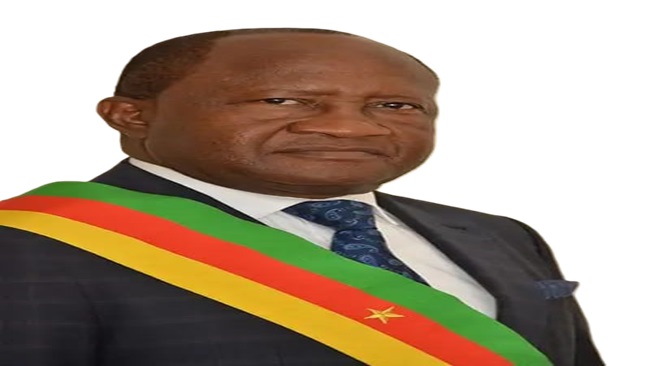 Yaoundé: Hon. Theodore Datoua is new Speaker of the National Assembly
  Ambazonia Interim Gov’t reacts to Pope Leo’s visit
Most Commented Posts
 4 Anglophone detainees killed in Yaounde
18 comments Chantal Biya says she will return to Cameroon if General Ivo Yenwo, Martin Belinga Eboutou and Ferdinand Ngoh Ngoh are sacked
13 comments The Anglophone Problem – When Facts don’t Lie
12 comments Anglophone Nationalism: Barrister Eyambe says “hidden plans are at work”
12 comments Largest wave of arrest by BIR in Bamenda
10 comments
Featured
-

Ambazonia Crisis: latest on Sisiku Ayuk Tabe’s arrest, trial and conviction
-

No tickets will be sold for Pope Leo XIV’s masses in Cameroon
-

President Putin condoles with Iran’s Leader over Dr. Larijani’s martyrdom
-

2025 Africa Cup of Nations: Patrice Motsepe should go and go now!
-

Changes in the Senate and National Assembly: who becomes next head of state?
-

Mafia: Morocco awarded Afcon title after CAF overturns result
-

Yaoundé: Customs launches mobile device duty system to recover lost revenue
14, December 2021
New Sultan of Foumban rejects marriage to 14-year old virgin, says she is still a minor, offers to take her to school 0
The new Sultan of Bamoun in Cameroon, HRH Nabil Mbombo Njoya, has declined offers of a 14-year-old virgin in marriage as tradition demands.
According to tradition, the wife of a new Sultan must come from the Njim Monchouh family to terminate traditional rites known as “Lah-Kam”.
However, Sultan Njoya refused the 14-year-old girl offered by the family because she is a minor and opted to marry his long time girlfriend instead.
He has however promised to send the girl to school and make sure she completes university and pursue any career of her choice.
Child marriage has been going on in different African countries for years. Despite this legal framework, the prevalence of child marriage in Ghana remains high, and one in five girls marries before her 18th birthday (20.7%) and one in 20 girls (4.9%) marries before her 15th birthday.
Although child marriage can occur among males as well, the prevalence is much lower: only 2.3% of men aged 20 to 24 years are married by age 18 in Ghana. The highest prevalence of child marriage in Ghana occurs in the three Northern regions, where more than one in three girls marry before age 18. In addition, the child marriage rate is higher in rural areas, among the poorest population and among uneducated women. The aggregate rate of marriage before age 18 has been decreasing from 35% in the 1990s to 28% in 2003 and 25% in 2008, but remained stable between 2011 and 2014. However, data from the latest two nationally representative surveys shows that the rate of child marriage increased in the three Northern regions (from 26.4% in 2011 to 33.6% in 2014) and decreased in the other regions (from 20.9 to 18.5% and from 19.2 to 18.5% in the Central and Southern regions respectively), increasing disparities between the North and the rest of the country.
Several human rights activists and stakeholders have been working hard to abolish the child-marriage tradition and allow the kids to go to school until they are ready to marry.
Source: ghbase.com