Featured
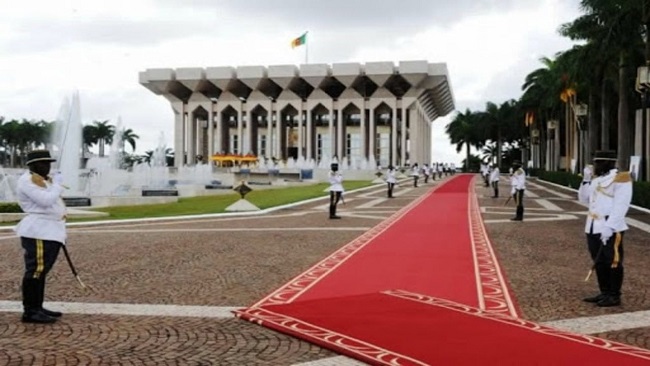 Unity Palace needs a new idea and a new head of state
 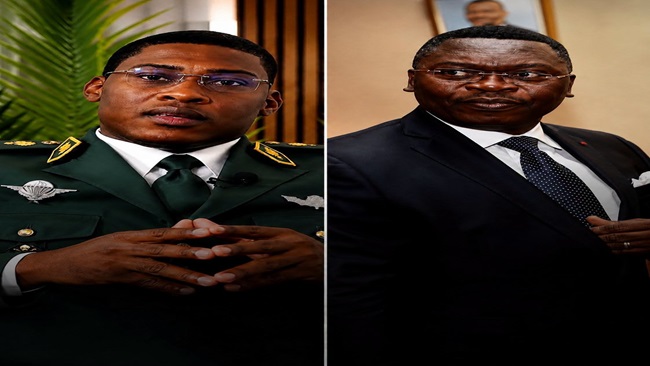 Martinez Zogo Affair: Biya must clean house and make way for a new generation
  Ambazonia People’s Liberation Authority explains motives for the new transition
  A year after Biya’s disputed re-election, CPDM remains without a timetable for next year’s polls.
 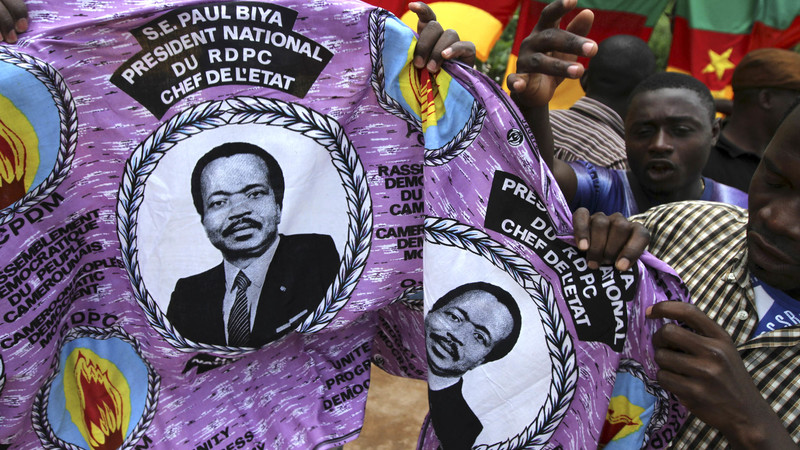 Ruling CPDM Party: When a political message runs out of the road
Most Commented Posts
 4 Anglophone detainees killed in Yaounde
18 comments Chantal Biya says she will return to Cameroon if General Ivo Yenwo, Martin Belinga Eboutou and Ferdinand Ngoh Ngoh are sacked
13 comments The Anglophone Problem – When Facts don’t Lie
12 comments Anglophone Nationalism: Barrister Eyambe says “hidden plans are at work”
12 comments Largest wave of arrest by BIR in Bamenda
10 comments
Featured
-

Unity Palace needs a new idea and a new head of state
-

Trump says US may launch ‘another little Epic Fury’ attack on Iran
-

Formula 1: Hamilton sets sights on racing in African grand prix
-
Yaoundé: anti-corruption agency calls for stronger powers after 20 years of limited progress
-

Martinez Zogo Affair: Biya must clean house and make way for a new generation
-

Biya’s health crisis is starting to alarm investors
-

Cameroon’s Eurobond yields hit record high after Fitch downgrade
15, December 2025
2025 is the year when Biya’s long rule finally lost its last convincing justification 0
By any reasonable measure, 2025 stands out as the bleakest year of President Paul Biya’s long tenure. After decades in office, the familiar arguments of stability and experience no longer convince a population grappling with deepening hardship, political fatigue, and a growing sense that the country is simply treading water while the rest of the world moves on.
Economically, the social contract has frayed. Rising living costs, stubborn youth unemployment, and declining purchasing power have turned everyday survival into a political issue. For many Cameroonians, the promise that patience would one day yield prosperity has worn thin. What makes 2025 particularly damning is not just the persistence of these problems, but the absence of a credible, energizing response from the presidency. The state appears reactive rather than visionary, content to manage decline instead of charting renewal.
Politically, 2025 has exposed the limits of a system built around one man. Institutions feel weak, public trust is eroded, and the distance between rulers and ruled has widened. Calls for reform—electoral, constitutional, and administrative—are louder and more mainstream than ever. Yet the government’s answers have been predictable: cautious statements, cosmetic adjustments, and a reliance on security-first thinking. This has only reinforced the perception of a leadership out of ideas.
Social cohesion has also suffered. Long-running crises, particularly in marginalized regions, continue without durable solutions. Dialogue feels episodic, not sincere; peace feels managed, not built. In 2025, the cost of this approach is more visible than ever: frustration has hardened into cynicism, and cynicism into disengagement. A country cannot thrive when large segments of its population feel unheard and unseen.
Perhaps most damaging is the symbolic weight of 2025. After more than four decades in power, President Biya now embodies continuity without progress. What once passed for experience now looks like inertia. The generational gap between the leadership and the majority of citizens has become impossible to ignore, and with it the sense that Cameroon’s future is being postponed indefinitely.
This is why 2025 feels different—and worse. It is not marked by a single catastrophic event, but by the accumulation of unresolved failures and missed opportunities. It is the year when endurance stopped being admirable and started looking like stubbornness. History may well record 2025 as the moment when President Biya’s long rule finally lost its last convincing justification.
By Rita Akana
Yaoundé Bureau Chief
Cameroon Concord News Group