Featured
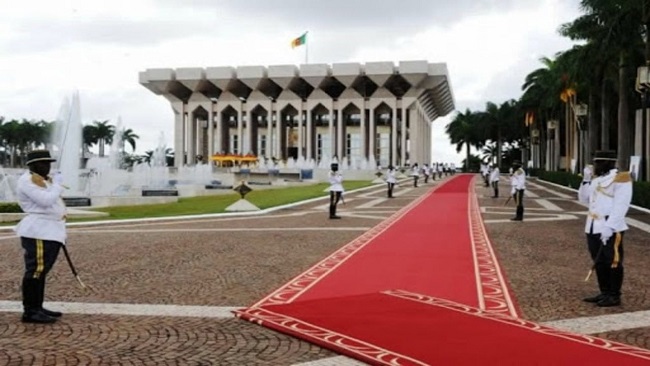 Unity Palace needs a new idea and a new head of state
 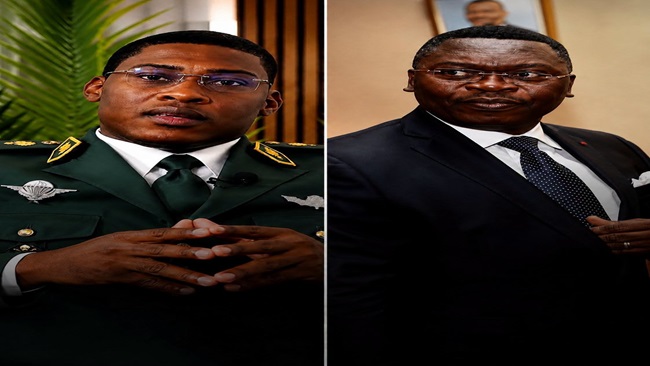 Martinez Zogo Affair: Biya must clean house and make way for a new generation
  Ambazonia People’s Liberation Authority explains motives for the new transition
  A year after Biya’s disputed re-election, CPDM remains without a timetable for next year’s polls.
 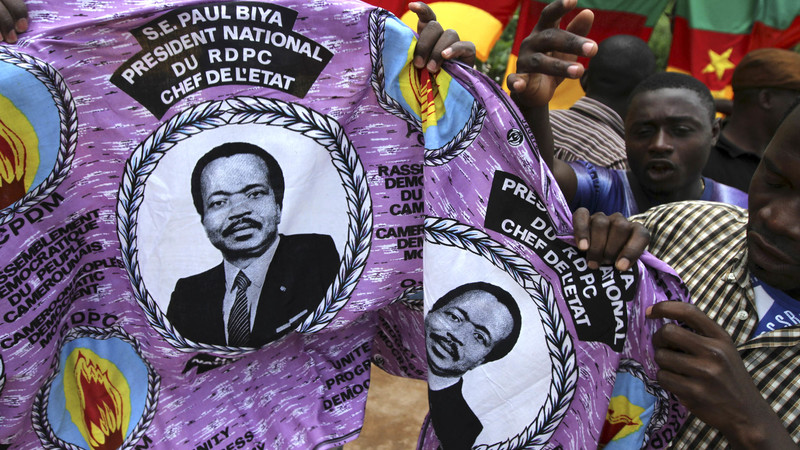 Ruling CPDM Party: When a political message runs out of the road
Most Commented Posts
 4 Anglophone detainees killed in Yaounde
18 comments Chantal Biya says she will return to Cameroon if General Ivo Yenwo, Martin Belinga Eboutou and Ferdinand Ngoh Ngoh are sacked
13 comments The Anglophone Problem – When Facts don’t Lie
12 comments Anglophone Nationalism: Barrister Eyambe says “hidden plans are at work”
12 comments Largest wave of arrest by BIR in Bamenda
10 comments
Featured
-

Harry Kane ends England’s 25-year Ballon d’Or drought
-

Cameroon’s sports betting tax revenue remains unclear
-

Revealed: 2 Franklin Templeton Funds hold CFAF 2 billion in Cameroon bonds
-

Brazil’s Lula beats odds and seals re-election, rival Bolsonaro demands annulment
-
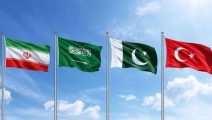
Top officials from Saudi Arabia, Pakistan, Turkey due in Iran for security talks
-

Unity Palace needs a new idea and a new head of state
-

Trump says US may launch ‘another little Epic Fury’ attack on Iran
22, December 2025
Southern Cameroons: Security situation worsening 0
by soter • Cameroon, Editorial, Headline News, News
Daily life in Southern Cameroons today is defined by fear. Killings, armed confrontations between Ambazonia Restoration Forces and Cameroon government troops, kidnappings, enforced civil disobedience campaigns and arson have shutdown and disrupted education, healthcare and local economies.
The Southern Cameroons educational sectors have been particularly affected, denying a generation of children their right to learning. Anglophone farmers are struggling to access their land amid worsening poverty and food insecurity. These realities underscore a grim truth: the people of Southern Cameroons are bearing the brunt of a conflict they did not choose.
The security situation in the two English speaking regions is deteriorating at catastrophic rapidity. Years after the Ambazonia crisis started, violence continues to escalate, civilian suffering is deepening, and prospects for a sustainable peace are slowly but surely vanishing. The Southern Cameroons resistance that was once framed as a temporary security challenge by the failed regime in Yaoundé has hardened into a protracted conflict with devastating human consequences.
Despite repeated assurances from the Biya Francophone Beti-Ewondo regime, the government’s security-heavy approach has failed to restore calm in Southern Cameroons. Militarization of the entire English speaking regions has not delivered peace; instead, it has intensified cycles of retaliation and mistrust. Allegations of abuses by all sides—combined with a lack of credible accountability—have further alienated communities and fueled resentment. When justice appears absent, violence finds fertile ground.
The Southern Cameroons situation is indeed a hydra headed one. While calls for genuine talks persist, meaningful engagement remains limited. Fragmentation among Southern Cameroons restoration groups and the actions of hardliners deep within the Francophone dominated political structure in Yaoundé have stalled progress. Yet history teaches us that conflicts rooted in governance, identity, and rights cannot be resolved by military power alone. Without a genuine political process that addresses long-standing grievances—language rights, local governance, and equitable development—the conflict will continue to metastasize.
The international community’s attention has waned, but the crisis has not. Humanitarian needs are rising as displacement grows and basic services collapse. Silence and fatigue are dangerous allies of prolonged conflict. Renewed diplomatic engagement, targeted humanitarian assistance, and support for mediation are urgently needed.
Southern Cameroons now stands at a crossroads. Continuing down the current path promises only more suffering and instability. A decisive shift toward dialogue, accountability, and inclusive reform is not a concession to violence—it is an investment in peace. The cost of delay is already painfully clear.
By Soter Tarh Agbaw-Ebai