Featured
 Biya has had his era; Cameroon must now be allowed to enter its next one
 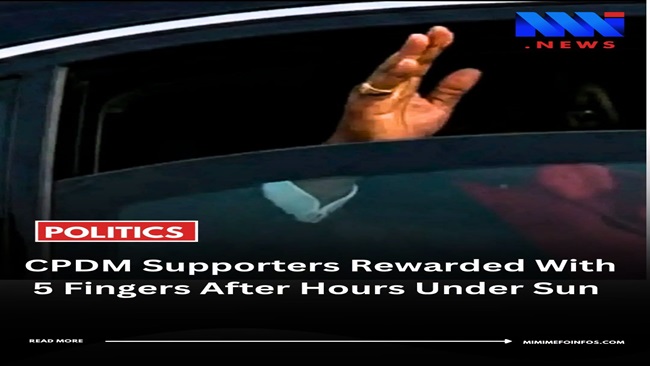 Biya’s hand: a source of glory and shame
  So, Cameroonians, what exactly do you want from President Biya?
 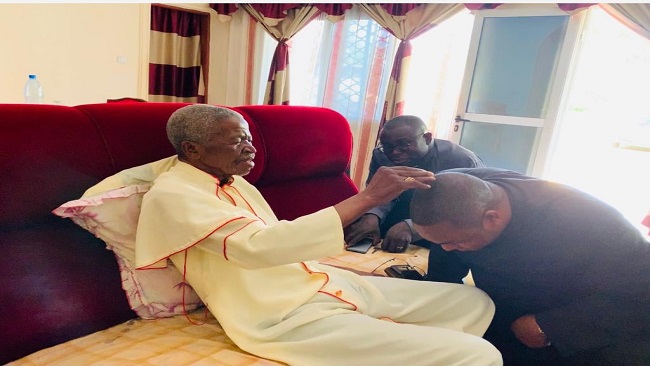 Benedictus Lysinge: Homily, Mass of the Bamenda Provincial Association of Diocesan Priests
 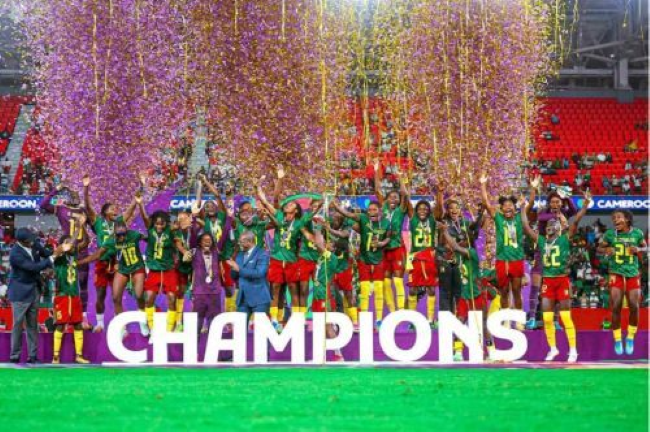 Samuel Eto’o, a champion’s answer to his critics
Most Commented Posts
 4 Anglophone detainees killed in Yaounde
18 comments Chantal Biya says she will return to Cameroon if General Ivo Yenwo, Martin Belinga Eboutou and Ferdinand Ngoh Ngoh are sacked
13 comments The Anglophone Problem – When Facts don’t Lie
12 comments Anglophone Nationalism: Barrister Eyambe says “hidden plans are at work”
12 comments Largest wave of arrest by BIR in Bamenda
10 comments
Featured
-

Trump administration to revoke up to 200,000 asylum visas
-
Biya has had his era; Cameroon must now be allowed to enter its next one
-
António Guterres says war on Iran exposes limits of superpowers
-

Littoral Region: 7 killed, 10 injured in bus-truck collision
-

Biya’s hand: a source of glory and shame
-
Iran urges UK, France to heed veteran diplomats’ warning on Israel
-
Hundreds of Ukrainian conscripts desert during military training in Germany
13, January 2017
Nigeria to offer asylum to Gambian President Yahya Jammeh 0
Nigerian lawmakers have voted to offer Gambian President Yahya Jammeh asylum if he hands over power to opposition leader Adama Barrow, who was declared the winner of the country’s December presidential election. The House of Representatives, Nigeria’s lower house, on Thursday approved a motion to authorize President Muhammadu Buhari to offer Jammeh asylum if he steps down when his five-year mandate ends on January 19.
Jammeh has a constitutional right to remain in office until his term ends. The Nigerian president is due to travel with other West African leaders to Gambia on Friday to persuade Jammeh to accept the election results. Jammeh had initially accepted the results of the December 1 election, in which Barrow was declared the winner, but reversed his position more than a week later and called for a revote. Barrow says Jammeh lacks the constitutional authority to call for a new vote or to invalidate the election.
Leaders from the Economic Community of West African States (ECOWAS) have already traveled to the Gambia in an attempt to strike a deal with the president to make him to leave power. ECOWAS has said that Jammeh must step down and vowed “to take all necessary action to enforce the results” of the election. Jammeh has, however, questioned the role of the regional body as a genuine mediator. In New Year’s speech broadcast on state TV, the Gambian president accused the regional bloc of declaring a war against his country. He also pledged to defend his country against what he called any foreign aggression.
Jammeh has also described the mediation by ECOWAS as an insult to Gambia’s constitution. His refusal to accept the results prompted political upheaval in the country, bringing pressure from the international community on him to accept the result and step down. Several countries and the United Nations Security Council have called for a peaceful transition of power in Gambia. Jammeh seized power in a military coup in 1994 and has been in power ever since. He has long been under fire by human rights groups, who accuse him of torturing, imprisoning, or even sometimes killing his opponents.
Presstv