Featured
 World Bank Group statement on the conflict in the Middle East
  Anglophone Vice President: a deeply counterproductive idea
  Ambazonia Crisis: latest on Sisiku Ayuk Tabe’s arrest, trial and conviction
 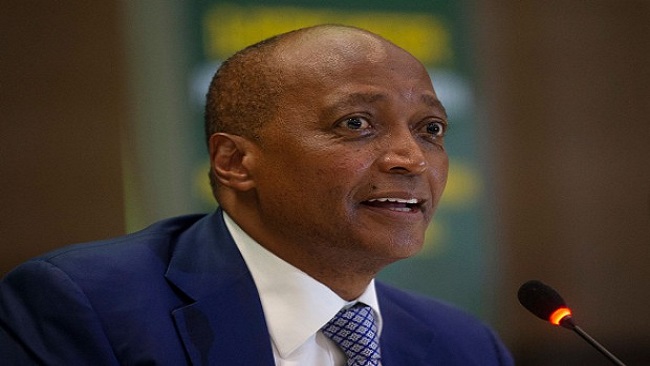 2025 Africa Cup of Nations: Patrice Motsepe should go and go now!
 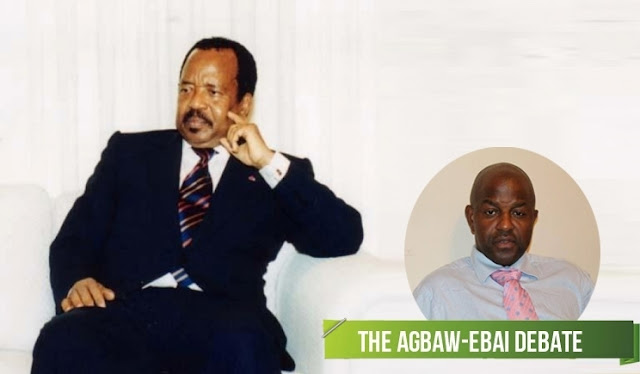 Changes in the Senate and National Assembly: who becomes next head of state?
Most Commented Posts
 4 Anglophone detainees killed in Yaounde
18 comments Chantal Biya says she will return to Cameroon if General Ivo Yenwo, Martin Belinga Eboutou and Ferdinand Ngoh Ngoh are sacked
13 comments The Anglophone Problem – When Facts don’t Lie
12 comments Anglophone Nationalism: Barrister Eyambe says “hidden plans are at work”
12 comments Largest wave of arrest by BIR in Bamenda
10 comments
Featured
-
13 Cameroonians selected for the 2026 cohort of Tony Elumelu Foundation Program
-

Iran says American military structure in West Asia has ‘collapsed’
-

Yaoundé: Trade ministers gather for make-or-break WTO reform talks
-
Cameroonian, Chinese FMs exchange congratulations on 55th anniversary of ties
-

World Bank Group statement on the conflict in the Middle East
-

Anglophone Vice President: a deeply counterproductive idea
-

Netanyahu’s spokesperson resigns after leaked audio reveals scathing criticism
1, February 2017
African Union: Leaders adopt strategy on ICC pullout 2
African leaders have renewed their determination to pull out of the International Criminal Court (ICC) collectively, accusing the international body of discriminating against Africans. The African leaders adopted a strategy for their collective withdrawal at the 28th African Union (AU) summit, which wrapped up in Addis Ababa, Ethiopia, on Tuesday.
A draft of the strategy, which was recited at a closed-door AU session and was later published by AP, recommends that African states build up and strengthen their own independent judicial systems. The non-binding recommendation also calls on African nations to expand the jurisdiction of the African court of justice and human rights to resolve disputes on the continent “in order to reduce the deference to the ICC.”
This is the latest expression of impatience by African leaders with the court, which some say has focused too narrowly on African leaders. Desire Assogbavi, the head of Oxfam International’s AU liaison office, confirmed the adoption of the strategy. However, analysts say African countries are divided on whether to leave the court or try to change some of its policies.
Burundi, Gambia, and South Africa have already said they no longer recognize the court’s jurisdiction and announced their intention to quit. But several other African countries, including Nigeria, Senegal and the Republic of the Congo have spoken up in support of the ICC in recent months. One of the main African supporters of the ICC is former United Nations secretary general, Kofi Annan. Since the ICC was launched on July 1, 2002, it has indicted 39 people, all of whom have been African.
Presstv