Featured
 Pope Leo XIV in Cameroon-The “Ambazonia crisis” in Southern Cameroons
 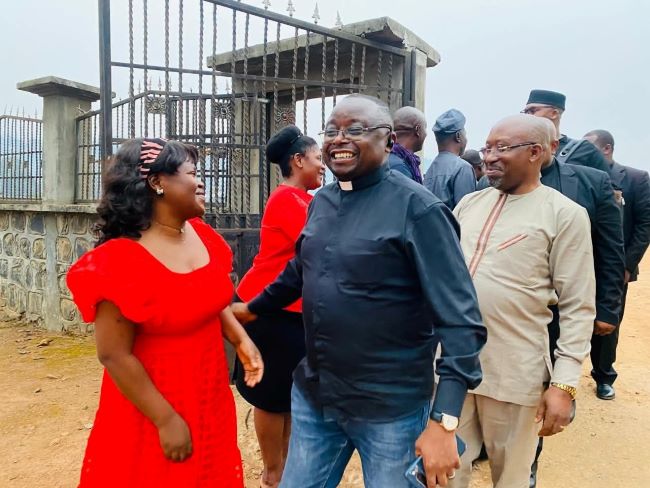 New Testament pastors in the Presbyterian Church in Cameroon
  World Bank Group statement on the conflict in the Middle East
  Anglophone Vice President: a deeply counterproductive idea
  Ambazonia Crisis: latest on Sisiku Ayuk Tabe’s arrest, trial and conviction
Most Commented Posts
 4 Anglophone detainees killed in Yaounde
18 comments Chantal Biya says she will return to Cameroon if General Ivo Yenwo, Martin Belinga Eboutou and Ferdinand Ngoh Ngoh are sacked
13 comments The Anglophone Problem – When Facts don’t Lie
12 comments Anglophone Nationalism: Barrister Eyambe says “hidden plans are at work”
12 comments Largest wave of arrest by BIR in Bamenda
10 comments
Featured
-

Cameroon Football: Ebwelle Bertin takes charge to revive Panthère du Ndé
-

Pope Leo XIV in Cameroon-The “Ambazonia crisis” in Southern Cameroons
-

New Testament pastors in the Presbyterian Church in Cameroon
-
Yaoundé: WTO Ministerial Conference ends without a breakthrough
-

Céline Dion makes her big comeback with concerts in Paris after six-year hiatus
-
Russian Foreign Minister says US, Israel seeking to pit Arab states against Iran
-
CPDM Crime Syndicate: France flags payment delays as risk to investment climate
19, August 2022
Ambazonia fighter dies of wounds sustained during latest military onslaught 0
An Ambazonian fighter seriously injured in the latest Cameroon government military operation in the rural areas of Fako Division has died of his wounds.
Ambazonia Interim Government sources are yet to identify the fighter. But our sources revealed that the 36-year-old who was seriously injured last week was a member of the Inkhata Group fighting Cameroon government forces in Muyuka, Mautu and Ekona.
Recently, Cameroon government army spokesperson announced in a statement that a prominent Amba Commander known as General No Pity had been wounded in attacks in the Northern Zone and many other Amba fighters were critically injured.
Five years into a deadly separatist conflict in Cameroon’s English-speaking regions, hopes of finding a negotiated settlement seem more distant than ever as both the government and secessionist rebels dig in, according to civil society activists.
It’s a conflict marked by spikes of extreme violence that invariably target civilians. The latest high-profile incident was last month, when government soldiers killed nine people in Missong village, in the anglophone Northwest region.
Rights groups accuse both the security forces and secessionist fighters of serious abuses that include extrajudicial killings, rape, kidnapping, and torture.
The root of the conflict is the central government’s historical marginalisation of the two English-speaking regions, the Northwest and Southwest, home to about 20 percent of the population.
By Rita Akana with files