Featured
 World Bank Group statement on the conflict in the Middle East
  Anglophone Vice President: a deeply counterproductive idea
  Ambazonia Crisis: latest on Sisiku Ayuk Tabe’s arrest, trial and conviction
 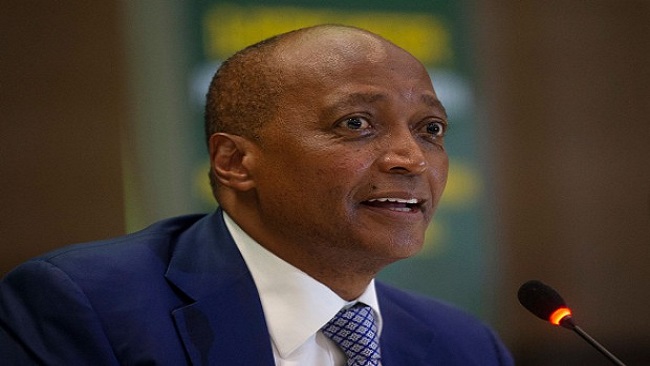 2025 Africa Cup of Nations: Patrice Motsepe should go and go now!
 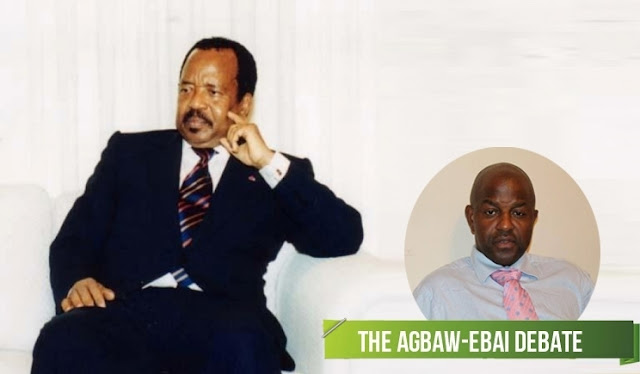 Changes in the Senate and National Assembly: who becomes next head of state?
Most Commented Posts
 4 Anglophone detainees killed in Yaounde
18 comments Chantal Biya says she will return to Cameroon if General Ivo Yenwo, Martin Belinga Eboutou and Ferdinand Ngoh Ngoh are sacked
13 comments The Anglophone Problem – When Facts don’t Lie
12 comments Anglophone Nationalism: Barrister Eyambe says “hidden plans are at work”
12 comments Largest wave of arrest by BIR in Bamenda
10 comments
Featured
-

13 Cameroonians selected for the 2026 cohort of Tony Elumelu Foundation Program
-

Iran says American military structure in West Asia has ‘collapsed’
-

Yaoundé: Trade ministers gather for make-or-break WTO reform talks
-

Cameroonian, Chinese FMs exchange congratulations on 55th anniversary of ties
-

World Bank Group statement on the conflict in the Middle East
-

Anglophone Vice President: a deeply counterproductive idea
-

Netanyahu’s spokesperson resigns after leaked audio reveals scathing criticism
21, March 2018
Amnesty says Nigerian military was warned before Boko Haram abduction of Dapchi girls 0
Nigeria’s military was on Tuesday accused of ignoring repeated warnings about the movements of Boko Haram fighters before they kidnapped 110 schoolgirls in the country’s restive northeast.
The students, the youngest of whom is aged just 10, were seized from the town of Dapchi, Yobe state, on February 19 in virtually identical circumstances to those in Chibok in 2014.
Then, more than 200 schoolgirls were taken in an attack that brought sustained world attention on the Islamist insurgency and sparked a global campaign for their release.
President Muhammadu Buhari has called the Dapchi abduction a “national disaster” and vowed to use negotiation rather than force to secure their release.
But as in Chibok nearly four years ago, human rights group Amnesty International claimed the military was warned about the arrival of the heavily-armed jihadists, yet it still failed to act.
In the hours that followed both attacks, the authorities also tried to claim the girls had not been abducted.
Amnesty’s Nigeria director Osa Ojigho said “no lessons appear to have been learned” from Chibok and called for an immediate probe into what she called “inexcusable security lapses”.
“The government’s failure in this incident must be investigated and the findings made public, and it is absolutely crucial that any investigation focuses on the root causes,” she added.
“Why were insufficient troops available? Why was it decided to withdraw troops? What measures have the government taken to protect schools in northeast Nigeria?
“And what procedures are supposed to be followed in response to an attempted abduction?”
There was no immediate response from the Nigerian military when contacted by AFP.
Multiple calls
Amnesty said that between 2:00 pm and 6:00 pm on February 19, at least five calls were made to tell the security services that Islamist fighters were in the Dapchi area.
Locals spotted about 50 members of the Islamic State group affiliate in a convoy of nine vehicles in Futchimiram, about 30 kilometres (19 miles) from Dapchi, then at Gumsa.
In Gumsa, where Boko Haram stayed until about 5:00 pm, residents phoned ahead to Dapchi to warn them. The convoy arrived at about 6:30 pm and left about 90 minutes later.
Amnesty, whose researchers spoke to about 23 people and three security officials, said the army command in Geidam had told callers they were aware of the situation and were monitoring.
Police in Dapchi promised to tell divisional commanders, while army commanders in Geidam and Damaturu were also alerted during the attack, it added.
People in Dapchi have previously said troops were withdrawn from the town earlier this year, leaving only a few police officers. The nearest military detachment was an hour away.
The Dapchi abduction has thrown into doubt repeated government and military claims that Boko Haram is on the brink of defeat, after nearly nine years of fighting and at least 20,000 deaths.
Boko Haram, which has used kidnapping as a weapon of war during the conflict, has not claimed responsibility but it is believed a faction headed by Abu Mus’ab al-Barnawi is behind it.
IS in August 2015 publicly backed Barnawi as the leader of Boko Haram, or Islamic State West Africa Province, over Abubakar Shekau, whose supporters carried out the Chibok abduction.
Analysts have attributed a financial motive to the Dapchi kidnapping given government ransom payments made to Boko Haram to secure the release of some of the captives from Chibok.
AFP