Featured
 World Bank Group statement on the conflict in the Middle East
  Anglophone Vice President: a deeply counterproductive idea
  Ambazonia Crisis: latest on Sisiku Ayuk Tabe’s arrest, trial and conviction
 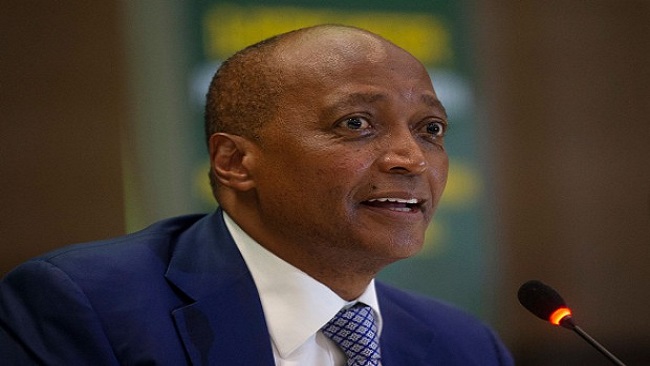 2025 Africa Cup of Nations: Patrice Motsepe should go and go now!
  Changes in the Senate and National Assembly: who becomes next head of state?
Most Commented Posts
 4 Anglophone detainees killed in Yaounde
18 comments Chantal Biya says she will return to Cameroon if General Ivo Yenwo, Martin Belinga Eboutou and Ferdinand Ngoh Ngoh are sacked
13 comments The Anglophone Problem – When Facts don’t Lie
12 comments Anglophone Nationalism: Barrister Eyambe says “hidden plans are at work”
12 comments Largest wave of arrest by BIR in Bamenda
10 comments
Featured
-
13 Cameroonians selected for the 2026 cohort of Tony Elumelu Foundation Program
-

Iran says American military structure in West Asia has ‘collapsed’
-
Yaoundé: Trade ministers gather for make-or-break WTO reform talks
-
Cameroonian, Chinese FMs exchange congratulations on 55th anniversary of ties
-
World Bank Group statement on the conflict in the Middle East
-

Anglophone Vice President: a deeply counterproductive idea
-
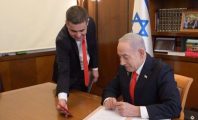
Netanyahu’s spokesperson resigns after leaked audio reveals scathing criticism
14, February 2020
Atrocity Alert: Twin poll in Cameroon lead to a surge in violence 0
The conflict between government forces and armed separatists in Cameroon’s Anglophone north-west and south-west regions has intensified since December. Over the past weeks clashes between the two sides, as well as increased attacks on villages, has led to dozens of killings, abductions and increased civilian displacement. The UN Office for the Coordination of Humanitarian Affairs estimates that as of 31 January at least 679,393 people have been internally displaced in the north-west and south-west regions, while 51,000 have fled to neighboring Nigeria.
The latest violence took place in the run-up to parliamentary and municipal elections that were held on Sunday, 9 February. To ensure the elections went ahead in the disputed Anglophone regions, the government announced numerous security measures and significantly expanded its military presence. However, the security forces have been accused of burning several Anglophone villages and of indiscriminately shooting civilians. According to Fabien Offner, Lake Chad Researcher at Amnesty International, “in recent weeks, brutal military operations have been conducted while crimes committed by armed separatists continue unabated. Civilians are finding themselves trapped in a spiral of violence.”
Since December armed separatists have also attempted to sabotage the election process, including by abducting candidates. The separatist Ambazonia Interim Government declared Sunday’s elections illegal and announced a six-day lockdown between 7 and 12 February. Separatists reportedly issued threats against any civilians who did not observe the lockdown or attempted to vote.
Following a national political dialogue last October, President Paul Biya granted “special status” to the two Anglophone regions. However, separatist groups refused to participate in the government-led dialogue and power is still concentrated in the Francophone administration in Yaoundé. Sunday’s municipal elections were the first to be held in seven years and were supposed to be a step towards greater regional autonomy.
In order to resolve the ongoing armed conflict in Cameroon, the international community – particularly the African Union and the Economic Community of Central African States – should ensure that President Biya organizes genuine peace negotiations that include representatives of all Anglophone groups. Meanwhile, government forces and armed separatists must immediately end all extrajudicial killings of unarmed civilians and ensure that the human rights of all Cameroonians are equally protected, regardless of language, cultural identity or political affiliation.
Source: Reliefweb