Featured
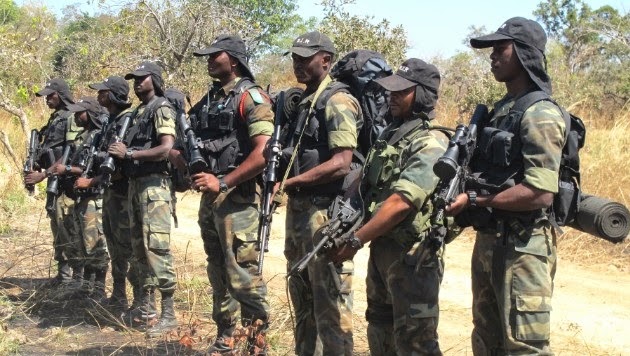 Ethnic armies and the democratization process in Cameroon: an impediment to democratic consolidation
 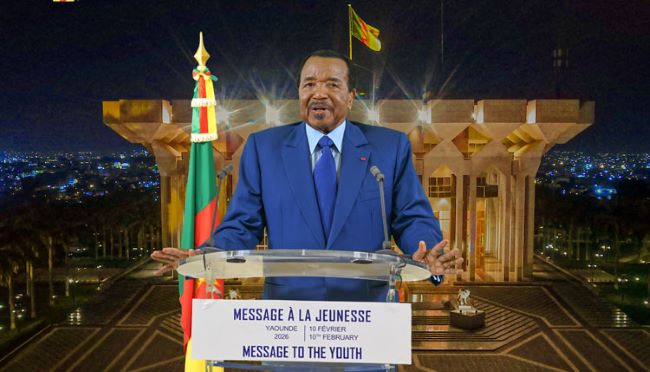 Biya’s message to the Youth on the 60th edition of the National Youth Day
  How Cameroon pays the price for disrespecting contracts
 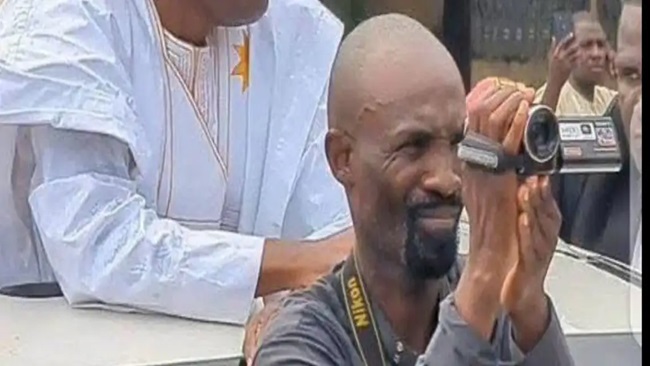 Arrest of Issa Tchiroma’s photographer: shameful, disgusting and disgraceful
  Paul Biya: the clock is ticking—not on his power, but on his place in history
Most Commented Posts
 4 Anglophone detainees killed in Yaounde
18 comments Chantal Biya says she will return to Cameroon if General Ivo Yenwo, Martin Belinga Eboutou and Ferdinand Ngoh Ngoh are sacked
13 comments The Anglophone Problem – When Facts don’t Lie
12 comments Anglophone Nationalism: Barrister Eyambe says “hidden plans are at work”
12 comments Largest wave of arrest by BIR in Bamenda
10 comments
Featured
-
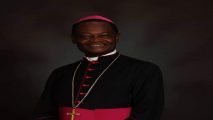
Bishop Nkuo says Kumbo is not a battlefield or a slaughter slab
-
Yaoundé: 4 journalists detained while investigating U.S. deportees
-
Ngarbuh Massacre: Rare prison sentences handed to soldiers after killing of 21 civilians
-
Ethnic armies and the democratization process in Cameroon: an impediment to democratic consolidation
-
AP journalist detained in Cameroon while reporting on U.S. deportees
-
Should Pope Leo Visit Cameroon?
-
UK: Former Prince Andrew arrested!
21, February 2026
Bishop Nkuo says Kumbo is not a battlefield or a slaughter slab 0
Bishop George Nkuo of Kumbo in Cameroon’s war-torn North West region has denounced a decade of violence that has plagued Cameroon’s two English-speaking North West and South West regions.
The two regions have since 2016 been embroiled in conflict, with separatists fighting to break away from the rest of the country and form a new nation to be called Ambazonia.
The crisis was triggered by a harsh government crackdown on teachers and lawyers from the two regions who were protesting the use of French in Anglo-Saxon schools and courts. But Cameroon’s English-speaking minorities have always voiced historical grievances, complaining about the systematic erosion of their culture and way of life by the predominantly French-speaking government.
Ten years of fighting have left at least 6500 people dead, and more than a million forced to flee from their homes.
In his Lenten letter, Nkuo laments that the conflict, marked by killings, abductions, and a new crisis of human trafficking, risks becoming “normalized” among a suffering population.
He said his diocese in particular has “endured ten painful years of conflict, fear, displacement, uncertainty, and deep sorrow,” and expressed fear that war could become normalized.
In his pastoral letter, titled “Return to Me with All Your Heart” (Joel 2:12), the Cameroonian bishop wrote, “For many in our land, every day has felt like Lent. Every day has carried ashes, and every day has carried tears, and yet Lent is not only about ashes. It is also about return and about conversion and about hope.”
He explained that this profound suffering has permeated every facet of life.
“Young and old. Christians and non-Christians. Catholics and non-Catholics. Farmers, teachers, catechists, traders, pupils, mothers, and fathers” have suffered, he said.
“We have witnessed killings, abductions, kidnappings, disappearances, burning of homes, looting, sexual violations, extortion, and constant fear. Entire villages have lived in anxiety. Schools have closed. Farms have been abandoned. Youth have fled,” the bishop added.
He warned that the region runs the risk of “getting used to what should never be normal.”
“Violence is never normal. The shedding of innocent blood is never acceptable,” Nkuo explained.
He made it clear that Kumbo Diocese “is not a battlefield,” nor is it a “slaughter slab where human beings are butchered, nor is it a training ground where soldiers train for war and by so doing get normal to the sounds and guns and missiles and explosives.”
While a decade of war has left a trail of death and destruction, it has also forged another crisis: Human trafficking.
Traffickers prey on the vulnerability of war-battered youth, forcing them into modern-day slavery. Nkuo describes this as “another grave wound” on the diocese, explaining that youths “are being lured with false promises of employment. Families are extorted for ransom. Some have disappeared into modern-day slavery.”
In comments to Crux, Lukong Isidore Njodzeven, the deputy Diocesan coordinator for the Justice and Peace Commission of the Kumbo Diocese, revealed that more than 3000 Cameroonians have been trafficked across the border to Nigeria.
He described the area around the Kumbo Diocese as “a catchment area” where traffickers find easy prey on desperate young people eager to escape from war and poverty to better their lives.
According to UNICEF reports, approximately 800,000 children were forced out of school due to the conflict.
“Moreover, the crisis has intensified poverty, further weakening resistance to trafficking and exploitation,” Njodzeven told Crux.
In his statement, Nkuo said the young people should be in classrooms and not in camps.
“They should be in farms and industries and not in bondage,” the bishop said.
“You are not forgotten. You are not disposable,” he told the youth.
“You are not destined for armed groups or trafficking camps. You are the future of this Diocese. You are the hope of this land,” Nkuo said.
He said that the process of healing will begin when forgiveness steps into the picture
“Let us choose gentleness. Let us choose courage. Let us choose peace,” he implored. “Many of us are tired, and many among us feel abandoned. But we must not lose hope. God is not finished with Kumbo.”
Speaking to Crux, the bishop said the ultimate solution to the conflict lies in “frank and sincere dialogue that should address the root causes of the crisis.”
“You cannot resolve a conflict without addressing the roots of that conflict,” Nkuo said.
Source: Crux