Featured
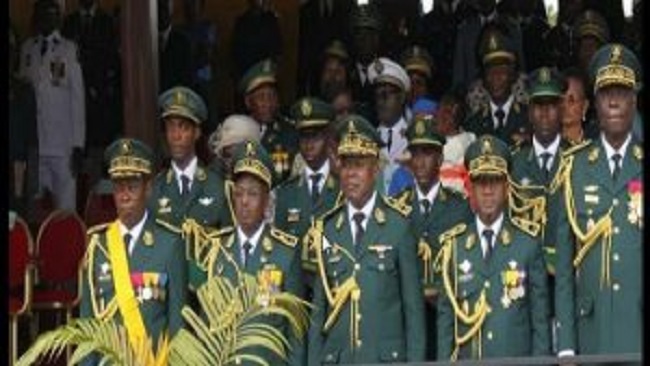 The Cameroonian army must put its conscience to the test
 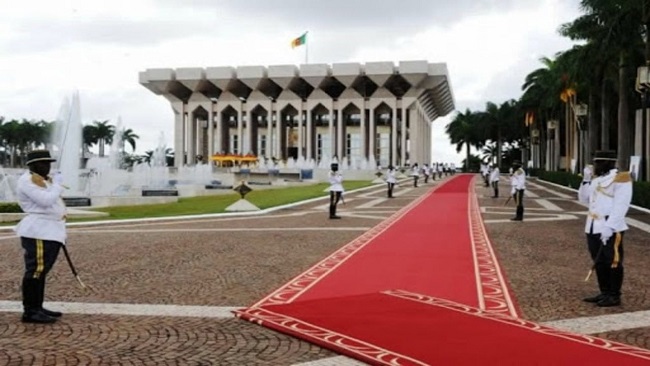 Who really pushed for the return of the Vice President of the Republic?
  When politics fails a nation, football and the Church become the battleground
  Biya has had his era; Cameroon must now be allowed to enter its next one
 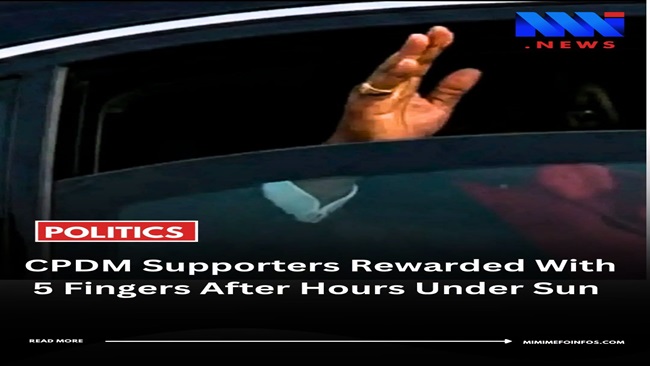 Biya’s hand: a source of glory and shame
Most Commented Posts
 4 Anglophone detainees killed in Yaounde
18 comments Chantal Biya says she will return to Cameroon if General Ivo Yenwo, Martin Belinga Eboutou and Ferdinand Ngoh Ngoh are sacked
13 comments The Anglophone Problem – When Facts don’t Lie
12 comments Anglophone Nationalism: Barrister Eyambe says “hidden plans are at work”
12 comments Largest wave of arrest by BIR in Bamenda
10 comments
Featured
-

Martinez Zogo Trial: questions over missing phone linked to Amougou Belinga
-

Revealed: Colonel Danwe admits ordering Martinez Zogo operation
-
Archbishop Nkea to battle decade of war with new peace Catechism
-

Southern Cameroons Crisis: 7 kidnapped by suspected Amba fighters in Bangourain
-
Southern Cameroons Crisis: 3 killed, 2 injured in bar shooting in Bamenda
-
US military nearing ‘breakdown’ amid sustained Iranian attacks
-
The Cameroonian army must put its conscience to the test
13, October 2018
Biya regime ‘must prove Ambazonian leaders are alive’ 0
Lawyers in Cameroon defending leaders of a movement to create a separate state of Ambazonia have called on the government to produce evidence that their clients are still alive. Many English-speaking people complain of being treated like second-class citizens in Cameroon. Barrister Christopher Ndong was representing his clients at a hearing at the Yaounde Appeals Court.
For the fifth time, secessionist leader Sissiku Ayuk Tabe and his fellow defendants were not present in court, despite a court order saying they should be there. “We have fears that if they cannot be brought even at the level of the court of appeal, then there is something wrong,” Mr Ndong told the BBC.
The next hearing comes up on 1 November and the lawyer said if the defendants are not physically present, then the government “should present certificates of life to show that they are alive”.
Sisiku Julius Ayuk and 46 others were arrested January in Nigeria and extradited to Cameroon. Government spokesman Issa Tchiroma Bakary has said the separatists will answer for their alleged crimes.
Sisiku Julius Ayuk was the president of the Governing Council of Ambazonia, a group that works for the secession of Cameroon’s English-speaking regions of Cameroon from the rest of the country. Cameroon’s English speakers say they have been marginalised for decades by the predominantly Francophone government. BBC News
Source: Nehandaradio