Featured
 Pope Leo XIV in Cameroon-The “Ambazonia crisis” in Southern Cameroons
  New Testament pastors in the Presbyterian Church in Cameroon
  World Bank Group statement on the conflict in the Middle East
  Anglophone Vice President: a deeply counterproductive idea
  Ambazonia Crisis: latest on Sisiku Ayuk Tabe’s arrest, trial and conviction
Most Commented Posts
 4 Anglophone detainees killed in Yaounde
18 comments Chantal Biya says she will return to Cameroon if General Ivo Yenwo, Martin Belinga Eboutou and Ferdinand Ngoh Ngoh are sacked
13 comments The Anglophone Problem – When Facts don’t Lie
12 comments Anglophone Nationalism: Barrister Eyambe says “hidden plans are at work”
12 comments Largest wave of arrest by BIR in Bamenda
10 comments
Featured
-

Etoudi plans constitutional reform to create vice president role
-
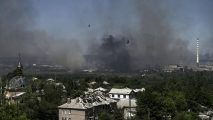
Russia conducts massive rolling aerial attacks on Ukraine
-

Cameroon, Switzerland sign MoU positioning Obala Institute as Central Africa Agri-Research Hub
-

Iran’s military vows to continue war until US, Israel ‘regret’ aggression
-

Cameroon Football: Ebwelle Bertin takes charge to revive Panthère du Ndé
-

Pope Leo XIV in Cameroon-The “Ambazonia crisis” in Southern Cameroons
-

New Testament pastors in the Presbyterian Church in Cameroon
28, April 2022
Cameroon becomes anti-French and goes with Moscow 0
The Cameroonian Defense Minister flew to Moscow to sign it, in complete secrecy and in the midst of the Ukrainian conflict. It was not supposed to be known, but the press gave an account.
Cameroon has been experiencing a bitter conflict, since 2016, in the two Anglophone provinces of the country that demand independence from the central state and then has to contend with the increasingly bloody incursions of Boko Haram in the Far North.
The current agreement, much broader and more organic than the previous one, albeit in generic terms, raises not a little perplexity precisely because it is not specific, as in the case of Mali and the Central African Republic, the supply of weapons, but only that “other areas of cooperation can be considered”. And it is precisely this clause that causes debate and creates perplexity because the “other areas of cooperation” can enter the employment and deployment of the Wagner Company, Russian mercenaries already employed in areas of conflict on the African continent.
Culled from ruetir.com