
9, November 2019
IMF Staff Completes Review Mission to Cameroon 0
An International Monetary Fund (IMF) team, led by Mr. Amadou Sy, visited Yaoundé during October 28—November 8, 2019 to discuss the fifth review of the program supported by the ECF that was approved in June 2017 .
At the conclusion of this visit, Mr. Sy issued the following statement:
“The IMF team reached staff-level agreement with the authorities on economic and financial policies that could support approval of the fifth review of their three-year program under the ECF. The IMF Executive Board could consider the fifth review in mid-December 2019. The completion of the fifth review would enable a sixth disbursement of SDR 55.2 million (about US$ 76.5 million).
“Overall economic growth is estimated to reach 3.9 percent in 2019, from 4.1 percent in 2018. The strong rebound of the oil and gas sector will help contain the lower than anticipated expansion in the non-oil sector. While the oil and gas sector is expected to grow by 6.0 percent after three years of deceleration, security challenges and the suspension of SONARA’s production since June 2019 is weighing on short-term growth prospects. Non-oil activity is estimated to soften at 3.8 percent in 2019 from 4.4 percent in 2018. Inflation remains low but is trending up from 1.1 percent in 2018 to 2.3 percent in September 2019, (y/y) mainly owing to higher food prices and with strong regional variations.
“Fiscal performance in 2019 faces increased headwinds due to security challenges, the delayed implementation of new tax measures, and SONARA’s financial difficulties. Structural reforms are moving ahead, albeit with slow progress. The authorities are considering expanding the non-oil revenue base, including by reducing tax exemptions, raising VAT efficiency, and improving tax and customs administration. They are committed to addressing risks from contingent liabilities, including from SONARA and other state-owned enterprises, and safeguarding debt sustainability including by continuing to increase the share of concessional loans in new borrowing.”
“The medium-term outlook remains positive, with non-oil growth expected to gradually rise thanks to the completion of the investments in infrastructure and energy projects and a gradual resolution of the security crisis. Fiscal consolidation over 2020-21, together with enhanced foreign exchange repatriation will support a continued rebuilding of BEAC reserves. Structural reforms to increase public investment efficiency, strengthen public enterprises and support private sector development will support the growth outlook going forward.”
“The team wishes to thank the Cameroonian authorities for their hospitality, cooperation, and the constructive dialogue.”
The team met with Prime Minister Joseph Dion Ngute, Minister of State Secretary General at the Presidency Ferdinand Ngoh Ngoh, Minister of Finance Louis Paul Motaze, Minister of Economy, Planning, and Regional Development Alamine Ousmane Mey, BEAC National Director Eugene Blaise Nsom, and other senior officials. The mission also met representatives of the diplomatic and donor communities as well of the private sector.





















19, November 2019
Africa Retailer Jumia Suspends E-Commerce In Cameroon 0
Online retailer Jumia Technologies said on Monday it had suspended its e-commerce platform activities in Cameroon because they were “not suitable” for the African state.
Dubbed “the Amazon of Africa”, the company founded in 2012 by two French former McKinsey consultants has grown quickly to become the continent’s leading e-commerce firm, operating in more than a dozen countries.
Jumia, whose share price hit a record low of $4.96 after Reuters reported the suspension on Monday, said it would continue supporting buyers and vendors in Cameroon using its classified portal Jumia Deals.
Cameroon’s economy is one of the largest in central Africa, but growth has been hit by a two-year separatist uprising in its Anglophone North-west and South-west regions.
“We came to the conclusion that our transactional portal as it is run today is not suitable to the current context in Cameroon,” Jumia said in a statement announcing that its e-commerce operations there had been suspended.
Jumia’s shares have tumbled from its Wall Street debut price of $14.50 in April and its last week’s third-quarter results missed revenue estimates for the second time in three quarters.
With an e-commerce business similar to Amazon’s and a classified portal like Alibaba’s, Jumia sells its own stock, taking a cut of third-party transactions on its website.
A source at the company in Cameroon said it had chosen to prioritize growth over profitability, which had not paid off.
“We wanted to see how business evolved. We can come back, but for now we’re closing (to have) time to study the market,” the source, who declined to be named, told Reuters.
The International Monetary Fund said in November that economic growth in oil-producing Cameroon was likely to slow to 3.9% this year from 4.1% in 2018 due to a subdued performance by the country’s non-energy sector.
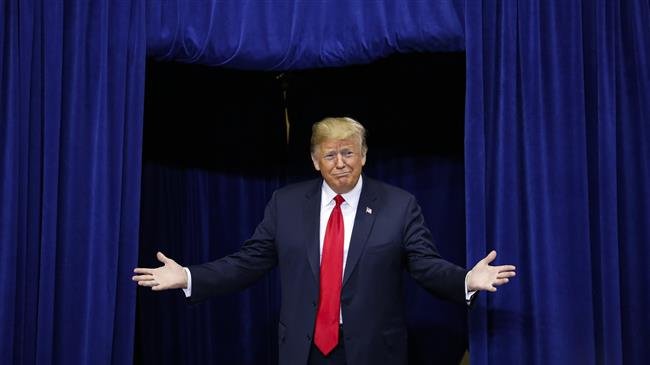
And U.S. President Donald Trump said last month he would end Cameroon’s preferential trade benefits under the African Growth and Opportunity Act (AGOA) from January because the government had not dealt with abuses by the security forces.
Cameroon’s government and military have rejected the allegations and have said that Anglophone separatists are responsible for human rights violations.
Source: One America News Network