
22, March 2022
Southern Cameroonians will never compromise on independence struggle 0
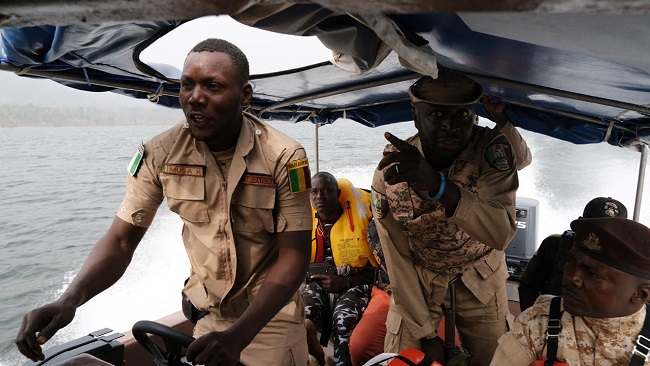
The exiled leader of the Ambazonia Interim Government Dabney Yerima says the people of Southern Cameroons will never compromise on defending the interests and resources of the Federal Republic of Ambazonia.
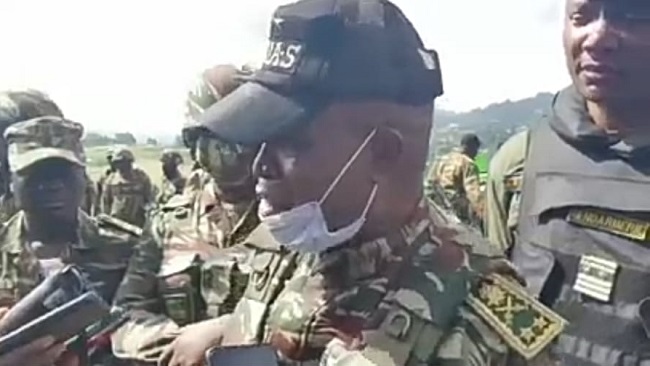
“Members of the Interim Government have always maintained that unity among Ambazonia groups and front line leaders will add momentum to the struggle and bring Buea nearer” Yerima said in a recent message to Amba fighters in Ground Zero and Ground One.
Dabney Yerima emphasized that Southern Cameroonians will confront any sinister plot or sedition designed by the Biya Francophone regime in Yaoundé to harm the Federal Republic of Ambazonia.
Vice President Yerima furthered that all Ambazonia fighters are duty-bound to fully defend the homeland anywhere and anytime and to closely monitor all French Cameroun appointed DOs, SDOs and Governors moves with full vigilance.
“All Ambazonia Revolutionary Guards should increase their readiness and combat capability as leadership struggle in French Cameroun intensifies” Yerima concluded.
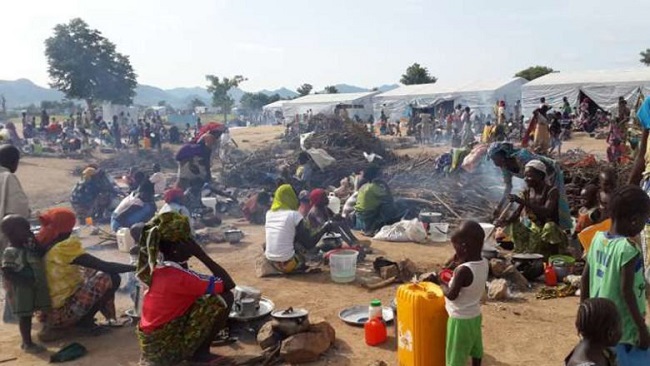
The war in Southern Cameroons has killed more than 6,000 people and forced one million English speaking Cameroonians to flee their homes as they are caught between the Francophone Cameroon government army and Ambazonia fighters.
The war broke out in October 2017 when British Southern Cameroonians under the leadership of President Sisiku Ayuk Tabe declared an independent state-the Federal Republic of Ambazonia.
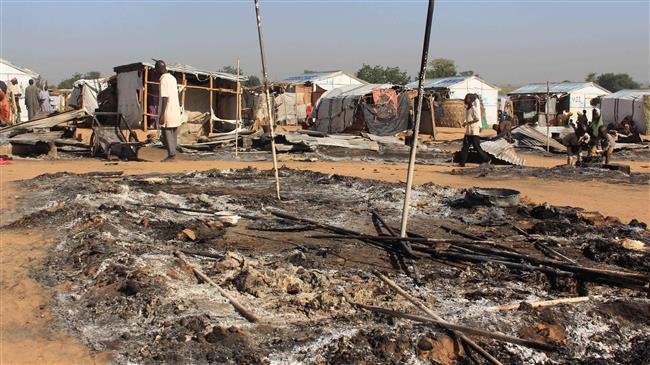
The five-year conflict is slowly but surely spilling over into Nigeria, with the Nigerian press reporting that Cameroonian security forces and Ambazonia fighters care little for the territorial integrity of their neighbours.
By Chi Prudence Asong


















22, March 2022
Biya Regime Blames War Between Russia and Ukraine for Wheat Shortage 0
Cameroon’s government says Russia’s war on Ukraine is responsible for a wheat shortage that has led to a 40 percent increase in the price of bread. The central African state is encouraging local substitutes like cassava and yams to replace the wheat usually imported from Russia and Ukraine.
More than 40 consumers are waiting for bread Monday morning at the La Mama bakery in Mokolo, a neighborhood in Cameroon’s capital.
Youssoufa Daouda, who sells bread at the bakery, said in the past two weeks the bakery has served less than 200 of its usual 500 daily customers.
He said importers informed bakers in the first week of March of a potential shortage of wheat in Cameroonian markets because countries that supply wheat to Cameroon were at war. Daouda said the price of a 50-kilogram bag of wheat increased from $35 to between $50 and $60, and the supply is not regular.
Cameroon says 13 million of its 26 million citizens who consume bread daily no longer have a regular supply.
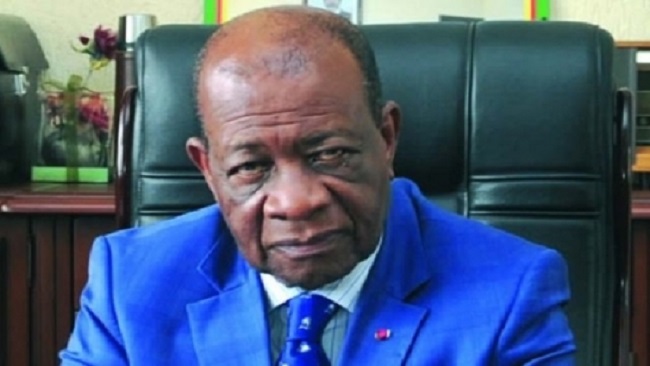
Cameroon’s Minister of Trade Luc Magloire Mbarga Atangana presided over a meeting with bakery owners and wheat importers on Monday meant to educate consumers associations that the shortage of wheat is a result of the war in Ukraine.
Atangana said anyone who is informed and is honest will not disagree that the war between Russia and Ukraine is having disastrous consequences on economies all over the world. He said the war has deprived Cameroon of about 60 percent of wheat imported from both Ukraine and Russia, and the government is very worried because the absence of wheat can cause a social crisis in Cameroon.
Atangana said Cameroon’s Prime Minister, Joseph Dion Ngute, asked the ministers in charge of agriculture and trade to find alternatives to wheat imports.
Cameroon produces less than one-fourth of the 1.6 million tons of wheat it needs each year. Last year, it imported more than 850,000 tons from Russia and Ukraine.
Delor Magellan Kamseu Kamgaing, president of Cameroon’s Consumers League, said Cameroonians should learn to consume bread made without wheat imported from Ukraine and Russia. He said local substitutes, including tubers like cassava, yams and potato, can replace imported wheat. He added that it’s imperative the government provide funding and tractors to farmers to increase tuber production to spare Cameroon from a looming social crisis.
Other countries in Africa and the Middle East are also facing wheat shortages due to the war in Ukraine. On Monday, the head U.N. International Fund for Agricultural Development, Gilbert Houngbo, warned the situation “could cause an escalation of hunger and poverty, with dire implications for global stability.”
Source: VOA