26, May 2019
Southern Cameroons War: French Cameroun army kills 12 in Menchum County 0
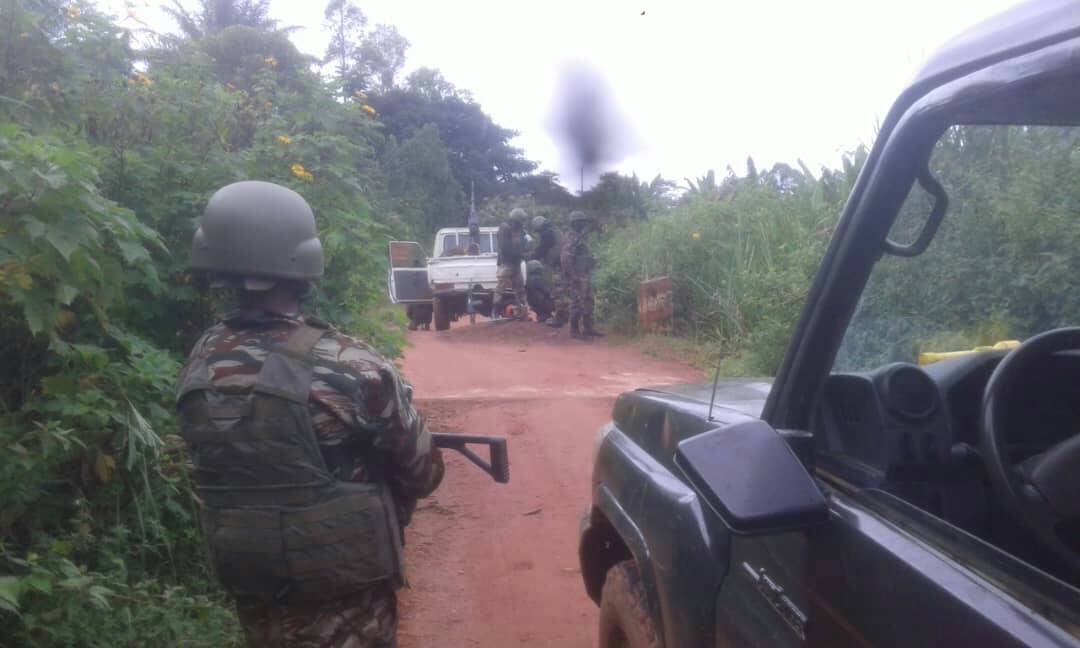
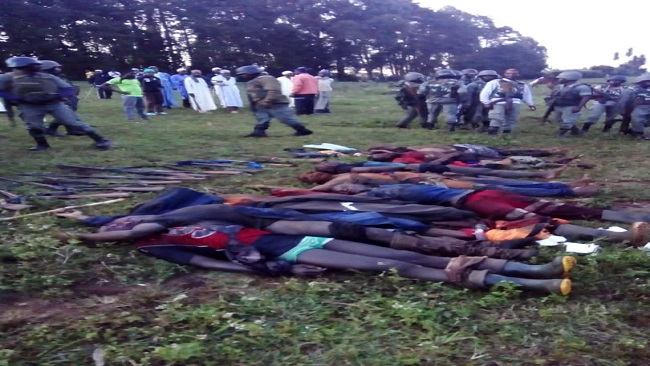
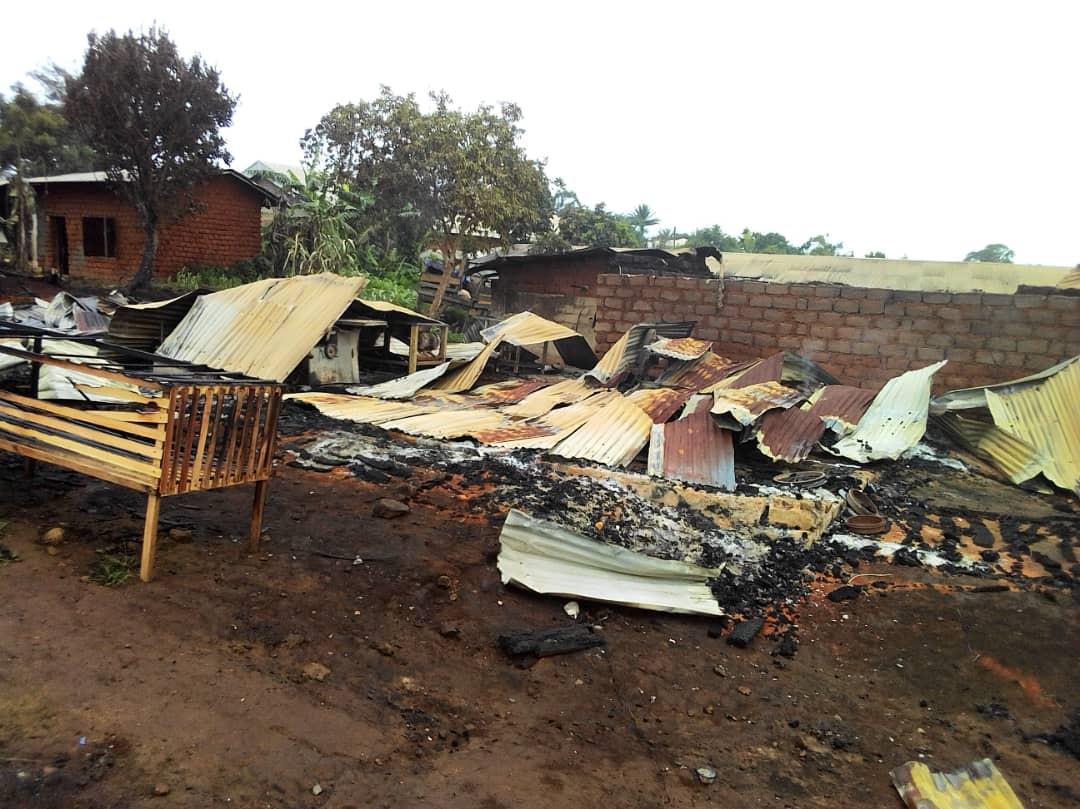
12 Southern Cameroonians were reportedly killed and several shops and business premises destroyed by troops loyal to the Biya Francophone regime in Esu-a locality in the Menchum County on Thursday May 23rd 2019.
The Cameroon government army said its action targeted Ambazonian fighters operating in the area. However, a local trader who spoke to our undercover reporter hinted that the killings and destruction was part of a French Cameroun government policy to bring down Southern Cameroonians.
The 12 people were mostly civilians who had escaped the army onslaught in Wum and were hiding in Esu. The Francophone soldiers also fired shots at the Esu Health Centre shattering the building and health equipment.
Scores of people have fled the area into the bushes abandoning the old and the sick behind.
By Sama Ernest














27, May 2019
Cameroonian soldiers accused of killing baby as family flees 0
The parents of a baby allegedly murdered by Cameroonian soldiers last Monday have gone into hiding, afraid speaking out will make them a target for the authorities.
Pictures of the dead four-month-old Martha Neba were circulated online, along with a graphic video showing her body on a sofa with bullet casings nearby and her aunt crying as an unknown man filming the video accused Cameroon’s military of killing her.
“Let them come and kill me too,” screamed Martha’s aunt, Gladys Lum, in anguish.
It appeared to be the latest attack in a bloody conflict between government forces and separatist rebels from the central African country’s anglophone regions, one in which civilians have been repeatedly caught in the crossfire.
The conflict was ignited in 2016 with a peaceful demand by teachers and lawyers in the country’s anglophone regions to use English in courtrooms and schools, but degenerated into war after the authorities shot and killed protesters in October 2017. Anglophone rebels are now fighting for a separate state. Under the country’s octogenarian president, Paul Biya, in power since 1982, the numerous deaths and detentions have created an atmosphere of intense fear.
The family was visiting Muyuka in the South-West region so that four-month-old Martha could be presented to her grandfather. She was asleep on the sofa in his house, her mother was cooking behind it and her father relaxing out front when they heard gunshots.
“I quickly told my wife to run,” said Martha’s father, Funi Neba. “She went and hid around our neighbour’s house, I went right into the forest. On my way back I met a man who told me about the incident. I rushed home and saw my daughter on the chair. They damaged my daughter. I was seeing a bullet inside her head. You know how soft a baby’s head can be.”
According to a neighbour, the men were arguing as they left the house, with one asking another why he had shot such a young child.
When she saw her daughter, Martha’s mother, Emilia Agbor, collapsed. Martha was buried the next day, then the video of her appeared on social media. When soldiers came to the house asking for her parents, they went on the run, scared of reprisals for speaking out.
“The military shot my child,” Agbor said. “They are the ones who shot my child. Right now we are in the bush, we are running from government. I am afraid.”
The government denied what it said were false accusations, with René Sadi, the communications minister, giving his version of events in a statement. He said Neba was a former secessionist rebel, now rehabilitated, and that he and most of his family had fled when his ex-comrades, armed with knives and hunting guns, attacked his home. The baby had been killed with a knife, not a gun, he said, and the subsequent video had been staged in order to “demonise” the country’s armed forces.
He did not explain how he knew this, and did not announce an investigation into the baby’s death.
Neba, in hiding, said he was not a rebel but a banana plantation worker who had worked for months without pay.
“If the government can come out and say I am a separatist, I don’t have what to say to them, other than that God who created us all knows that I am innocent,” he said.
“My father stayed back, he said they should come and kill him since they have already done their worst. He questioned why they killed the innocent child, (when) they could have rather killed him.”
Amid killing, sexual violence, kidnapping, the burning of villages and hospital attacks, 530,000 people have fled their homes in the anglophone South-West and North-West regions. Many are living in extremely precarious situations, without sufficient food, clean water or medical care. Many are living in areas unreachable by humanitarian organisations. Suspected separatists are routinely tortured, according to human rights groups.
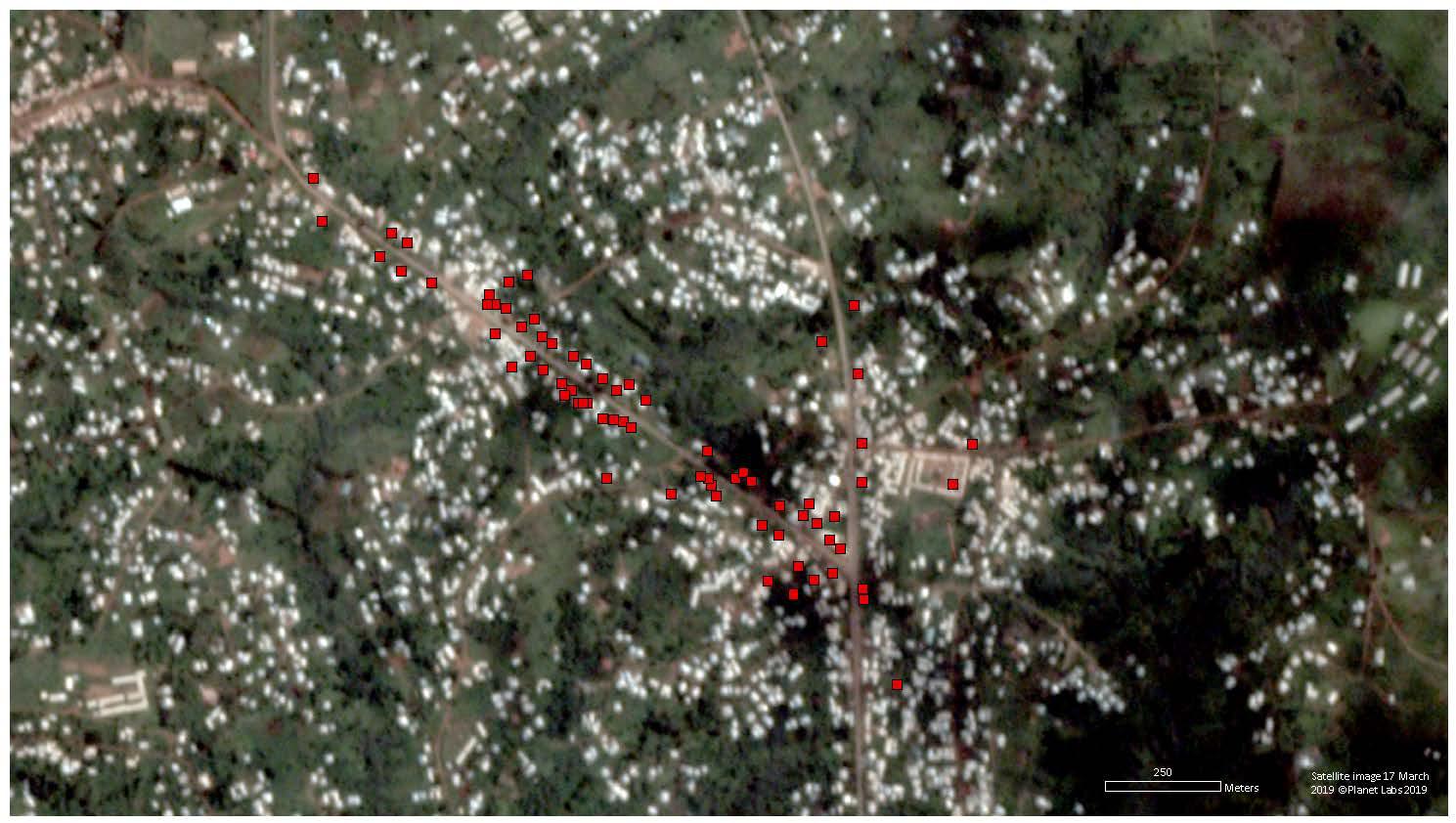
Cameroonian soldiers were accused of burning down 70 houses in an attack on Mankon, in the North-West region, on Wednesday 15 May, dragging a man from his house and killing him in the street, according to human rights organisations. The defence ministry announced an investigation.
Houses and villages are commonly burned down by the military: the locality of Kikaikelaki has suffered particularly in recent weeks, caught in the crossfire between the military and separatists, and reportedly being looted by the military. One resident who built water catchments that provided hundreds of people with clean water during the crisis had his house and possessions razed.
Source: The Guardian.Com