2, August 2022
Tiger Woods rejected $700-800 mn LIV offer, Greg Norman says 0
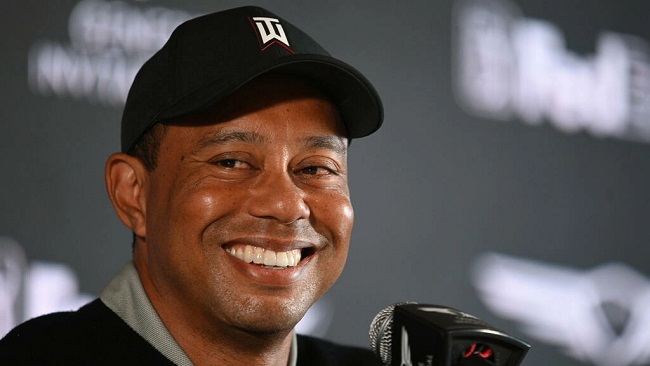
Tiger Woods turned down an offer of about $700-800 million to take part in the Saudi-funded LIV Golf series, the rebel circuit’s chief Greg Norman said.
Fifteen-time major champion Woods has always made clear his opposition to the series which is threatening to tear golf apart and triggered accusations of Saudi “sportswashing”.
Speaking in an interview on Fox News with Tucker Carlson, LIV chief executive Norman was asked if it was true that the American golf legend was offered “700, 800, a billion dollars” to join the breakaway circuit.
“That number was out there before I became CEO so that number’s been out there, yes,” Norman, a former world number one who is the public face of LIV Golf, said in the interview at Trump National in Bedminster, New Jersey, where the third LIV Golf Invitational was held last weekend.
“And look, Tiger is a needle-mover, right? So of course you are going to look at the best of the best.
“They had originally approached Tiger before I became CEO, so yes, that number is somewhere in that neighbourhood.”
The 46-year-old Woods has consistently declared his loyalty to the PGA Tour and said he has no intention of following the likes of other major winners, such as Phil Mickelson, Bryson DeChambeau, Sergio Garcia and Dustin Johnson in jumping ship to the upstart LIV.
“I disagree with it,” Woods said ahead of the British Open in St Andrews last month when asked about his fellow professionals who have been tempted to join the hugely lucrative but deeply controversial circuit.
“I think that what they’ve done is they’ve turned their back on what has allowed them to get to this position,” Woods said.
“And who knows what’s going to happen in the near future with world-ranking points, the criteria for entering major championships?
“Some of these players may not ever get a chance to play in major championships. That is a possibility. We don’t know that for sure yet.”
The LIV series, spearheaded by Norman and bankrolled by Saudi Arabia’s Public Investment Fund, offers record prize money of $25 million per 54-hole event with shotgun starts and no cut.
Source: AFP

















12, August 2022
FIFA moves up World Cup start date one day to November 20 0
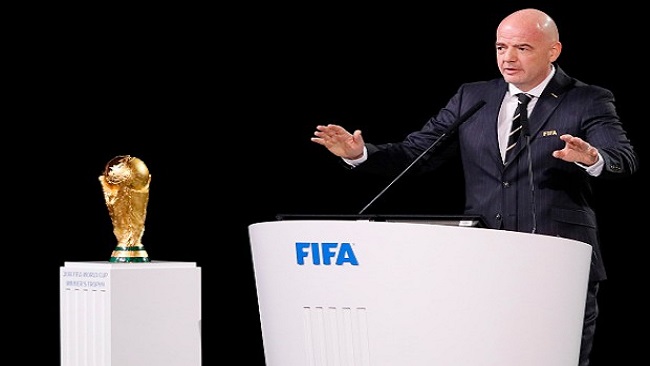
FIFA on Thursday officially brought forward the opening match of this year’s World Cup by one day to November 20 in a rare schedule change so that hosts Qatar feature in the gala game.
Football’s ruling executive universally approved the decision, FIFA said in a statement while Qatar said it would give unspecified help to fans affected by the change.
On the old schedule Qatar against Ecuador was to be the official inauguration match on November 21 but Senegal against Netherlands would be the first match of the day. England against Iran would have been second.
“Host country Qatar will now play Ecuador on Sunday 20 November as part of a stand-alone event,” said FIFA.
“The opening match and ceremony of this year’s tournament at Al Bayt Stadium have been brought forward one day following a unanimous decision taken by the bureau of the FIFA Council today.”
“The change ensures the continuity of a long-standing tradition of marking the start of the World Cup with an opening ceremony on the occasion of the first match featuring either the hosts or the defending champions,” added FIFA.
Under the new plan, the Group A game between Senegal and the Netherlands has been shifted from 1:00pm (1000 GMT) on November 21 to a 7:00pm start. There is no change to England’s opening Group B clash against Iran.
Qatari organisers, who have spent billions of dollars preparing for the event, immediately welcomed FIFA’s gesture.
“Opening the first FIFA World Cup to be held in the Middle East and Arab world is a once-in-a-lifetime opportunity for Qatar,” said the organising committee in a statement.
“The world will be watching as our proud nation kicks-off the biggest sporting event in the world against Ecuador.
“The impact of this decision on fans was assessed by FIFA. We will work together to ensure a smooth tournament for the supporters affected by the change,” they added without giving details.
Official countdown clocks for the event were quickly changed. The 100 day countdown to the opening match will now start on Friday, instead of Saturday.
The decision was also announced as Qatar staged the first official match at the Lusail stadium which will host the December 18 World Cup final.
Before more than 10,000 fans, and with players engulfed in air conditioning to ward off stifling summer heat, Al Arabi beat Al Rayyan in the Qatar championship.
Source: AFP