Featured
 World Bank Group statement on the conflict in the Middle East
  Anglophone Vice President: a deeply counterproductive idea
  Ambazonia Crisis: latest on Sisiku Ayuk Tabe’s arrest, trial and conviction
 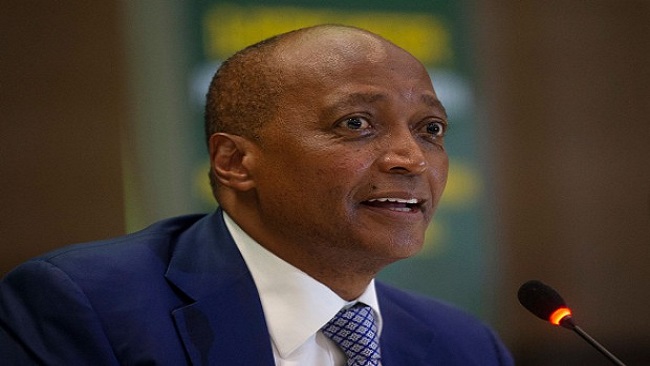 2025 Africa Cup of Nations: Patrice Motsepe should go and go now!
 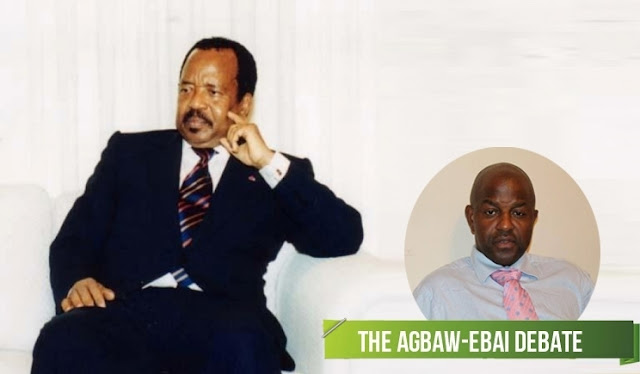 Changes in the Senate and National Assembly: who becomes next head of state?
Most Commented Posts
 4 Anglophone detainees killed in Yaounde
18 comments Chantal Biya says she will return to Cameroon if General Ivo Yenwo, Martin Belinga Eboutou and Ferdinand Ngoh Ngoh are sacked
13 comments The Anglophone Problem – When Facts don’t Lie
12 comments Anglophone Nationalism: Barrister Eyambe says “hidden plans are at work”
12 comments Largest wave of arrest by BIR in Bamenda
10 comments
Featured
-
13 Cameroonians selected for the 2026 cohort of Tony Elumelu Foundation Program
-

Iran says American military structure in West Asia has ‘collapsed’
-
Yaoundé: Trade ministers gather for make-or-break WTO reform talks
-
Cameroonian, Chinese FMs exchange congratulations on 55th anniversary of ties
-

World Bank Group statement on the conflict in the Middle East
-

Anglophone Vice President: a deeply counterproductive idea
-
Netanyahu’s spokesperson resigns after leaked audio reveals scathing criticism
8, March 2019
Francophone Crisis: Yaounde High Court Refuses to Release Opposition Figures 0
High Court refused to release opposition leader Maurice Kamto, as well as six of his supporters, who were arrested in January on politically motivated charges.
The Mfoundi High Court, located in Cameroon’s political capital, Yaoundé, made this decision following a habeas corpus request filed by the detainees’ defence lawyers.
Kamto and his party, the Cameroon Renaissance Movement (CRM), claim they won the country’s 2018 elections, although the official results say the current President Paul Biya – in power for 36 years – won the vote.
They were detained as a part of a massive government crackdown on demonstrations and political activities, including the arrest over 200 people on January 26. Since then, political activists have been regularly threatened and harassed.
Kamto and his six supporters are charged with a number of offenses linked to their rejection of the election results, including hostility against the homeland and threats to public order and rebellion.
These arrests highlight the tightening political space in Cameroon as well as the impunity with which police can disregard the law.
Kamto was arrested without a warrant on January, 28 in Douala and held for 15 days at the headquarters of the Special Operations Groups (Groupement spécial d’opérations, GSO), which is not gazetted as a detention facility for those awaiting trial.
Célestin Djamen, a member of Kamto’s party, was arrested at the hospital where he was recovering after police shot him in the leg during a January 26 demonstration. He was held for 15 days at the Secrétariat d’Etat à la Défense (SED) which also is not meant to hold people in police custody.
Lawyers for Kamto say that they were unable to access their client for two days, in violation of the Cameroonian law. A lawyer for Djamen said he did not see his client for 15 days.
Kamto and the other detainees were only presented before the prosecutor 15 days after their arrest, in violation of the Cameroon Criminal Procedure Code. Moreover, despite being civilians, they are being tried in a military court. This means there are real questions about the legality of the court itself.
These arrests appear to be a politically motivated move to curtail dissent, and what’s happened so far calls into questions Kamto’s ability to get a fair trial. Cameroonians – political opponents or not – should be able to expect that officials will uphold the law, not flagrantly violate it.
HRW.ORGNEWS