Featured
 World Bank Group statement on the conflict in the Middle East
  Anglophone Vice President: a deeply counterproductive idea
  Ambazonia Crisis: latest on Sisiku Ayuk Tabe’s arrest, trial and conviction
 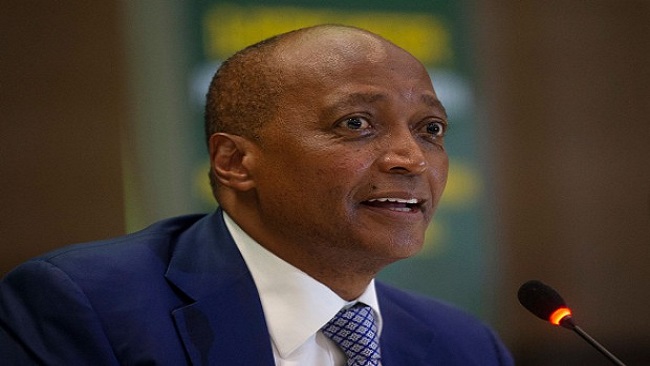 2025 Africa Cup of Nations: Patrice Motsepe should go and go now!
 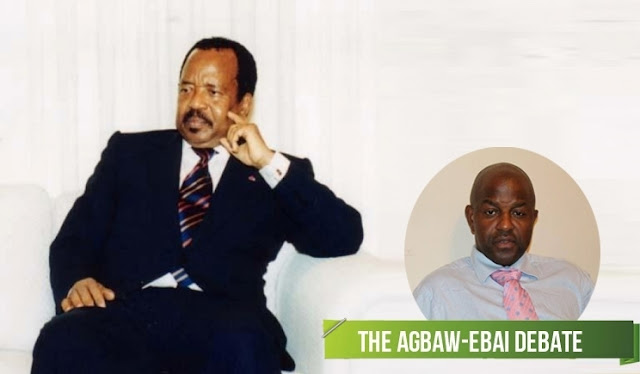 Changes in the Senate and National Assembly: who becomes next head of state?
Most Commented Posts
 4 Anglophone detainees killed in Yaounde
18 comments Chantal Biya says she will return to Cameroon if General Ivo Yenwo, Martin Belinga Eboutou and Ferdinand Ngoh Ngoh are sacked
13 comments The Anglophone Problem – When Facts don’t Lie
12 comments Anglophone Nationalism: Barrister Eyambe says “hidden plans are at work”
12 comments Largest wave of arrest by BIR in Bamenda
10 comments
Featured
-
13 Cameroonians selected for the 2026 cohort of Tony Elumelu Foundation Program
-

Iran says American military structure in West Asia has ‘collapsed’
-
Yaoundé: Trade ministers gather for make-or-break WTO reform talks
-
Cameroonian, Chinese FMs exchange congratulations on 55th anniversary of ties
-

World Bank Group statement on the conflict in the Middle East
-

Anglophone Vice President: a deeply counterproductive idea
-
Netanyahu’s spokesperson resigns after leaked audio reveals scathing criticism
31, May 2019
Nigerians shocked by speech-less start to Buhari’s second term 0
Nigeria’s president Muhammadu Buhari surprised many when he did not deliver a speech at his inauguration on Wednesday.
The 76-year-old former military leader faces a long list of challenges, including combating a sluggish economy, high unemployment and a decade-old Islamic insurgency.
Buhari will need to create jobs if he is to turn around the country’s fortunes over the next four years. Nearly a quarter of the workforce is unemployed and most of its 190 million people live on less than $2 a day.
“Our expectation is that Mr President will now focus more on the issue of security, employment and agriculture because these are the core areas,” said Basil Ejidike, who chairs the APC in southern Anambra state.
Reactions to inauguration
Some social media users were critical of the absence of a speech. Software developer Tosin Olugbenga called it was a “missed opportunity”.
“It is an opportunity for the president to speak to Nigerians and give further assurance of his commitment to a better Nigeria,” he said in a tweet.
A nation in trance
Buhari now has a second chance to turn campaign promises into policies aimed at stimulating economic growth.
Nigeria’s economy grew by 1.93% last year, its fastest pace since the recession. Growth of 2.1% is forecast by the International Monetary Fund (IMF) for this year, though that would be among the slowest rates in Africa.
Tackling insecurity across much of the country is already a priority. The military is fighting jihadist group Boko Haram and an offshoot linked to Islamic State in the northeast, while contending with communal violence over grazing land in central states.
A separate surge of bandit attacks and other violence in the northwest has forced 20,000 to flee to neighbouring Niger since April, the U.N. refugee agency said on Tuesday.
REUTERS