Featured
 Ambazonia Crisis: latest on Sisiku Ayuk Tabe’s arrest, trial and conviction
 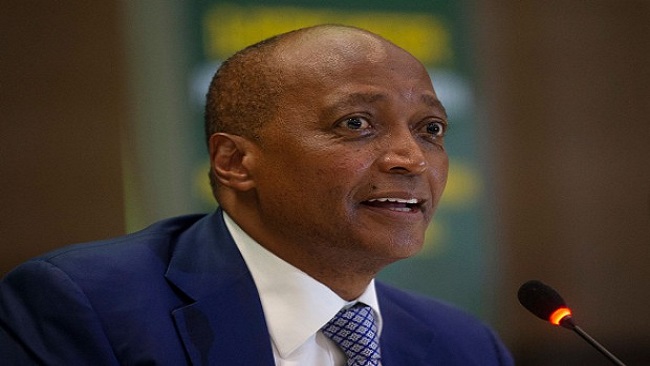 2025 Africa Cup of Nations: Patrice Motsepe should go and go now!
 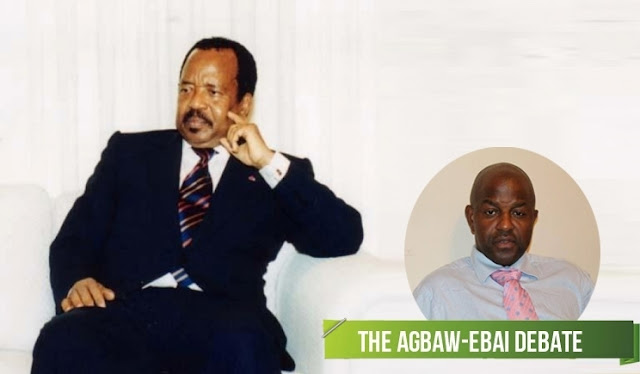 Changes in the Senate and National Assembly: who becomes next head of state?
 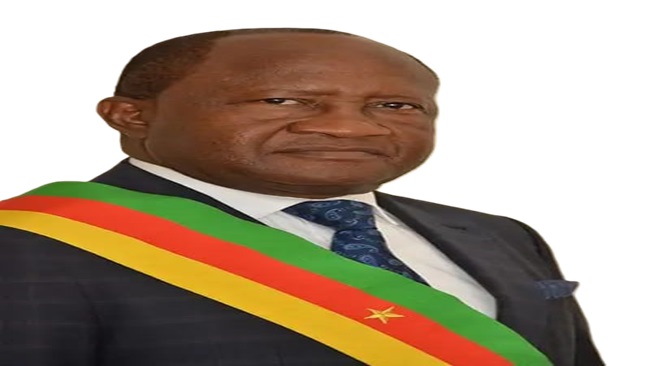 Yaoundé: Hon. Theodore Datoua is new Speaker of the National Assembly
  Ambazonia Interim Gov’t reacts to Pope Leo’s visit
Most Commented Posts
 4 Anglophone detainees killed in Yaounde
18 comments Chantal Biya says she will return to Cameroon if General Ivo Yenwo, Martin Belinga Eboutou and Ferdinand Ngoh Ngoh are sacked
13 comments The Anglophone Problem – When Facts don’t Lie
12 comments Anglophone Nationalism: Barrister Eyambe says “hidden plans are at work”
12 comments Largest wave of arrest by BIR in Bamenda
10 comments
Featured
-
Senegal’s President to visit Spain, migration among key issues
-
Iran will obliterate energy infrastructure in region if its power plants attacked
-

Football: Arsenal is keen to sign Cameroonian teenager
-
Iran says 55 enemy targets go up in smoke as it unleashes 70th wave of Op. True Promise 4
-

CPDM Crime Syndicate: regime delays parliamentary elections, lawmakers to stay until end 2026
-

Iran debuts multi-warhead ‘Nasrallah’ missile to strike Israel’s oil refineries
-

Smarter Water Use Could Feed 10 Billion and Create Nearly 250 Million Jobs
25, June 2018
Nine EU nations set to formalize a joint military intervention force 0
The French defense chief says nine European Union countries are set to formalize a plan for the creation of a joint European military intervention force, which would have the backing of Britain following its exit from the 28-nation bloc.
Representatives of the EU countries—France, Germany, Belgium, Britain, Denmark, the Netherlands, Estonia, Spain and Portugal—will meet in Luxembourg later on Monday to sign a letter of intent on the issue, Florence Parly said in an interview with Le Figaro.
The plan, which was launched last year by French President Emmanuel Macron, involves “joint planning work on crisis scenarios that could potentially threaten European security,” according to a source close to the minister.
The force is intended to be rapidly deployable to deal with those situations, including natural disasters, intervention in a crisis or evacuation of people.
The joint military force would be separate from other EU defense cooperation and will operate independently of the union.
Germany, which was initially reluctant to join the military plan, announced earlier this month that it would support it.
The new government in Italy “is considering the possibility of joining” but has not made a final decision yet, said the French minister. The former government had shown interest in the plan.
In December 2017, 25 EU states inked a major military deal, under which they agreed to cooperate in various projects, but it is not clear whether London would be allowed to take part in any of them once it leaves the bloc.
Britain, Europe’s biggest military power along with France, will no longer be allowed to operate within the union after its separation from the bloc.
The United Kingdom voted to leave the EU by a margin of 51.9 percent to 48.1 percent in a referendum held on June 23, 2016. It is now involved in a complicated debate with the EU for the separation.
Source: Presstv