Featured
 Pope Leo XIV in Cameroon-The “Ambazonia crisis” in Southern Cameroons
 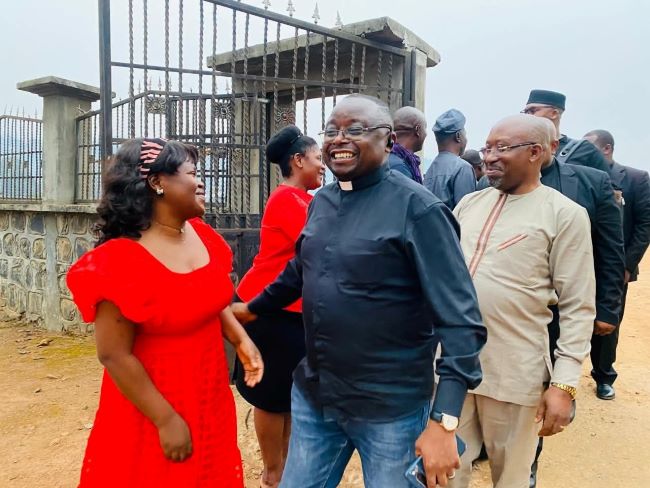 New Testament pastors in the Presbyterian Church in Cameroon
  World Bank Group statement on the conflict in the Middle East
  Anglophone Vice President: a deeply counterproductive idea
  Ambazonia Crisis: latest on Sisiku Ayuk Tabe’s arrest, trial and conviction
Most Commented Posts
 4 Anglophone detainees killed in Yaounde
18 comments Chantal Biya says she will return to Cameroon if General Ivo Yenwo, Martin Belinga Eboutou and Ferdinand Ngoh Ngoh are sacked
13 comments The Anglophone Problem – When Facts don’t Lie
12 comments Anglophone Nationalism: Barrister Eyambe says “hidden plans are at work”
12 comments Largest wave of arrest by BIR in Bamenda
10 comments
Featured
-

Etoudi plans constitutional reform to create vice president role
-
Russia conducts massive rolling aerial attacks on Ukraine
-
Cameroon, Switzerland sign MoU positioning Obala Institute as Central Africa Agri-Research Hub
-

Iran’s military vows to continue war until US, Israel ‘regret’ aggression
-

Cameroon Football: Ebwelle Bertin takes charge to revive Panthère du Ndé
-

Pope Leo XIV in Cameroon-The “Ambazonia crisis” in Southern Cameroons
-

New Testament pastors in the Presbyterian Church in Cameroon
17, April 2019
Nobel Peace Prize winner calls for end of hostilities in Southern Cameroons 0
Leymah Roberta Gbowee, 2011 Noble Peace Prize winner, Liberian female peace activist, on Tuesday called for ending of disputes in Cameroon’s two English-speaking regions that have been ravaged by war in the last two years.
“As someone who has survived war and has lived through it, I will tell Cameroonians, war has never been the answer to solving any kind of problem. My message to Cameroon is that it should never be Anglophone or Francophone, it should be one Cameroon, one people.” Gbowee told reporters in the capital Yaounde after meeting with government officials.
She said that she had spent three days in the restive regions urging for an end to the war and intensifying efforts to defend the rights of women and girls in the conflict zone.
“It is the women and girls who pay the brunt of it. There is always increase in sexually transmitted diseases, rape and abuse and teen pregnancies.” Gbowee said, citing the example of her country, Liberia which she said should serve as an example for Cameroon that nobody wins war.
“We (Liberia) went through a very devastating civil war where we killed almost 10 percent of our population and the impact is still been felt by the population. There are no winners in any kind of crisis. It takes generations for the pains to go away,” she said.
Cameroon is largely populated by French-speakers, but since November 2017, Anglophone minority have formed armed groups to fight for the independence of the English-speaking regions after complaining of decades of marginalization.
Source: Xinhuanet