Featured
 Ambazonia Crisis: latest on Sisiku Ayuk Tabe’s arrest, trial and conviction
 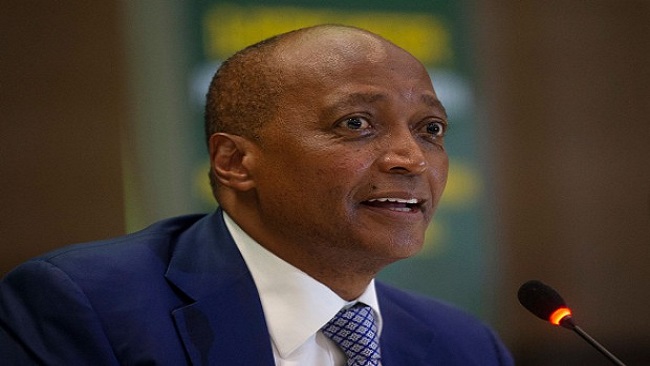 2025 Africa Cup of Nations: Patrice Motsepe should go and go now!
 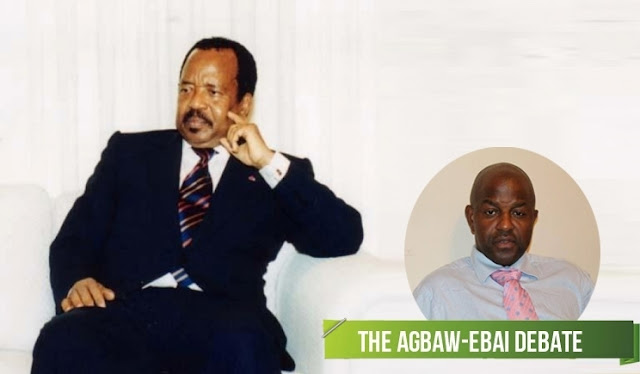 Changes in the Senate and National Assembly: who becomes next head of state?
 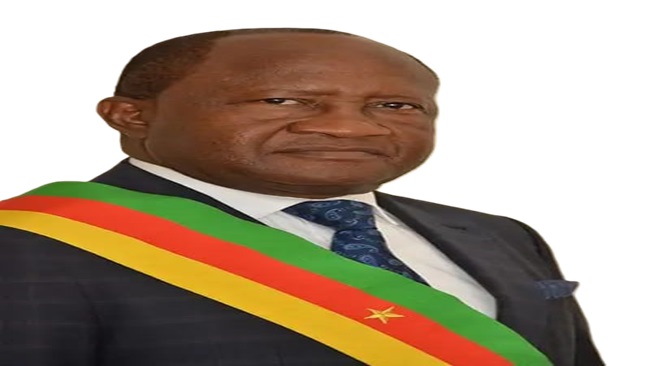 Yaoundé: Hon. Theodore Datoua is new Speaker of the National Assembly
  Ambazonia Interim Gov’t reacts to Pope Leo’s visit
Most Commented Posts
 4 Anglophone detainees killed in Yaounde
18 comments Chantal Biya says she will return to Cameroon if General Ivo Yenwo, Martin Belinga Eboutou and Ferdinand Ngoh Ngoh are sacked
13 comments The Anglophone Problem – When Facts don’t Lie
12 comments Anglophone Nationalism: Barrister Eyambe says “hidden plans are at work”
12 comments Largest wave of arrest by BIR in Bamenda
10 comments
Featured
-
Ambazonia Crisis: latest on Sisiku Ayuk Tabe’s arrest, trial and conviction
-
No tickets will be sold for Pope Leo XIV’s masses in Cameroon
-
President Putin condoles with Iran’s Leader over Dr. Larijani’s martyrdom
-
2025 Africa Cup of Nations: Patrice Motsepe should go and go now!
-
Changes in the Senate and National Assembly: who becomes next head of state?
-

Mafia: Morocco awarded Afcon title after CAF overturns result
-
Yaoundé: Customs launches mobile device duty system to recover lost revenue
28, November 2020
Southern Cameroons Crisis: Religious leaders reflect on the cost of the conflict and how to resolve it 0
“We the Religious Leaders of Cameroon acknowledge our neutrality and impartiality while reserving our rights to point out what is right or wrong in any conflict situation, decided to make the following declarations,” they said.
Cameroon’s 27 million people have two official languages—English and French—but the people in the two linguistic groups are divided, adding to the nation’s woes and for the concerns of its church leaders. They also face another affliction—violent extremist groups such as Boko Haram.
The conference agreed that the Cameroon government should consider the possibility of “a mediated end” to the crisis in the English-speaking western provinces of the country, as the only option to end this senseless armed conflict.
They declared their readiness as religious leaders of Cameroon to use their institutions and means to “objectively, faithfully, fearfully and lovingly assist, if not play a front role to bring about a just and peaceful end to the armed conflict ravaging Anglophone Cameroon and other major national crises.”
By Haggai Fung Achuo