Featured
 44 years of Biya: a nation held hostage by unanswered questions
 Parliamentary and Municipal Elections: Cameroon needs a new president not another election cycle
 Federal Republic of Ambazonia: APLA demands release of Sisiku Ayuk Tabe
 Biya, how long must Cameroon wait for a new director-general at SNH?
 Sasse Old Boys: A call for conscience, integrity and responsible leadership
Most Commented Posts
 4 Anglophone detainees killed in Yaounde
18 comments Chantal Biya says she will return to Cameroon if General Ivo Yenwo, Martin Belinga Eboutou and Ferdinand Ngoh Ngoh are sacked
13 comments The Anglophone Problem – When Facts don’t Lie
12 comments Anglophone Nationalism: Barrister Eyambe says “hidden plans are at work”
12 comments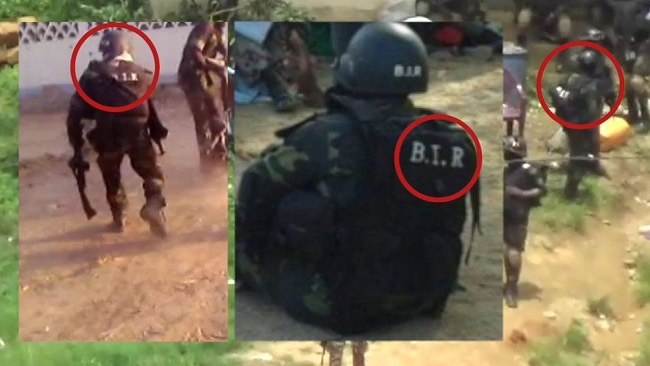 Largest wave of arrest by BIR in Bamenda
10 comments
Featured
-
44 years of Biya: a nation held hostage by unanswered questions
-

Southern Cameroons Crisis: Dr Dabney Yerima is APLA Special Envoy
-

Dublin-Rome plane diverted as 20 European flights hit by bomb hoaxes
-

Parliamentary and Municipal Elections: Cameroon needs a new president not another election cycle
-
Midterm Elections: Iran handed Trump ‘political defeat’
-
Tchiroma stands by election boycott announced before party’s suspension
-
Southern Cameroons report 987 kidnappings as crisis disrupts trade and farming
26, November 2017
Thousands rally in Europe to decry slavery in Libya 0
Thousands of protesters have taken to the streets in different European capitals for a second day to express anger at the practice of slavery in Libya.
People in the Swedish capital of, Stockholm, gathered in Sergels Torg Square on Saturday to demand an immediate end to slavery, holding signs reading “Stop the slavery, now, now, now” and “Human rights for all,” as they chanted slogans.
More than 50 people were arrested during similar protests in Brussels, the Belgian capital. Violence erupted in that protest when a group of protesters broke away and attacked police, also ransacking shops and hurling projectiles at police, who responded by using water cannon.
Meanwhile, hundreds of members of the African community in the German capital of Berlin rallied outside the Libyan Embassy to express their anger. The demonstrators demanded an end to the enslavement, torture, rape, and murder of black people in the North African country.
An Ethiopian demonstrator, Gizaw, said, “To stop this situation German [sic] has to intervene, EU has to intervene, England, Britain has to intervene and stop financing these criminals in Libya.”
The protests came a day after demonstrators in Paris and Rome held rallies in front of the Libyan embassies in those cities.
The French demonstrators denounced their country’s military role in the Libyan uprising in 2011, when the then-French president Nicolas Sarkozy pushed for military strikes in Libya.
The protests was prompted by a CNN video report, released last week, which showed sub-Saharan Africans being sold at slave auctions for as little as $400.
After widespread outrage, Libyan Deputy Prime Minister Ahmed Metig vowed, in a statement posted on Facebook, that his UN-backed Government of National Accord (GNA) would investigate the “slave market” allegations in the North African country.
Libya has faced a power vacuum since a NATO military intervention resulted in the downfall of its longtime dictator, Muammar Gaddafi in 2011. Since then, the country has been grappling with chaos and the emergence of numerous militant groups, including the Daesh terrorist group.
(Source: Agencies)