Featured
 World Bank Group statement on the conflict in the Middle East
  Anglophone Vice President: a deeply counterproductive idea
  Ambazonia Crisis: latest on Sisiku Ayuk Tabe’s arrest, trial and conviction
 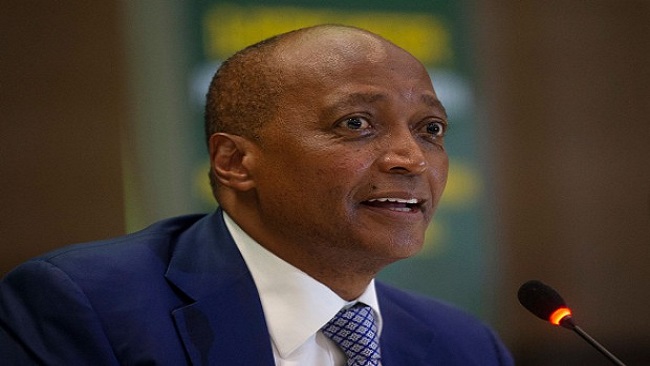 2025 Africa Cup of Nations: Patrice Motsepe should go and go now!
 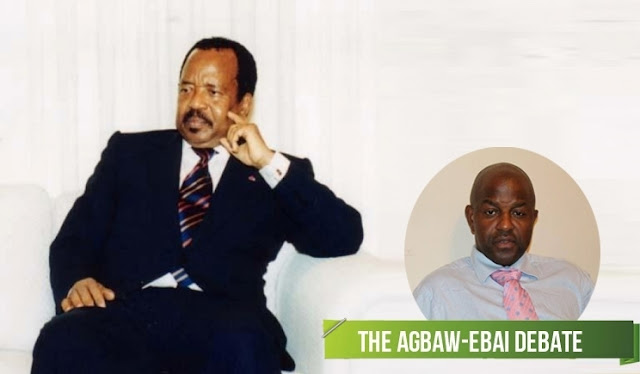 Changes in the Senate and National Assembly: who becomes next head of state?
Most Commented Posts
 4 Anglophone detainees killed in Yaounde
18 comments Chantal Biya says she will return to Cameroon if General Ivo Yenwo, Martin Belinga Eboutou and Ferdinand Ngoh Ngoh are sacked
13 comments The Anglophone Problem – When Facts don’t Lie
12 comments Anglophone Nationalism: Barrister Eyambe says “hidden plans are at work”
12 comments Largest wave of arrest by BIR in Bamenda
10 comments
Featured
-
13 Cameroonians selected for the 2026 cohort of Tony Elumelu Foundation Program
-

Iran says American military structure in West Asia has ‘collapsed’
-
Yaoundé: Trade ministers gather for make-or-break WTO reform talks
-
Cameroonian, Chinese FMs exchange congratulations on 55th anniversary of ties
-

World Bank Group statement on the conflict in the Middle East
-

Anglophone Vice President: a deeply counterproductive idea
-

Netanyahu’s spokesperson resigns after leaked audio reveals scathing criticism
5, February 2019
UN spokesman calls for increasing humanitarian aid for Nigerian refugees in Cameroon 0
UN agencies and their humanitarian partners need to increase aid to Nigerian refugees in neighbouring Cameroon, Stephane Dujarric, the chief UN spokesman said on Monday.
“The response needs to be scaled up significantly to cope with the influx of people, with many refugees reluctant to return to Nigeria’s Rann area or any other camp in Ngala without assurances of their safety and security,” he said.
“Aid workers are working with authorities to protect the refugees’ right to asylum and to relocate them to safer areas away from the border,” Dujarric told reporters at a regular briefing.
He said that Allegra Baiocchi, the Humanitarian Coordinator for Cameroon, and representatives from the UN Refugee Agency (UNHCR) and local authorities, visited the Goura refugee site in the far north of Cameroon, adjacent to northeast Nigeria where government troops have been clashing with terrorist groups.
Some 35,000 Nigerian refugees have fled into Cameroon. “Aid organizations are providing food, shelter and water and sanitation, among other services,” Dujarric said.
“At the end of January, the World Food Program (WFP) began distributing food for 13,500 Nigerian refugees,” he said, adding that the 2019 Humanitarian Response Plan for Cameroon seeks financial aid to assist 2.3 million vulnerable people.
Xinhua