Featured



Most Commented Posts
 4 Anglophone detainees killed in Yaounde
18 comments Chantal Biya says she will return to Cameroon if General Ivo Yenwo, Martin Belinga Eboutou and Ferdinand Ngoh Ngoh are sacked
13 comments The Anglophone Problem – When Facts don’t Lie
12 comments Anglophone Nationalism: Barrister Eyambe says “hidden plans are at work”
12 comments Largest wave of arrest by BIR in Bamenda
10 comments
Featured
-

Mafia: Morocco awarded Afcon title after CAF overturns result
-

Yaoundé: Customs launches mobile device duty system to recover lost revenue
-

‘100 Israeli targets struck’ as Iran avenges Dr. Larijani’s martyrdom
-

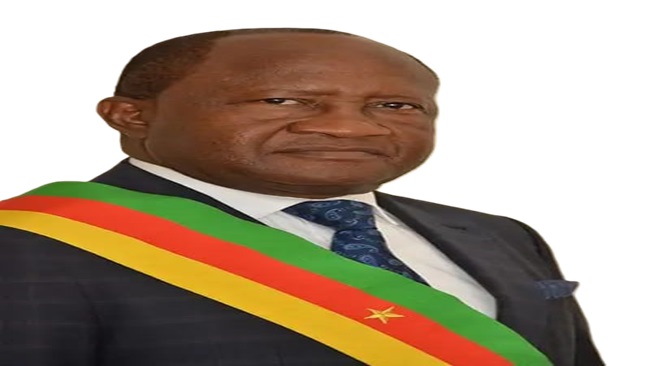
The Lamido of Rey Bouba is new Senate President
-

Yaoundé: Hon. Theodore Datoua is new Speaker of the National Assembly
-

Iran launches 58th wave of retaliatory strikes using precision, heavy missiles
-

Cameroon’s National Assembly: Cavaye Djibril to be replaced
18, March 2026
Yaoundé: Customs launches mobile device duty system to recover lost revenue 0
Cameroon’s Directorate General of Customs (DGC) has activated a new electronic mechanism for collecting import duties on mobile phones, tablets and other mobile devices, effective 16 March 2026, after customs revenue from these goods collapsed from 12 billion CFA francs to about 100 million CFA francs over a relatively short period.
The system was launched during a briefing in Yaoundé presided over by Director General Fongod Edwin Nuvaga, bringing together major importers of mobile devices to present the new collection architecture ahead of its go-live date.
According to Customs, the reform is based on Article 7 of the 2019 Finance Law, which established an electronic mechanism for collecting duties on imported mobile terminals. A first implementation attempt in 2020 met with resistance and was shelved, before the mechanism was reintroduced following a successful test phase.
Importers liable, mobile money payments
Under the new framework, the legal taxpayer is the importer, not the consumer. Payments will be made via Mobile Money, Orange Money and other secure digital payment platforms, replacing the previous system based on communication credit.
Mobile operators will no longer collect and remit customs duties. Their role is now limited to blocking and unblocking devices within the new system.
Paul Olivier Libii, senior inspector at the DGC’s Division of Legislation and Disputes, detailed the system’s technical architecture, which connects three platforms: Camcis, the customs management system; a partner platform dedicated to device information management; and mobile operators’ operating systems.
“From the moment of importation, upload to the manifest all IMEI numbers of the devices you are importing; the manifest is then transferred electronically to Camcis. Once in the country, you validate a customs declaration, which will be automatically retrieved by the platform, which then analyses the IMEI numbers you uploaded,” Libii said.
Amnesty for active devices, regularisation for stock
Devices that had connected at least once to the networks of MTN, CAMTEL or Orange before 16 March 2026 are exempt from the new mechanism and benefit from fiscal amnesty.
However, devices in stock that had not connected to any network by that date must be regularised with the nearest customs office. Importers have two months to submit IMEI files for these devices, along with documents confirming regular customs clearance.
The framework for handling pending cases was outlined by Marcelin Djeuwo, Head of the DGC’s IT Division, during the briefing.
Libii described the system as a tool to enhance transparency, ensure fiscal compliance, reduce risks related to money laundering and terrorist financing, and protect the economy against fraud and contraband. The reform is also expected to modernise customs administration and sanitise the mobile device market.
Eight categories of mobile phones have been identified under the new framework, with the DGC indicating it remains open to additional proposals. Major importers present at the briefing expressed support for the reform, while Customs noted that the system’s success will depend on the buy-in of all stakeholders and targeted actors.
Source: Business in Cameroon