23, February 2026
Mount Cameroon Race of Hope champions peace in Southern Cameroons 0
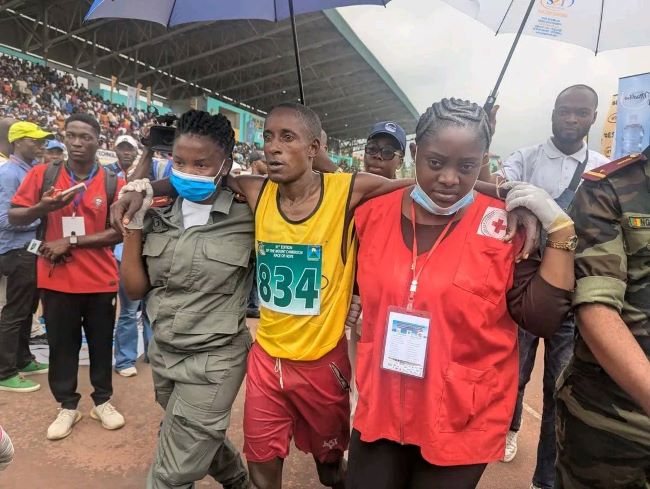
When Hamadou Bi Ibrahim crossed the finish line to secure a victory in Cameroon’s iconic mountain race, the crowd erupted into thunderous applause.
The 38-year-old runner was among more than 600 participants, including 22 foreign competitors, who took on the challenge of scaling the highest mountain in West and Central Africa during the Mount Cameroon Race of Hope over the weekend.
First held in 1973, the race combines the demands of a marathon with the challenges of a mountain climb. The course requires runners to ascend to the summit and then retrace the same demanding route back to the starting point at Molyko Stadium. Participants have to brave temperatures that range from 28 degrees Celsius at the base to near freezing at the 4,100-meter summit.
For Ibrahim, the win marked years of perseverance on the demanding course. “I am very pleased and proud to win this race. It is a difficult race, especially when climbing the mountain,” Ibrahim said.
Beyond personal glory, Ibrahim said he was encouraged by the race’s efforts to promote harmony, understanding and nonviolence.
Hailing from the village of Awing in the conflict-affected Northwest Region, he traveled hundreds of miles to participate. “Coming here and taking part in this race gives us hope for peace and stability,” he said.
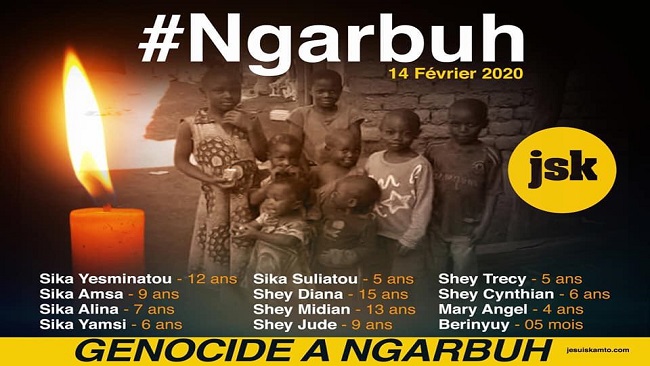
For years, Cameroon’s Southwest and Northwest regions have been struggling in an armed separatist conflict. The capital of the Southwest Region, Buea, where the race takes place, has seen separatist activity. In 2023, multiple explosions during the event injured 19 athletes.
This year, however, the atmosphere was markedly peaceful. John Berinyu, who arrived early in the morning to watch the race, said: “This race is a complete success. Unlike in previous editions, where people were afraid of bombings, lockdowns and shootings, the population came out in their numbers to witness the event.”
“There were no explosions, no shootings. It is a good sign. We sincerely hope that this peaceful atmosphere will continue,” Berinyu hinted.
On the eve of the race, hundreds of people gathered at Molyko Stadium for festivities highlighting Cameroon’s rich cultural diversity. Among them was Vanessa Njie.
“This cultural event is my favorite part of the race. It brings Cameroonians together, and we forget our differences and just live like humans, like a country in peace. This race is helping us take a breather from daily violence,” Njie said.
For authorities, the race underscored the vital role sport can play in fostering reconciliation among divided communities.
As in previous years, the event carried the theme “Give Peace a Chance” to promote peace and forgiveness, said Narcisse Mouelle Kombi, Cameroon’s minister of sports and physical education, who presided over the race.
“Peace is precious. We will continue to ask young people to embrace peace. This year was a resounding success. The peaceful ending of this race means that Cameroonians in the Southwest have demonstrated their love for peace and unity of the country,” Kombi said.
Culled from Xinhuanet



















25, February 2026
Conflict exacerbates economic crisis in Cameroon 0
Conflict perpetrated by separatists and Islamist insurgents is triggering an economic crisis in Cameroon.
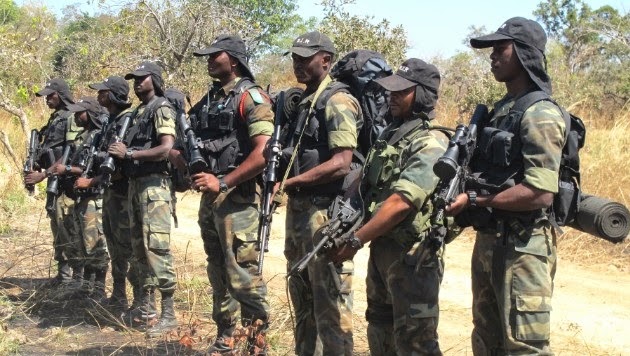
This is most severe in the Northwest and Southwest regions, where militants are agitating for self-rule, and the Northern region, where Islamists have for years carried out terror attacks.
The Famine Early Warning Systems Network (FEWS NET) reports that persistent conflict and insecurity continue to disrupt livelihoods and restrict household food availability and access.
Staple grain and bean prices are currently 10 percent to 25 percent higher than last year and 20 percent to 50 percent above the five-year average.
Staple food prices across much of the country remain elevated, trending moderately to significantly above the five-year average, driven by reduced supplies from conflict affected areas, high transport and fuel costs, and elevated shipping expenses for imported foods.
FEWS NET reports that in January, the average price of imported rice was C₣650 (US$1,17) /kilogram in Yaoundé and Douala, representing an 18percent to 20 percent increase compared to the five-year average.
Prices are projected to seasonally increase further during the March-May lean season.
The Armed Conflict Location and Event Data Project (ACLED) data indicates that attacks by Islamist militants against rural communities remained elevated throughout 2025 and have continued into 2026.
The prolonged insurgency continues to severely undermine agricultural and livestock production, which is the primary livelihoods for poor households, further constraining food availability and income-earning opportunities.
Food security outcomes in conflict-affected divisions of the Far North are projected to deteriorate between February and May 2026.
“This decline will be driven by the early depletion of already-limited household food stocks, low household incomes constraining the purchase of staple foods, persistent insecurity, ongoing displacement and weakened coping capacities,” FEWS NET stated.
The agency noted that despite forecasted favorable rainfall, ongoing conflict, escalating violence against civilians and widespread insecurity continued to limit field access in several parts of the Northwest and Southwest regions, limiting cultivation and undermining overall production prospects.
In these regions, separatists are agitating for self-rule, alleging marginalization of English-speaking communities by the government, dominated by French speakers.
The 2025 re-election of President Paul Biya, for an eighth term in a poll critics say was rigged, has worsened matters in the Central African country of over 30 million people.
Source: CAJ News