Featured
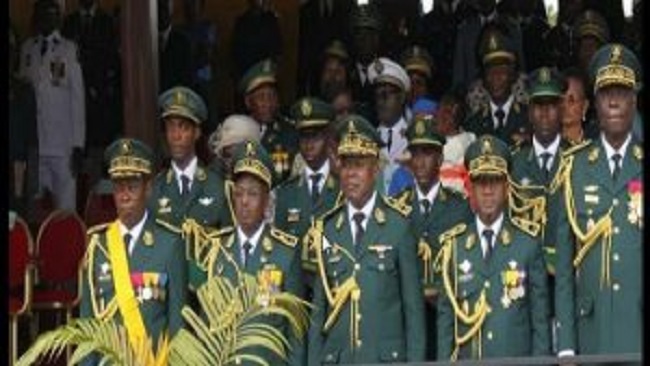 The Cameroonian army must put its conscience to the test
  Who really pushed for the return of the Vice President of the Republic?
  When politics fails a nation, football and the Church become the battleground
  Biya has had his era; Cameroon must now be allowed to enter its next one
  Biya’s hand: a source of glory and shame
Most Commented Posts
 4 Anglophone detainees killed in Yaounde
18 comments Chantal Biya says she will return to Cameroon if General Ivo Yenwo, Martin Belinga Eboutou and Ferdinand Ngoh Ngoh are sacked
13 comments The Anglophone Problem – When Facts don’t Lie
12 comments Anglophone Nationalism: Barrister Eyambe says “hidden plans are at work”
12 comments Largest wave of arrest by BIR in Bamenda
10 comments
Featured
-

Martinez Zogo Trial: questions over missing phone linked to Amougou Belinga
-

Revealed: Colonel Danwe admits ordering Martinez Zogo operation
-
Archbishop Nkea to battle decade of war with new peace Catechism
-

Southern Cameroons Crisis: 7 kidnapped by suspected Amba fighters in Bangourain
-
Southern Cameroons Crisis: 3 killed, 2 injured in bar shooting in Bamenda
-
US military nearing ‘breakdown’ amid sustained Iranian attacks
-
The Cameroonian army must put its conscience to the test
16, November 2017
Central African Republic: UN agrees to deploy extra peacekeepers 0
The United Nations will send an extra contingent of troops to the Central African Republic amid warnings that lack of international support would leave the country at a real risk of ethnic cleansing.
During a Wednesday session of the UN Security Council, member countries unanimously agreed to beef up the UN mission in CAR, which is known as MINUSCA.
The agreement came after negotiations between France, a main foreign power present in CAR, and the US, the biggest financial contributor to UN peacekeeping. That led to a 15-0 vote to extend MINUSCA mandate in Central Africa for one more year and a deployment of 900 extra peacekeeping troops to the country, as requested by UN Secretary-General Antonio Guterres.
Guterres had previously warned that Central Africa was at the brink of an ethnic cleansing if the UN failed to contribute more.
French Ambassador Francois Delattre hailed the decision and said the US approval of an extended mandate was very crucial.
“The Security Council cannot afford to take the risk of allowing the CAR to relapse into a crisis in which it was mired,” Delattre said, adding, “With our American friends, the more the discussions are based on a pragmatic approach, about life-and-death issues, about effects on the ground, the better.”
France intervened in CAR in 2013 to push back Seleka rebel alliance that had toppled longtime leader Francois Bozize. However, the country has seen widespread violence since then as various groups continue to vie for power across provinces.
MINUSCA’s chief resigned in 2015 in the face of rising allegations of sex abuse against the UN peacekeepers, further complicating the situation of foreign troops in the country.
Source: Presstv