Featured
 Biya, how long must Cameroon wait for a new director-general at SNH?
 Sasse Old Boys: A call for conscience, integrity and responsible leadership
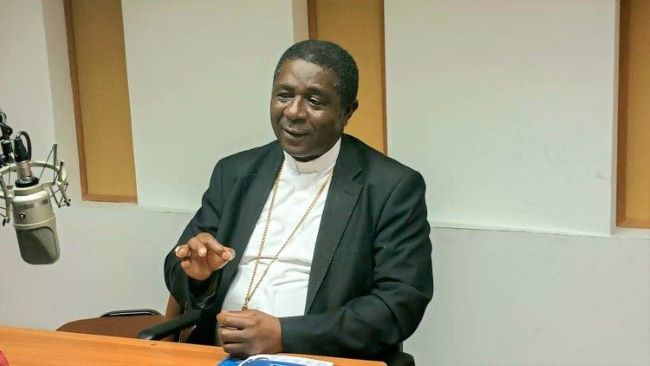 Southern Cameroons Crisis: Archbishop Nkea reflects on the toll of war
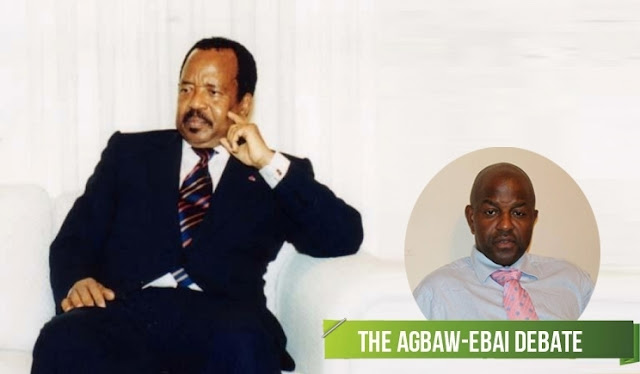 Mr Biya, the time has come for you to step down with dignity
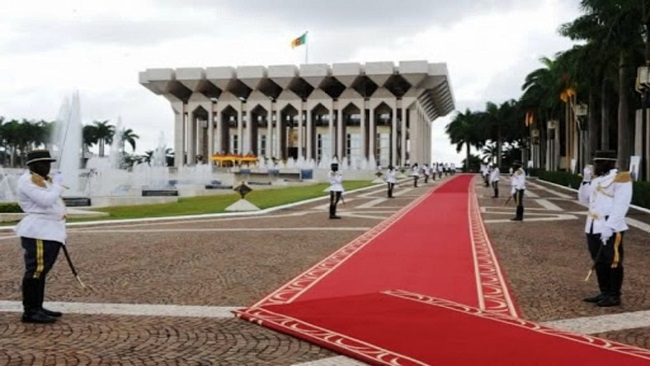 Unity Palace needs a new idea and a new head of state
Most Commented Posts
 4 Anglophone detainees killed in Yaounde
18 comments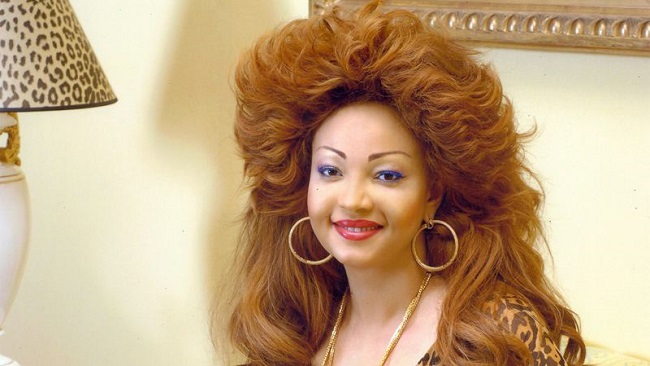 Chantal Biya says she will return to Cameroon if General Ivo Yenwo, Martin Belinga Eboutou and Ferdinand Ngoh Ngoh are sacked
13 comments The Anglophone Problem – When Facts don’t Lie
12 comments Anglophone Nationalism: Barrister Eyambe says “hidden plans are at work”
12 comments Largest wave of arrest by BIR in Bamenda
10 comments
Featured
-

Biya, how long must Cameroon wait for a new director-general at SNH?
-
Unity Palace: Biya, Prince Albert II of Monaco discuss strengthening ties
-
Iran has studied letter from Vance; has no plans to meet US officials
-

SONARA signs fuel supply deal with Nigeria’s Dangote
-

Sasse Old Boys: A call for conscience, integrity and responsible leadership
-

CPDM Crime Syndicate: Atanga Nji suspends Tchiroma’s FSNC for 3 months
-

France is seeking EU sanctions over Russian interference in Cameroon
1, November 2026
Biya, how long must Cameroon wait for a new director-general at SNH? 0
By any measure, the Société Nationale des Hydrocarbures (SNH) is too important to Cameroon’s economic survival to become a theatre of private influence, succession anxieties and uncertainty over who truly exercises authority. The question before President Biya is no longer merely one of personnel. It is one of national responsibility, institutional credibility and the future of a country whose wealth belongs to its people.
The late Barrister Ben Muna said that there comes a moment in the life of a nation when silence becomes more expensive than action, when the preservation of established arrangements begins to raise questions more troubling than the changes those arrangements were intended to prevent. We of the Concord Group are of the opinion that Cameroon may well be approaching such a moment at the Société Nationale des Hydrocarbures.
For decades, the SNH has occupied a strategic position in Cameroon’s financial engineering. It is not a common public corporation. It is the backbone of an extraordinary national resource through which the proceeds of oil and gas exploitation are channeled into the national economy. Its decisions, transactions and leadership arrangements have consequences that reach far beyond its headquarters in Yaoundé. It is therefore difficult to understand why questions surrounding its leadership and succession have continued to attract so much public attention without a sufficiently clear institutional response.
The name of former Justice Minister Adolphe Moudiki has been synonymous with SNH for more than three decades. Adolphe Moudiki’s stewardship has spanned generations of political and economic developments. But institutions cannot be built around the permanence of one individual. They must be stronger than the people who lead them. And therein lies the fundamental question.
When the leadership of a strategic public institution such as the SNH becomes a subject of persistent uncertainty, what happens to accountability? Who answers for major decisions? Who guarantees continuity? Who assures the Cameroonian taxpayer that national resources are being managed strictly in the public interest? These are not Ambazonia Liberation questions. They are questions of statecraft.
The growing attention surrounding Nathalie Moudiki, her positions within the SNH and her reported influence in its internal affairs has further intensified the debate. Africa Intelligence’s October 30, 2026 report describes her as a central figure in the company’s power structure and examines the network of relationships supporting her position.
Such reporting deserves neither automatic acceptance nor casual dismissal. The appropriate response is institutional clarity. Public office must be governed by clearly defined responsibilities, documented authority and transparent accountability. No individual, irrespective of family relationship, professional history or proximity to power, should become a substitute for properly constituted corporate leadership.
This is not an argument against women occupying senior positions. Cameroon has outstanding women with the qualifications, experience and integrity to lead its most important institutions. It is an argument against any arrangement in which personal proximity to authority could be perceived as more consequential than formal responsibility.
Mr Biya, the SNH is not your private estate. Its resources do not belong to you, your family, your ruling CPDM crime syndicate or your so-called generation of officeholders. They belong to the Cameroonian people. That distinction must never become blurred.
At a time when Cameroonians are struggling with the cost of living, unemployment, inadequate infrastructure, unreliable electricity and the daily indignities of economic hardship, the management of the nation’s petroleum wealth deserves extraordinary scrutiny.
The International Monetary Fund’s 2025 assessment of Cameroon’s public finances highlighted significant budgetary challenges involving direct SNH interventions, cash advances and government expenditure. It also called for stronger arrangements governing the transfer of hydrocarbon revenues to the Treasury. These are not insignificant concerns. They demonstrate just how closely the governance of the SNH is connected to the country’s broader fiscal stability. Cameroon cannot afford an institution of such strategic importance to become synonymous with uncertainty.
Biya has the responsibility of ensuring that the institutions of the Republic function beyond individual personalities. So, the question is not whether Adolphe Moudiki deserves recognition for his years of service. History can assess his contribution. The question is whether the current leadership arrangement provides the institutional certainty, accountability and administrative capacity that Cameroon requires today. Cameroon can no longer build a sustainable future by treating succession as an uncomfortable subject.
Leadership transitions are a normal part of responsible governance. They should be anticipated, properly managed and conducted in accordance with the law. They should not become prolonged exercises in uncertainty, speculation and competing circles of influence. The Unity Palace, the SNH board and the relevant public authorities have an important role in ensuring that the institution’s leadership arrangements are clear to the public.
A credible succession process would also protect the dignity of the outgoing leadership, preserve institutional memory and reassure employees, investors and citizens that the company is bigger than any individual.
There is something deeply troubling about Cameroon, a country endowed with natural resources yet continually confronted with questions about the effective management of those resources.
Cameroon has oil. It has natural gas. It has enormous agricultural potential, a strategic geographical position and a hardworking population. Yet millions of citizens continue to ask a simple question: where is the wealth, and why is its impact on their daily lives so difficult to feel?
The answer cannot be reduced to the leadership of one company. Cameroon’s economic challenges are complex and involve several institutions and policy decisions. But the SNH occupies a position that makes its governance particularly consequential.
Every franc generated by the exploitation of national resources must be accounted for. Every major transaction must be subject to appropriate oversight. Every appointment must inspire confidence. Every leadership decision must reinforce, rather than weaken, public trust. Cameroon needs institutions that work, not institutions that merely survive.
Let the Prince of Peace Jesus Christ help me drive this message to Mr Biya that history will not judge a presidency exclusively by the number of years spent in office, the ceremonies organized for Prince Albert of Monaco or the political alliances maintained. It will also ask what happened to the country’s institutions. Did they become stronger? Did they become more transparent? Did they serve the people more effectively? Did public resources translate into better schools, hospitals, roads, electricity and opportunities for young Cameroonians? The SNH is one of those institutions whose future will inevitably form part of that assessment. So, we as a people deserve an honest public conversation about the management of our petroleum revenues.
For those who do not know, Cameroon is bigger than the SNH. The SNH is bigger than its current leadership. And the national interest must always be bigger than the interests of those entrusted with public authority. Cameroon’s oil wealth is finite but its citizen’s expectations are not. The time has come for the nation to confront these questions with seriousness, transparency and a renewed commitment to institutional responsibility.
A nation does not crumble in a single day. Sometimes, it crumbles gradually, when institutions lose public confidence, when accountability becomes uncertain and when the management of national wealth ceases to inspire trust. Cameroon must not allow that erosion to become its inheritance.
By Soter Tarh Agbaw-Ebai