Featured
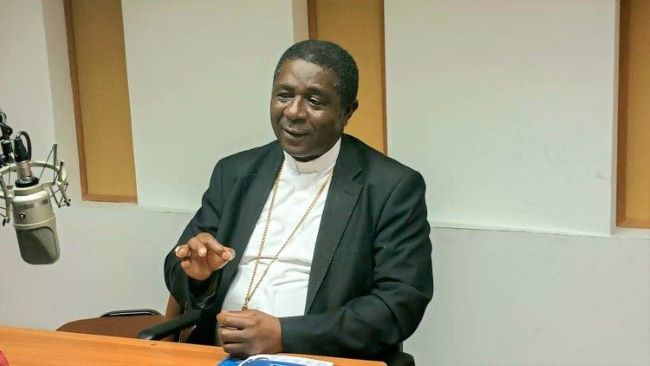 Southern Cameroons Crisis: Archbishop Nkea reflects on the toll of war
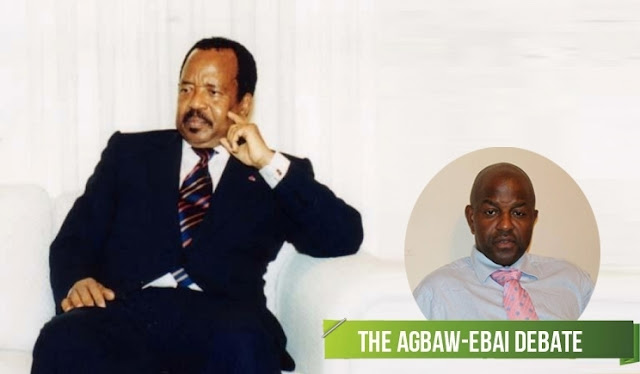 Mr Biya, the time has come for you to step down with dignity
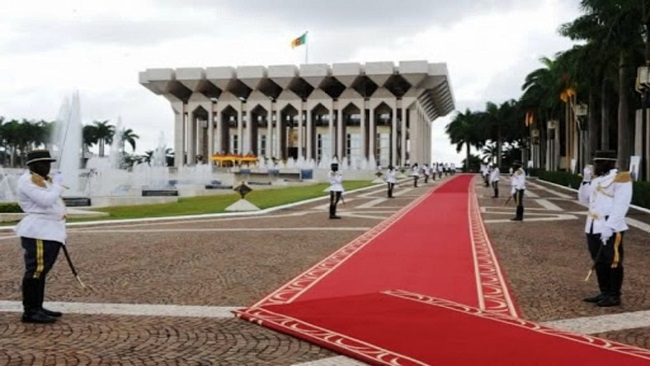 Unity Palace needs a new idea and a new head of state
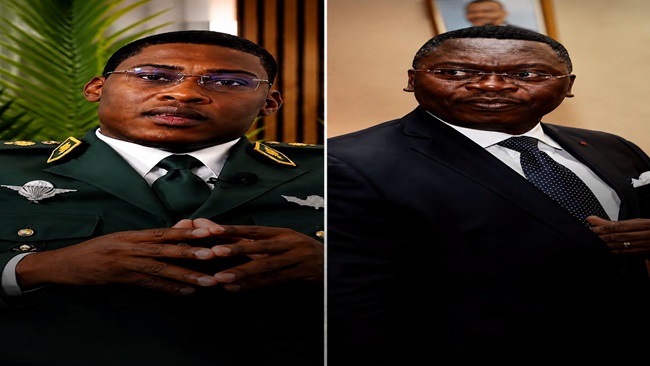 Martinez Zogo Affair: Biya must clean house and make way for a new generation
 Ambazonia People’s Liberation Authority explains motives for the new transition
Most Commented Posts
 4 Anglophone detainees killed in Yaounde
18 comments Chantal Biya says she will return to Cameroon if General Ivo Yenwo, Martin Belinga Eboutou and Ferdinand Ngoh Ngoh are sacked
13 comments The Anglophone Problem – When Facts don’t Lie
12 comments Anglophone Nationalism: Barrister Eyambe says “hidden plans are at work”
12 comments Largest wave of arrest by BIR in Bamenda
10 comments
Featured
-
France is seeking EU sanctions over Russian interference in Cameroon
-
Southern Cameroons Crisis: Archbishop Nkea reflects on the toll of war
-
Southern Cameroons Crisis: 4 civilians, 4 separatists killed in Menchum clashes
-
Edgar Alain Mebe Ngo’o: ex- defense minister blessed with a sudden procedural adjournment
-
Mr Biya, the time has come for you to step down with dignity
-

Harry Kane ends England’s 25-year Ballon d’Or drought
-
Cameroon’s sports betting tax revenue remains unclear
29, October 2026
Southern Cameroons Crisis: Archbishop Nkea reflects on the toll of war 0
by soter • Cameroon, Editorial, Headline News, Religion
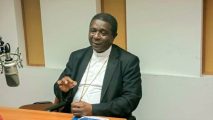
Archbishop Andrew Fuanya Nkea of the Archdiocese of Bamenda, Cameroon, has lamented war’s devastating effects and called on all nations to do everything possible to preserve peace in their countries and communities. His appeal reflects his experience of a decade-old conflict in Cameroon’s English-speaking regions.
In a recent interview with Vatican News in Rome, Archbishop Nkea emphasised that peace, once lost, is difficult to regain. He urged everyone to work hard to preserve peace in their communities and in the world.
“Peace is priceless. Peace is something that you cannot buy with money. Peace is something that when you lose, it is not easy at all to regain, and so with all these, I encourage all those who are in peaceful countries to do everything possible not to lose the peace; and those who are in war-torn countries to work very hard to regain peace in their communities. After all, Jesus Christ is the Prince of Peace,” said the Bamenda prelate, who is also President of the National Episcopal Conference of Cameroon (C.E.N.C.).
The Anglophone Crisis – how it started
Archbishop Nkea recounted how the Anglophone Crisis began in Cameroon: In late 2016, lawyers and teachers in the English-speaking regions led protests to voice concerns about marginalisation by the French-speaking majority.
Cameroon is a bilingual country with two official languages. About 80 per cent of its population speaks French, while the remaining 20 per cent speaks English. For decades, Francophones and Anglophones had lived in ‘relative harmony.’
War and its effects on education
The protests by lawyers and teachers, initially peaceful, soon escalated. By 2017, the Crisis had become an armed conflict between government forces and separatist fighters seeking independence for the English-speaking regions. About ten years later, neither side has achieved a decisive victory. In the meantime, the protracted conflict has taken a heavy toll on human life, caused widespread Internal Displacement, and forced some citizens to flee as refugees.
“For about four or five years, children were all banned from going to school, which was a big big disadvantage to our children,” explained Archbishop Nkea. Nevertheless, he added that schools were gradually reopening, allowing children to return to learning.
Pope Leo XIV’s Catechism of Peace
Archbishop Nkea said Pope Leo XIV’s April 2026 Apostolic Visit to Bamenda greatly boosted efforts to promote peace in the country. The Pope met with religious, traditional, civic and community leaders at St. Joseph’s Cathedral of Bamenda. In his homily at Mass for the faithful of the Archdiocese of Bamenda, the Holy Father reiterated his message of peace.
To preserve the Pope’s message of peace, Archbishop Nkea said he had compiled a new pastoral book inspired by the Pope’s Apostolic Visit to Bamenda.
The book is titled “The Catechism of Pope Leo XIV on Peace.” It contains 100 questions on peace, with answers drawn directly from the speeches and homily that the Pope delivered in Bamenda on 16 April 2026.
Source: Vatican News