Featured
 The role of the diaspora in Cameroon’s development efforts
 44 years of Biya: a nation held hostage by unanswered questions
 Parliamentary and Municipal Elections: Cameroon needs a new president not another election cycle
 Federal Republic of Ambazonia: APLA demands release of Sisiku Ayuk Tabe
 Biya, how long must Cameroon wait for a new director-general at SNH?
Most Commented Posts
 4 Anglophone detainees killed in Yaounde
18 comments Chantal Biya says she will return to Cameroon if General Ivo Yenwo, Martin Belinga Eboutou and Ferdinand Ngoh Ngoh are sacked
13 comments The Anglophone Problem – When Facts don’t Lie
12 comments Anglophone Nationalism: Barrister Eyambe says “hidden plans are at work”
12 comments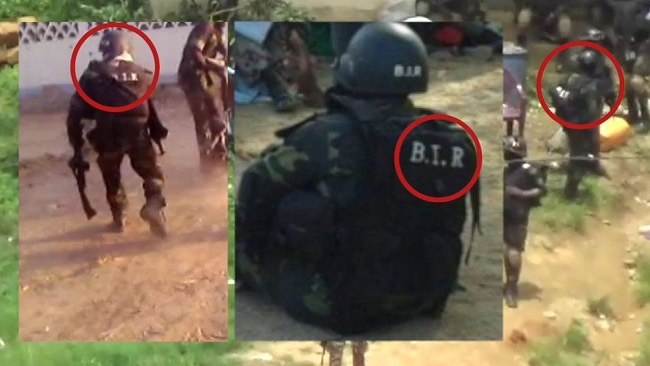 Largest wave of arrest by BIR in Bamenda
10 comments
Featured
-
French billionaire Pierre Castel nears sale of 82% stake in Cameroon sugar firm
-
Tehran will strike US bases in Europe if used to attack Iran
-
Yaoundé: Minister Hamadou Moustapha dies, aged 81
-
Cameroon faces worse power outages in 2027
-

US: Democrat Scott Colom is Mississippi first Black senator
-
CPDM Crime Syndicate: Supreme Court transfers MTN–Danpullo cases from Douala to South Region
-

Southern Cameroons Crisis: APLA announces one-day national lockdown
20, April 2018
King changes Swaziland’s name to ‘Kingdom of eSwatini’ 0
The king of Swaziland, one of the world’s few absolute monarchs, announced on Thursday that his country had changed its name to “Kingdom of eSwatini” to mark 50 years since independence from British rule.
Unlike some countries, Swaziland did not change its name when it gained independence in 1968 after being a British protectorate for more than 60 years.
King Mswati III declared the name change during independence day celebrations at a packed sports stadium in the second city of Manzini.
“African countries on getting independence reverted to their ancient names before they were colonised. So from now on the country will be officially be known as the Kingdom of eSwatini.”
The name Swaziland angers some citizens as it is a mix of Swazi and English.
The king, who was crowned in 1986 aged 18, rules by decree and has often been criticised for his lavish lifestyle despite the grinding poverty suffered by many of his citizens.
Political parties are banned from taking part in elections and only candidates approved by chiefs loyal to the king can stand for office.
The country, which has a population of about 1.3 million people, suffers the highest HIV rate in the world, with 27 percent of adults infected.
The name change could mean that the country’s constitution is re-written, as well as changes for the Royal Swaziland Police Force, the Swaziland Defence Force and the University of Swaziland.
After independence, Rhodesia became Zimbabwe, Nyasaland became Malawi, and Bechuanaland became Botswana.
(AFP)