Featured
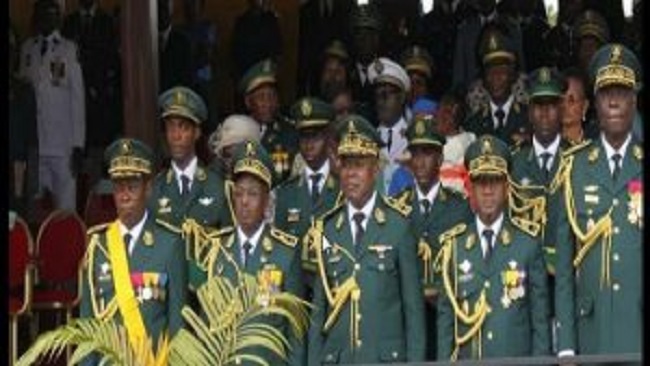 The Cameroonian army must put its conscience to the test
  Who really pushed for the return of the Vice President of the Republic?
  When politics fails a nation, football and the Church become the battleground
  Biya has had his era; Cameroon must now be allowed to enter its next one
  Biya’s hand: a source of glory and shame
Most Commented Posts
 4 Anglophone detainees killed in Yaounde
18 comments Chantal Biya says she will return to Cameroon if General Ivo Yenwo, Martin Belinga Eboutou and Ferdinand Ngoh Ngoh are sacked
13 comments The Anglophone Problem – When Facts don’t Lie
12 comments Anglophone Nationalism: Barrister Eyambe says “hidden plans are at work”
12 comments Largest wave of arrest by BIR in Bamenda
10 comments
Featured
-

Martinez Zogo Trial: questions over missing phone linked to Amougou Belinga
-

Revealed: Colonel Danwe admits ordering Martinez Zogo operation
-
Archbishop Nkea to battle decade of war with new peace Catechism
-

Southern Cameroons Crisis: 7 kidnapped by suspected Amba fighters in Bangourain
-
Southern Cameroons Crisis: 3 killed, 2 injured in bar shooting in Bamenda
-
US military nearing ‘breakdown’ amid sustained Iranian attacks
-
The Cameroonian army must put its conscience to the test
26, April 2018
UN finds five mass graves in Congo amid ethnic violence 0
United Nations investigators have discovered five probable mass grave sites in eastern Congo’s Ituri province where an outbreak of ethnic violence has killed at least 263 people, a UN peacekeeping mission said.
The report from the mission provides the most comprehensive portrait to date of the human cost of months of violence between Lendu pastoralists and Hema herders since December that has caused one of Africa’s most serious refugee crises.
Violence across eastern Congo’s borderlands with Uganda, Rwanda and Burundi has spiked since President Joseph Kabila refused to step aside at the end of his mandate in 2016, eroding state authority and emboldening armed groups.
The mostly Lendu-led attacks have forced more than 60,000 people to flee across Lake Albert into Uganda, and the UN refugee agency expects 200,000 refugees to reach Uganda this year. Tens of thousands of others have fled to other towns inside Congo.
The investigators did not provide details about the suspected mass graves, but said that about 120 towns and villages were pillaged and destroyed between December and mid-March.
According to Hema refugees Reuters interviewed last month in Uganda, Lendu groups typically attack Hema villages shortly after dusk with guns, machetes, axes and bows and arrows.
The precise motives for the attacks are difficult to pin down but tensions between the two communities have long been stoked by disagreements over cattle grazing rights, crops, gold mining and political representation.
Open warfare between the two communities from 1999-2007 is estimated to have killed some 50,000 people in one of the bloodiest chapters of a civil war in eastern Congo that left millions dead from conflict, hunger and disease.
Aid agencies say the crisis is a “mega-disaster” and are trying to raise over $2 billion to respond but Congo’s government has accused them of exaggerating the situation and boycotted a recent donor conference.
(Source: Reuters)