Featured
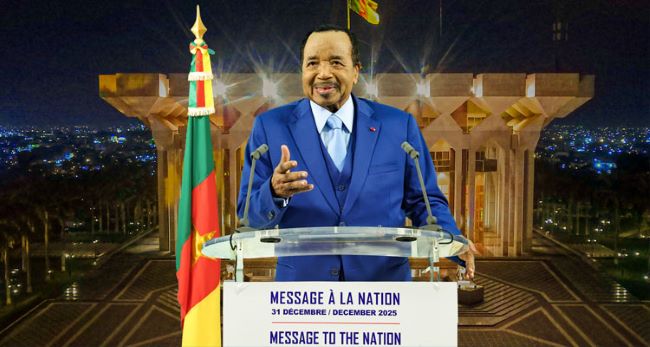
 44 years of Biya: a nation held hostage by unanswered questions
 Parliamentary and Municipal Elections: Cameroon needs a new president not another election cycle
 Federal Republic of Ambazonia: APLA demands release of Sisiku Ayuk Tabe
 Biya, how long must Cameroon wait for a new director-general at SNH?
 Sasse Old Boys: A call for conscience, integrity and responsible leadership
Most Commented Posts
 4 Anglophone detainees killed in Yaounde
18 comments Chantal Biya says she will return to Cameroon if General Ivo Yenwo, Martin Belinga Eboutou and Ferdinand Ngoh Ngoh are sacked
13 comments The Anglophone Problem – When Facts don’t Lie
12 comments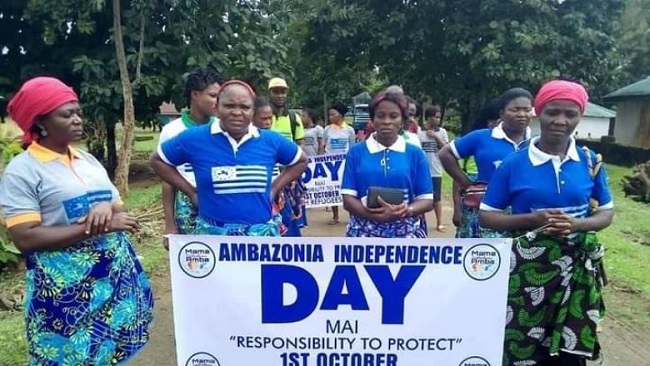 Anglophone Nationalism: Barrister Eyambe says “hidden plans are at work”
12 comments Largest wave of arrest by BIR in Bamenda
10 comments
Featured
-
44 years of Biya: a nation held hostage by unanswered questions
-

Southern Cameroons Crisis: Dr Dabney Yerima is APLA Special Envoy
-

Dublin-Rome plane diverted as 20 European flights hit by bomb hoaxes
-

Parliamentary and Municipal Elections: Cameroon needs a new president not another election cycle
-
Midterm Elections: Iran handed Trump ‘political defeat’
-

Tchiroma stands by election boycott announced before party’s suspension
-
Southern Cameroons report 987 kidnappings as crisis disrupts trade and farming
17, April 2019
Biya regime holds workshop to lay groundwork for implementing AfCFTA 0
Cameroon organized a workshop in collaboration with the UN Economic Commission for Africa (ECA) in the capital on Tuesday to lay the groundwork for the implementation of Africa Continental Free Trade Agreement (AfCFTA).
Government officials said the two-day workshop gives Cameroon the opportunity to assess what the country will benefit from the agreement.
“We are talking about a continent of over 1 billion people and there are 25 million of us in Cameroon. The advantages of the free trade zone are so many for an economy like ours. It is necessary for us to work day and night to be part of the advantages and not disadvantages. We are confident that it will bring a lot of prosperity and stability to our economy,” Cameroon’s Minister of Trade, Luc Magloire Mbarga Atangana, told reporters.
The workshop, the first of its kind, brings together more than 100 stakeholders from the private sector, academia and civil society to evaluate Cameroon’s readiness to ratify the agreement.
Twenty two African nations have already ratified the agreement, the minimum threshold expected to approve the deal among the 55 members of the African Union.
According to ECA, AfCFTA represents a potential market of 1.2 billion consumers today, and nearly 2.5 billion in 2050, and is a powerful lever to stimulate exports, industrialization, job creation and economic diversification of the African continent.
Source: Xinhuanet