Featured
 Biya’s hand: a source of glory and shame
  So, Cameroonians, what exactly do you want from President Biya?
 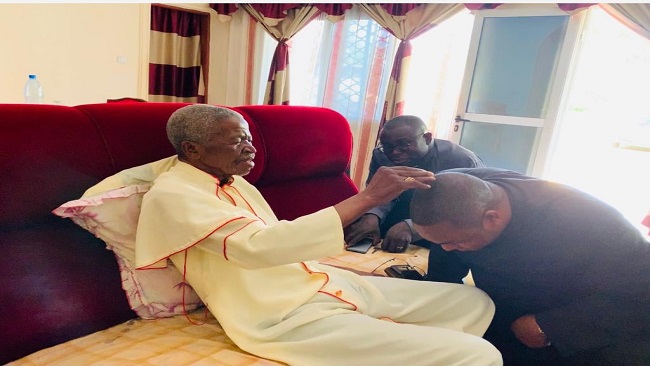 Benedictus Lysinge: Homily, Mass of the Bamenda Provincial Association of Diocesan Priests
  Samuel Eto’o, a champion’s answer to his critics
  Journalist held incommunicado for photo of Ambazonia unrest
Most Commented Posts
 4 Anglophone detainees killed in Yaounde
18 comments Chantal Biya says she will return to Cameroon if General Ivo Yenwo, Martin Belinga Eboutou and Ferdinand Ngoh Ngoh are sacked
13 comments The Anglophone Problem – When Facts don’t Lie
12 comments Anglophone Nationalism: Barrister Eyambe says “hidden plans are at work”
12 comments Largest wave of arrest by BIR in Bamenda
10 comments
Featured
-

Biya’s hand: a source of glory and shame
-

Iran urges UK, France to heed veteran diplomats’ warning on Israel
-

Hundreds of Ukrainian conscripts desert during military training in Germany
-

Yaoundé: Japan plans 2027 festival to introduce Cameroonians to its culture
-

Yaoundé: Biya returns after 74 days abroad
-

Football: Djibouti federation accused of misusing funds
-

So, Cameroonians, what exactly do you want from President Biya?
6, April 2024
BEAC withdraws CFA63bn in a week to curb CEMAC inflation 0
The Bank of Central African States (BEAC) has successfully withdrawn a total of CFA63 billion from the banking system in two operations. This move is part of the central bank’s efforts to combat monetary inflation, which accounts for 20% of the inflation in the region.
The first withdrawal operation took place on March 28, when the central bank targeted CFA50 billion through the issuance of 14-day BEAC bonds at a 2.5% interest rate. However, it only managed to attract an offer of CFA15 billion, resulting in a relatively low demand coverage rate of just over 30%.
On April 2, BEAC launched another operation for CFA230 billion but only one bank participated, allowing the central bank to withdraw CFA48 billion at an interest rate of 1.25%. In total, the central bank managed to collect CFA63 billion from commercial banks in a week.
Let’s note that the escalation of liquidity withdrawals, including increasing the amounts sought by the BEAC and issuing BEAC bonds, are among the strategies employed by the CEMAC central bank to fight soaring inflation within the region. In addition to these measures, the BEAC has recently increased its key interest rates multiple times to slow down the refinancing pace of commercial banks and has suspended its liquidity injection operations into the banking system.
The central bank’s goal is to drain the banks and thus restrict economic agents’ access to credit. According to the BEAC, injecting significant financing into economic circuits contributes to inflation, especially in countries like those in the CEMAC region, where most goods and services are imported.
Source: Business in Cameroon