Featured
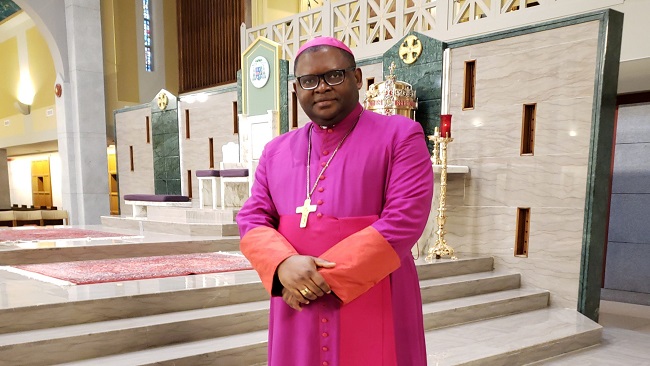 Archbishop Nkea, Bishop Bibi and Samuel Eto’o: Social media popularity should not come at the expense of truth
  Cameroon Concord News to put up an obituary announcement on Biya soonest
  Biya’s Health: CPDM political bureau must act before uncertainty becomes crisis
  Tchiroma, Akere, Kamto: an opposition that still cannot seize the moment
 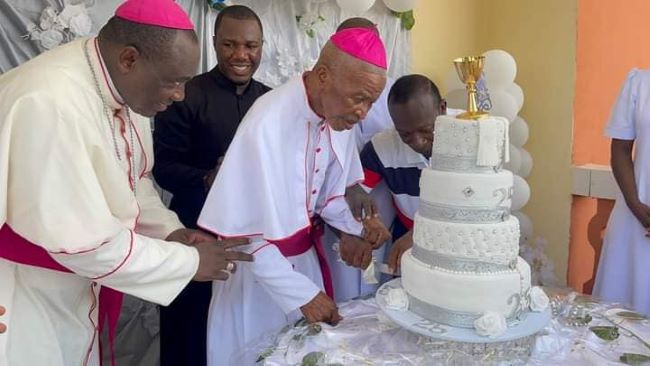 Bishop Emeritus Lysinge: May he enter with joy, into the house of the Father
Most Commented Posts
 4 Anglophone detainees killed in Yaounde
18 comments Chantal Biya says she will return to Cameroon if General Ivo Yenwo, Martin Belinga Eboutou and Ferdinand Ngoh Ngoh are sacked
13 comments The Anglophone Problem – When Facts don’t Lie
12 comments Anglophone Nationalism: Barrister Eyambe says “hidden plans are at work”
12 comments Largest wave of arrest by BIR in Bamenda
10 comments
Featured
-
Archbishop Nkea, Bishop Bibi and Samuel Eto’o: Social media popularity should not come at the expense of truth
-
Russian strikes target Ukraine’s Kharkiv and Sumy regions, killing at least six
-

Trump grows increasingly frustrated over Iran retaliation, confronts Hegseth
-

FIFA: Embattled Infantino holds emergency talks amid calls to step down
-

U.S.-Cameroon economic dialogue set for August 27
-

Etoudi reshuffles military as Biya’s absence stokes unease
-

AI offers lifeline to developing economies in an era of weak growth
7, March 2026
2.9 million people in Cameroon now need aid as crises overlap 0
Cameroon is facing growing humanitarian pressures fueled by three simultaneous crises affecting different parts of the country.
In the Far North region, violence linked to the Lake Chad Basin conflict continues to trigger population displacement and increase protection risks, while insecurity limits access to basic social services.
In the Northwest and Southwest regions, persistent violence continues to disrupt daily life and restrict access to markets, schools, and health care.
Meanwhile, the Adamawa, North, and East regions continue to host refugees from the Central African Republic. Many of them have been displaced for years and remain exposed to protection risks, while opportunities for economic self-reliance remain limited.
Against this backdrop, Cameroon remains among the most neglected humanitarian crises in the region. Violence and insecurity, forced displacement, climate shocks, and public health risks are compounding existing structural vulnerabilities.
About 2.9 million people in Cameroon are expected to need humanitarian assistance and protection services in 2026, according to the United Nations Office for the Coordination of Humanitarian Affairs (OCHA). The estimate appears in the report Cameroon: Humanitarian Needs and Response Plan 2026, published March 5.
A Complex Humanitarian Landscape
Behind this figure lies a pattern of long-term vulnerability, according to the United Nations.
Many families have lost their homes and livelihoods, children face repeated interruptions in schooling, and communities continue to experience successive shocks while humanitarian operations remain constrained.
These crises are unfolding in a broader environment marked by structural development gaps and persistent vulnerabilities, which amplify the impact of each new shock.
Climate hazards are further worsening the situation. Floods and droughts repeatedly damage property, disrupt livelihoods, and put additional pressure on already limited public services.
In the Northwest and Southwest regions, insecurity and access restrictions add another layer of operational difficulty for aid organizations.
In 2025, humanitarian actors documented several constraints in affected areas, including movement restrictions, administrative hurdles delaying operations, and security incidents that increased risks for both civilians and aid workers.
Source: Sbbc