Featured
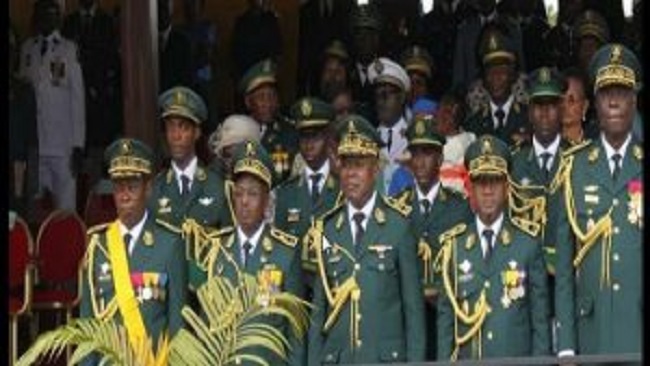 The Cameroonian army must put its conscience to the test
 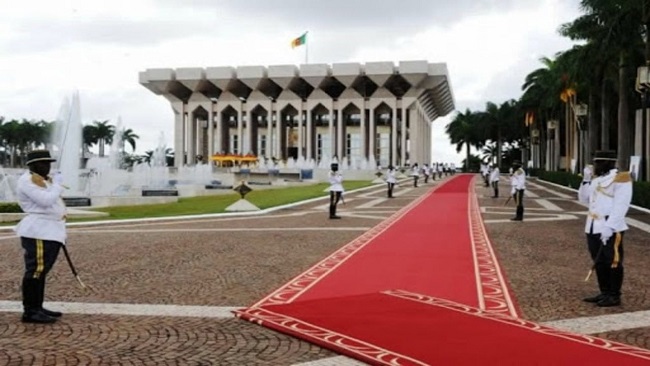 Who really pushed for the return of the Vice President of the Republic?
  When politics fails a nation, football and the Church become the battleground
  Biya has had his era; Cameroon must now be allowed to enter its next one
 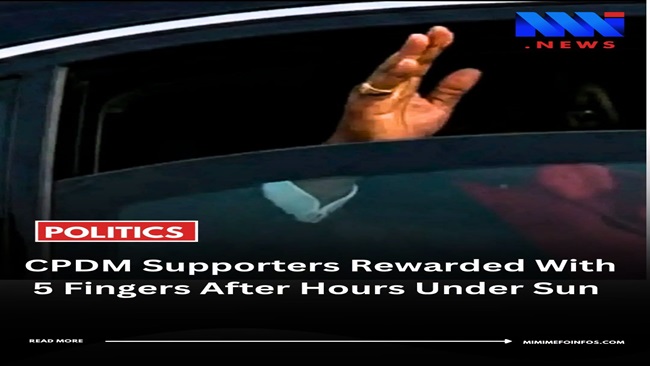 Biya’s hand: a source of glory and shame
Most Commented Posts
 4 Anglophone detainees killed in Yaounde
18 comments Chantal Biya says she will return to Cameroon if General Ivo Yenwo, Martin Belinga Eboutou and Ferdinand Ngoh Ngoh are sacked
13 comments The Anglophone Problem – When Facts don’t Lie
12 comments Anglophone Nationalism: Barrister Eyambe says “hidden plans are at work”
12 comments Largest wave of arrest by BIR in Bamenda
10 comments
Featured
-

Martinez Zogo Trial: questions over missing phone linked to Amougou Belinga
-

Revealed: Colonel Danwe admits ordering Martinez Zogo operation
-
Archbishop Nkea to battle decade of war with new peace Catechism
-

Southern Cameroons Crisis: 7 kidnapped by suspected Amba fighters in Bangourain
-
Southern Cameroons Crisis: 3 killed, 2 injured in bar shooting in Bamenda
-
US military nearing ‘breakdown’ amid sustained Iranian attacks
-
The Cameroonian army must put its conscience to the test
10, April 2026
Yaoundé gains diplomatic visibility from WTO Summit 0
Cameroon is seeking to leverage the diplomatic momentum from hosting the World Trade Organization’s 14th Ministerial Conference (CM14), held in Yaoundé from March 26 to 29, 2026.
In a letter to Trade Minister Luc Magloire Mbarga Atangana, WTO Director-General Ngozi Okonjo-Iweala praised the quality of the country’s organization and the engagement of Cameroonian authorities throughout the event. The WTO has formally documented the conference as successfully held in Yaoundé.
The recognition reinforces Cameroon’s image as a capable host of major multilateral events. It comes, however, in a tense global context marked by deep divisions among WTO members on several key issues.
For Yaoundé, the diplomatic challenge is twofold: highlight the success of the event’s organization while avoiding overstating its political outcomes. Although the conference helped sustain dialogue among members, it did not result in a final package of agreements adopted by consensus.
The European Commission noted after the meeting that no comprehensive deal was reached. Negotiations stalled on sensitive topics, including WTO reform, the moratorium on customs duties for e-commerce, and other issues that have now been referred back to Geneva.
Brussels pointed in particular to the lack of consensus on extending the e-commerce moratorium, which prevented the finalization of the broader package under discussion in Yaoundé.
In this context, the positive assessments directed at Cameroon remain largely tied to protocol and organization. Still, they carry weight for the authorities, who see them as validation of the country’s ability to host high-level international gatherings and provide a suitable working environment.
The next step for Cameroon will be to convert this reputational gain into more durable influence within multilateral economic forums. For now, however, the diplomatic impact of CM14 rests more on how it was organized than on any substantive breakthroughs in global trade negotiations.
Source: Business in Cameroon