Featured
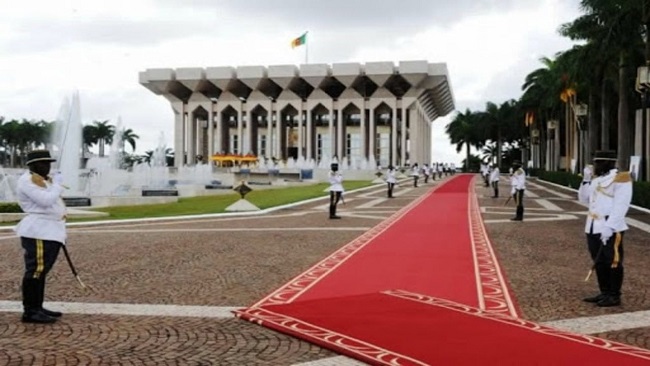 Unity Palace needs a new idea and a new head of state
 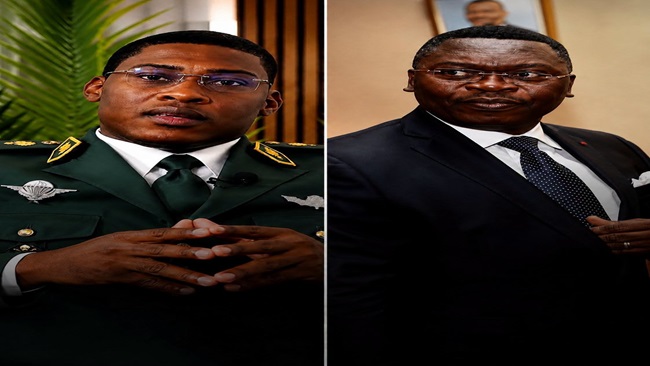 Martinez Zogo Affair: Biya must clean house and make way for a new generation
  Ambazonia People’s Liberation Authority explains motives for the new transition
  A year after Biya’s disputed re-election, CPDM remains without a timetable for next year’s polls.
 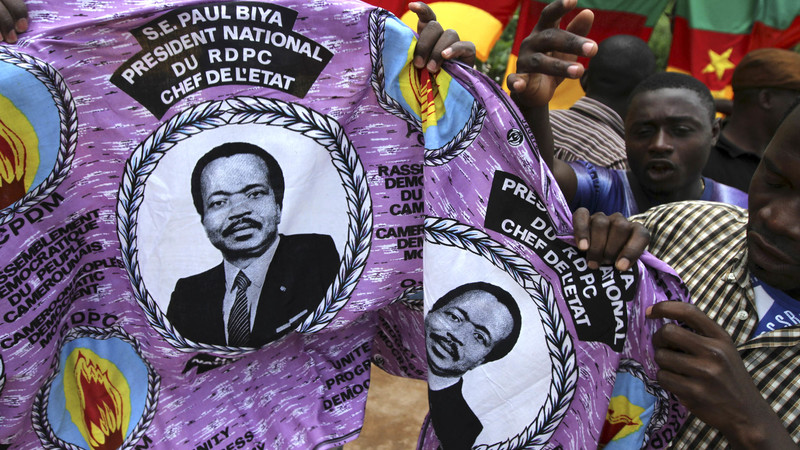 Ruling CPDM Party: When a political message runs out of the road
Most Commented Posts
 4 Anglophone detainees killed in Yaounde
18 comments Chantal Biya says she will return to Cameroon if General Ivo Yenwo, Martin Belinga Eboutou and Ferdinand Ngoh Ngoh are sacked
13 comments The Anglophone Problem – When Facts don’t Lie
12 comments Anglophone Nationalism: Barrister Eyambe says “hidden plans are at work”
12 comments Largest wave of arrest by BIR in Bamenda
10 comments
Featured
-

Harry Kane ends England’s 25-year Ballon d’Or drought
-
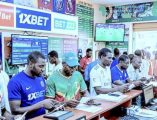
Cameroon’s sports betting tax revenue remains unclear
-

Revealed: 2 Franklin Templeton Funds hold CFAF 2 billion in Cameroon bonds
-

Brazil’s Lula beats odds and seals re-election, rival Bolsonaro demands annulment
-
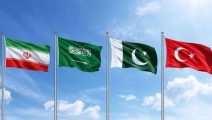
Top officials from Saudi Arabia, Pakistan, Turkey due in Iran for security talks
-

Unity Palace needs a new idea and a new head of state
-

Trump says US may launch ‘another little Epic Fury’ attack on Iran
10, June 2026
Africa sends record 10 teams into World Cup as 2026 tournament begins 0
Africa will make history at the 2026 FIFA World Cup with 10 teams representing the continent, the largest African contingent ever seen at the tournament.
The competition kicks off on Thursday in North America, with South Africa facing co-hosts Mexico in the opening match, and for the first time Africa will have double-digit representation on football’s biggest stage.
Algeria, Cape Verde, Côte d’Ivoire, DR Congo, Egypt, Ghana, Morocco, Senegal, South Africa and Tunisia will carry the continent’s hopes at the expanded 48-team tournament in Canada, Mexico and the United States.
It is a landmark moment for African football, coming four years after Morocco became the first African team to reach a World Cup semi-final at Qatar 2022.
The increase in representation gives the continent a wider opportunity to build on that breakthrough and to challenge deeper into the competition than ever before.
Africa’s World Cup story began in 1934, when Egypt became the first team from the continent to appear at the finals.
For decades, African representation remained limited.
Morocco became the continent’s next participant in 1970, before DR Congo, then competing as Zaire, appeared in 1974.
Tunisia followed in 1978, before Algeria and Cameroon represented Africa at the 1982 tournament.
By 1986, Algeria and Morocco carried the continent’s hopes, while Cameroon and Egypt featured in 1990.
The 1994 World Cup saw Cameroon, Morocco and Nigeria represent Africa, before the continent had five teams for the first time in 1998: Cameroon, Morocco, Nigeria, South Africa and Tunisia.
That five-team representation continued in 2002, with Cameroon, Nigeria, Senegal, South Africa and Tunisia, before Angola, Côte d’Ivoire, Ghana, Togo and Tunisia qualified for the 2006 tournament.
Africa’s previous record came in 2010, when six teams appeared at the World Cup hosted by South Africa.
Algeria, Cameroon, Côte d’Ivoire, Ghana, Nigeria and South Africa were all present, with Ghana going on to reach the quarter-finals before losing to Uruguay on penalties.
In 2014, Africa was represented by Algeria, Cameroon, Côte d’Ivoire, Ghana and Nigeria.
Egypt, Morocco, Nigeria, Senegal and Tunisia qualified in 2018, while Cameroon, Ghana, Morocco, Senegal and Tunisia carried African hopes in Qatar in 2022.
Morocco’s run to the semi-finals in Qatar changed the global perception of African teams at the World Cup.
The Atlas Lions defeated Belgium, Spain and Portugal on their way to the last four, giving African football its strongest statement yet at the tournament.
Now, with 10 teams involved, the continent has more chances to create another historic run.
Cape Verde’s qualification is one of the standout stories of the 2026 tournament, with the island nation set for its first World Cup appearance.
DR Congo also return to the global stage for the first time since 1974, adding another powerful storyline to Africa’s participation.
South Africa’s return is also significant. Bafana Bafana are back at the World Cup for the first time since hosting the tournament in 2010, and they will open the competition against Mexico in a fixture rich with history.
Ghana, Senegal, Morocco, Tunisia, Algeria, Egypt and Côte d’Ivoire all bring World Cup experience, while Cape Verde and DR Congo add freshness and renewed energy to the African challenge.
For the continent, the 2026 World Cup is not only about numbers.
It is about whether African teams can turn record representation into record performance.
The expanded tournament offers more places, but it also brings greater expectations.
After years of near misses, dramatic exits and unforgettable moments, Africa arrives in North America with its strongest presence yet.
From Egypt’s first appearance in 1934 to 10 teams in 2026, the journey has been long, difficult and historic.
Now the continent has another opportunity to show that its place at the World Cup is not just growing in size, but also in ambition.
African participation at the FIFA World Cup
1934: Egypt
1970: Morocco
1974: DR Congo
1978: Tunisia
1982: Algeria, Cameroon
1986: Algeria, Morocco
1990: Cameroon, Egypt
1994: Cameroon, Morocco, Nigeria
1998: Cameroon, Morocco, Nigeria, South Africa, Tunisia
2002: Cameroon, Nigeria, Senegal, South Africa, Tunisia
2006: Angola, Côte d’Ivoire, Ghana, Togo, Tunisia
2010: Algeria, Cameroon, Côte d’Ivoire, Ghana, Nigeria, South Africa
2014: Algeria, Cameroon, Côte d’Ivoire, Ghana, Nigeria
2018: Egypt, Morocco, Nigeria, Senegal, Tunisia
2022: Cameroon, Ghana, Morocco, Senegal, Tunisia
2026: Algeria, Cape Verde, Côte d’Ivoire, DR Congo, Egypt, Ghana, Morocco, Senegal, South Africa, Tunisia
Culled from CAF