
5, September 2018
1.4 billion risk deadly disease from lack of enough exercise 0
More than 1.4 billion adults are putting themselves at heightened risk of deadly diseases by not getting enough exercise, doctors are warning, with global activity levels virtually unchanged in nearly two decades.
With richer nations enjoying an increasingly comfortable, sedentary lifestyle, a study by the World Health Organization said a third of women and a quarter of men worldwide are in the firing line for killer conditions such as heart disease, diabetes and cancer unless they up their physical activity.
“Insufficient physical activity is a leading risk factor for non-communicable diseases, and has a negative effect on mental health and quality of life,” said the study of world exercise levels published Wednesday by The Lancet Global Health Journal.
The WHO recommends each adult do at least 150 minutes “moderate-intensity” exercise — such as brisk walking, swimming, or gentle cycling — each week, or 75 minutes “vigorous-intensity” activity — such as running or team sports.
The study tracked activity levels of 1.9 million people in 168 countries across the world during 2016.
Researchers found there had been no improvement in physical activity levels since 2001, despite numerous public health initiatives extolling the benefits of exercise.
More than a quarter of the world’s adults (1.4 billion people) were insufficiently active, according to the data.
“We definitely haven’t done enough” to encourage people to exercise, the WHO’s Regina Guthold, lead study author, told AFP.
“We have seen basically no progress.”
The study authors highlighted several worrying trends, including a stark divide in exercise rates between poor and rich nations, and between men and women.
Wealth, gender gaps
Levels of insufficient activity to guard off non-communicable killers, including dementia and cardiovascular diseases, are more than twice as high in high-income countries compared to developing nations.
Guthold said the link between the lifestyle in wealthier nations — more time indoors, longer office hours, more easily accessible high-calorie foods — and lower exercise levels, was part of a “clear pattern” of poorer health coming with urbanization.

“As countries urbanize, people who used to be, say, farmers, and got a lot of physical activity through their work all of a sudden live in an urban environment where they might be without work or move to a sedentary job, so societies need to compensate,” she said.
In four countries — Kuwait, American Samoa, Saudi Arabia and Iraq — more than half of adults were classified as insufficiently active.
Melody Ding of the University of Sydney, who worked on the paper, said there were a variety of reasons why some countries were more active than others, including “biological, psychosocial, institutional, cultural and environmental barriers.”
“I consider one of the biggest barriers being our environment — physical activity has been engineered out of life, with desk-based jobs replacing labor jobs, lifts replacing stairs, cars replacing active travel,” she told AFP.
“Technological advancement has made our life more convenient but also less active.”
Women still lag behind men in nearly every region of the world, with the gender exercise gap highest in Bangladesh, Eritrea, India, Iraq, and the Philippines, the study found.
“In these settings, women are often expected to be at home, take care of the children, manage the household and so sometimes don’t always have time to exercise,” said Guthold.
One bright spot on the global exercise map was Southeast Asia, where women were equally as active as men in the only region where inactivity has decreased since 2001.
(Source: AFP)












5, September 2018
Ambazonia War: Whereabouts of prominent activist that disappeared in Kumba unknown 0
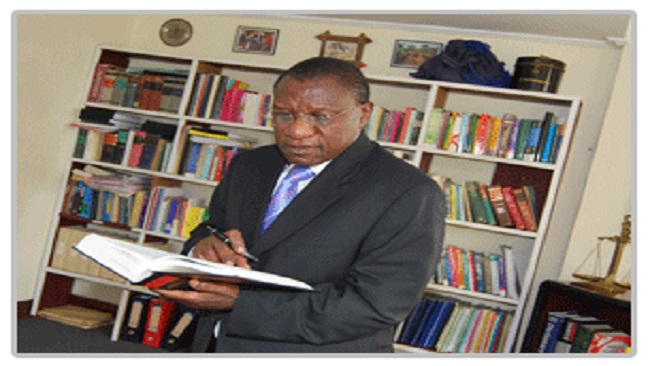
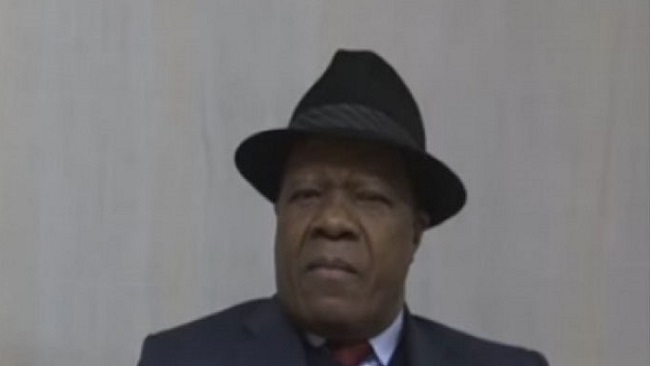
A prominent Cameroonian rights activist has been missing for nearly a month after heading to the restive anglophone region on a fact-finding mission, his partner said on Monday.
Franklin Mowha, the head of the Frontline Fighters for Citizen’s Interest, disappeared after leaving the commercial capital Douala on August 6 for Kumba, a town in the English-speaking South-West Region, Stephanie Flore Ngiedie Nkamgue told AFP.
“I have tried in vain to contact him on telephone,” she said. “Nobody has been able to talk to him from August 6 and all his numbers have been unreachable from the 13th,” she said.
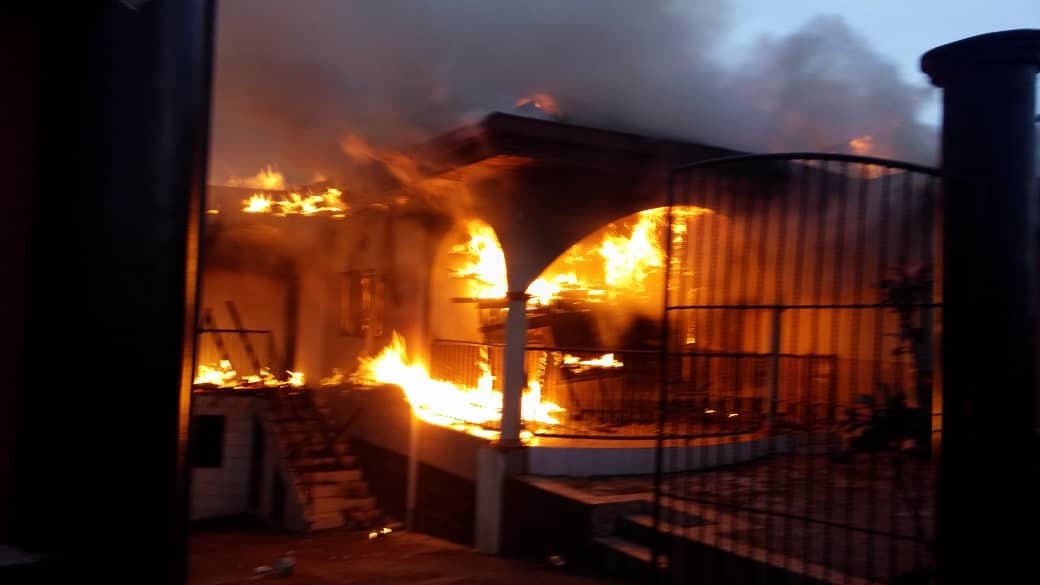
Separatist unrest in Cameroon’s two minority English-speaking regions – northwest and southwest – has left scores dead and displaced around 200 000 people since late 2016.
Years of resentment at perceived discrimination at the hands of Cameroon’s francophone majority have led to almost daily acts of violence and retribution and triggered a government crackdown.
Theophile Nono, another activist, said Mowha was going to Kumba to gather numbers on how many people had been displaced by the unrest. His family has informed the police but Cameroonian authorities have so far not commented on the disappearance.
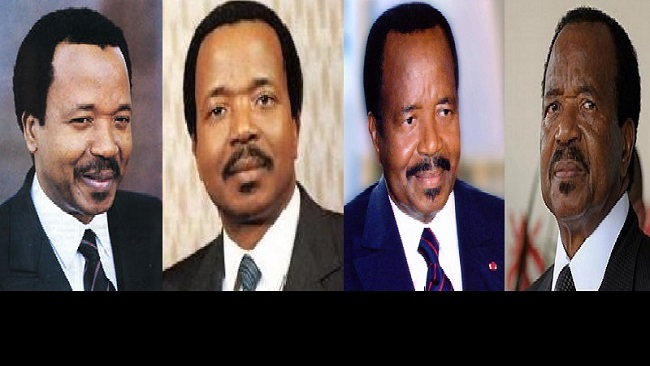
The conflict in the anglophone region, where separatists have declared an independent state, poses problems for the organisation of the presidential election scheduled for October 7 in which the 85-year-old incumbent Paul Biya is bidding for a seventh consecutive term.
Anglophones today account for about a fifth of the West African country’s population of 22 million.