

19, July 2018
Obama says young Africans must stay and transform Africa 0
Former U.S. president Barack Obama advised talented young Africans on Wednesday to drive change at home rather than emigrating, and urged their governments to do more to curb a brain drain.
Obama, whose Kenyan-born father studied in the United States but later returned home to work as an economist, described the phenomenon of the best minds leaving for global centres abroad as “a real issue”.
“More and more not only are we seeing concentrations of wealth, we are seeing concentrations of talent in various global centres, whether it is Shanghai or Dubai,” said Obama, who is on his first visit to Africa since leaving office in January 2017.
Obama told young African business people and activists at a gathering in Johannesburg that opportunities could be greater in their own countries. “Precisely because there may be less of a concentration of talent, … your chances of being transformative are going to be higher,” he said.
His non-profit organisation, The Obama Foundation, runs a leadership programme aimed at helping aspiring Africans to solve pressing problems on the continent.
“If we have African leaders, governments and institutions which are creating a platform for success and opportunity, then you will increasingly get more talent wanting to stay,” Obama said. “Once you reach a tipping point, not only will you stop the brain drain, then it will start reversing.”
On Tuesday he used a lecture marking 100 years since the birth of South Africa’s first post-apartheid president Nelson Mandela to urge world leaders to resist cynicism over the rise of strongmen – pointed comments which many interpreted as a reference to his successor, Donald Trump, among others.
Earlier this week Obama called on Kenya’s leaders to turn their backs on divisive ethnic politics and clamp down on corruption.
REUTERS
























19, July 2018
Southern Cameroons crisis hits palm oil, cocoa production 0
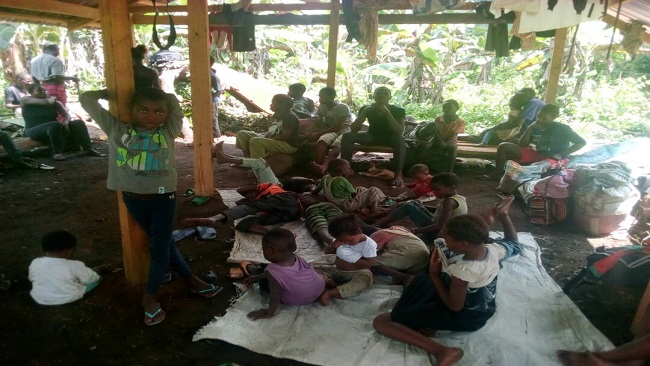
The crisis in anglophone Cameroon is damaging the Southwest Region’s economy, with palm oil plantations closing and the cocoa trade tumbling, an NGO report said Wednesday. The Southwest Region faces almost daily clashes between the army and separatists in a conflict that originated mainly in Cameroon’s second anglophone area, the Northwest Region.
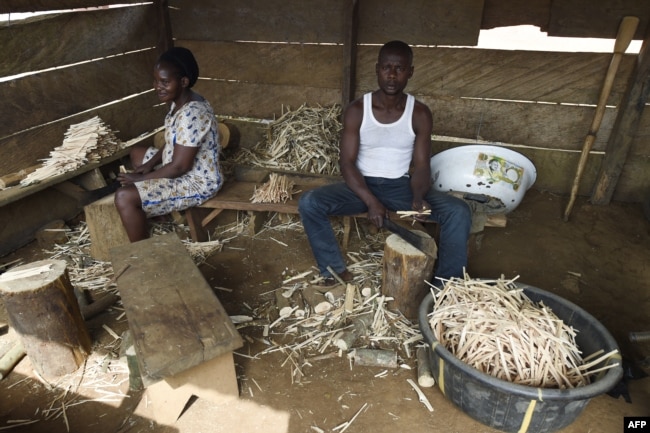
The state-run palm oil company Pamol has deserted some of its plantations, and cocoa and coffee production has stopped because villages have abandoned their crops, according to the Cameroon NGO Human Is Right. Sources at the private firm Telcar Cocoa, a market leader, told the NGO that insecurity in the region had caused an 80 percent fall in cocoa trade. Company officials should negotiate with fighters to secure their facilities in remote villages, the sources said. Meanwhile rubber and oil plantations have been abandoned in two of Southwest Region’s six districts, Ndian and Meme.
The crisis has led to a 70 percent increase in unemployment in the agricultural sector, the report found. Both the Southwest Region and the Northwest Region were once under British rule before joining francophone Cameroon in 1961 after independence. For years, resentment built among anglophones, fostered by perceived marginalisation in education, the judiciary and the economy at the hands of the French-speaking majority. Demands for greater autonomy were rejected by 85-year-old President Paul Biya, in power for more than 35 years, leading to an escalation that saw the declaration of the self-described “Republic of Ambazonia” in October last year.
www.vanguardngr.com