
4, January 2026
Indomitable Lions beat Bafana Bafana to reach AFCON 2025 quarterfinals against Morocco 0
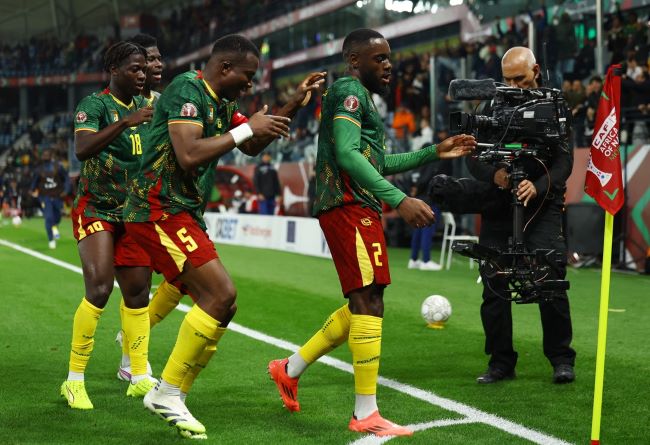
A statement win in the Round of 16. Cameroon showed efficiency and composure to knock out South Africa and book a quarterfinal date with the host.
An intense battle from the opening whistle
The AFCON 2025 Round of 16 clash got off to a fast, physical start as South Africa and Cameroon traded early momentum. Both sides tested the waters, with set pieces and direct play defining the opening exchanges.
Bafana Bafana looked to assert themselves through crosses and dead-ball situations, while the Indomitable Lions relied on pace, power and quick transitions going forward.
Tchamadeu breaks the deadlock
The breakthrough arrived in the 41st minute. Junior Tchamadeu capitalized on a well-worked move to beat the South African back line and give Cameroon a deserved lead heading into the break.
South Africa tried to respond before halftime, including a saved effort from Oswin Appollis, but lacked the final touch to draw level.
Kofane doubles the lead and Cameroon take control
The second half could not have started better for Cameroon. At 54 minutes, Christian Kofane struck to make it 2-0, putting immediate pressure on South Africa and shifting full control of the match to the Lions.
With the advantage secured, Cameroon managed the tempo intelligently, closing down spaces and looking to exploit gaps on the counter.
Late drama, but no comeback
Just when the match seemed settled, South Africa found a late lifeline. In the 88th minute, Evidence Maggopa attacked the space inside the box to meet a long delivery from Aubrey Modiba, pulling one back to make it 2–1 and adding real tension to the closing moments.
Despite a late push from Bafana Bafana, Cameroon held their nerve and protected the lead to secure their place in the AFCON 2025 quarterfinals.
Cameroon march on to a heavyweight quarterfinal
Solid at the back, clinical in front of goal and composed in key moments, Cameroon closed out a 2-1 victory to secure their place in the quarterfinals. Awaiting them is a blockbuster showdown against tournament hosts Morocco.
The Indomitable Lions move forward with confidence, while South Africa bow out after a spirited performance that ultimately fell short when it mattered most.
Source: beIN Sports






















6, January 2026
CPDM Crime Syndicate and the cost of an aging political class 0
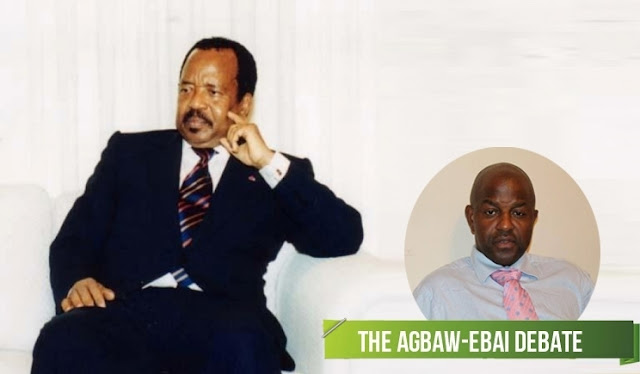
The failed Biya regime in Yaoundé has entered 2026 with a political structure that does not reflect continuity but a growing fragility. Many senior cabinet ministers and top government officials including Prime Minister Dion Ngute, Laurent Esso and Maigari Bello Bouba have held office for decades, well past the age when most public servants elsewhere have retired. Biya and his ruling CPDM gang have always claimed that experience is an asset. However, prolonged reliance on aging leadership carries unavoidable risks for governance, stability, and national planning.
Nature is very impartial. Old age naturally brings health challenges, reduces performance, and increase the possibility of absences from public life-a situation that the Cameroonian nation has long been witnessing with President Biya. When state affairs are heavily concentrated in the hands of a living corpse, any unexpected loss can create disruption, uncertainty, and power struggles.
Yet the ruling CPDM party has been slow to institutionalize succession. In Cameroon, government departments revolve around individuals rather than a proper administrative system, and younger professionals are rarely groomed to step into senior roles. This leaves the cursed triangle very vulnerable, not because of the 92 year-old Mr. Biya alone, but because of a structure that resists renewal.
The issue is not about disrespecting elderly states men like Justice Minister Laurent Esso who recently could not afford money for his medical bills abroad. It is about realism. Countries that plan for continuity do not wait for crises to force change. They create pathways for mentorship, orderly transition, and generational balance long before vacancies arise.
Our nation’s population is young, educated and very dynamic. But the corrupt leadership remains disproportionately old. This disconnect is greatly fueling frustration among young citizens who see limited opportunities for participation and innovation. A government that does not renew itself risks losing legitimacy in the eyes of the very people it governs. The Biya regime is already on this path.
As 2026 unfolds, the question is not whether time will assert itself—it always does. The real question is whether Cameroon will continue to react to change, or finally prepare for it. Responsible governance demands foresight, not denial. Leadership renewal is not a threat to stability; it is the foundation of it.
By Chi Prudence Asong