

22, May 2024
Federal Republic of Ambazonia: mayor among 3 officials killed in 20th May attack 0
Gunmen suspected to be separatists on Monday shot dead three officials, including a mayor, in Cameroon’s war-torn English-speaking region of Northwest, according to the army and officials.
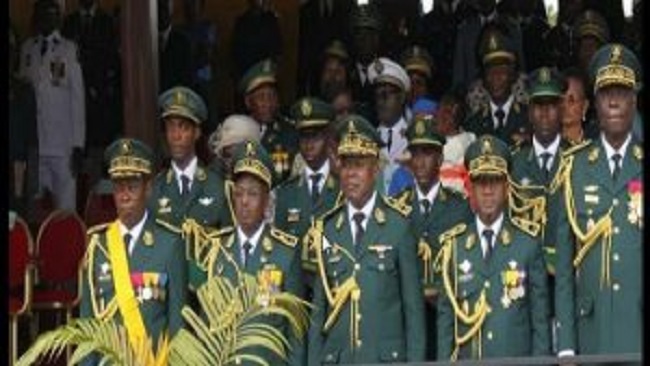
Innocent Ngong — mayor of Belo council, one of his deputies, as well as Aaron Aghi Ngong — chief of basic education in Belo subdivision were ambushed and killed on their way to attend Cameroon’s National Day celebration in the subdivision, the region’s governor Adolphe Lele L’Afrique said.
“Measures have been taken to trace the authors of that killing and we will be informed on all the development concerning that situation,” L’Afrique told reporters in Bamenda, chief town of the region.
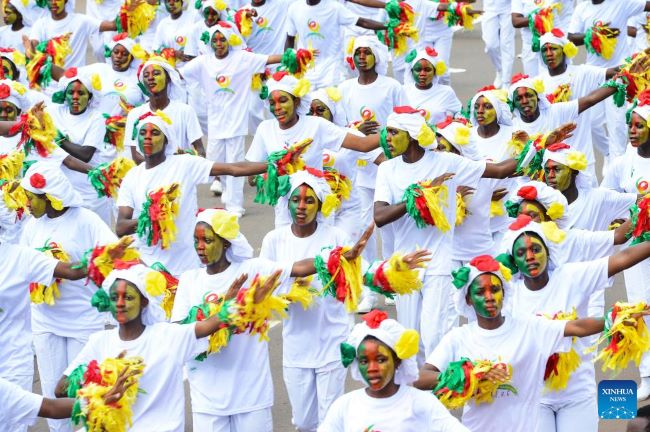
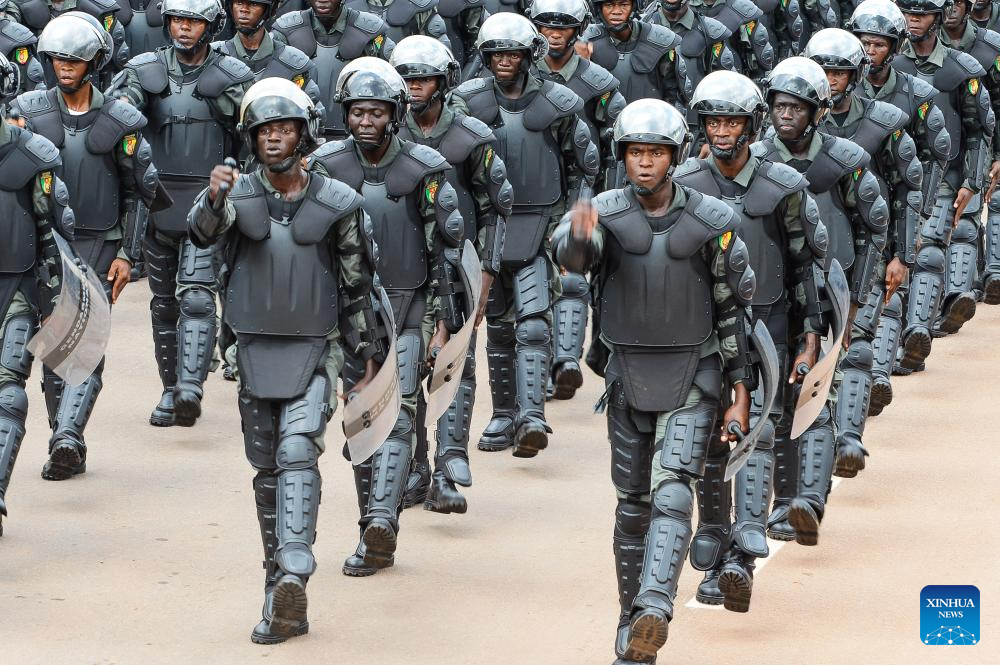
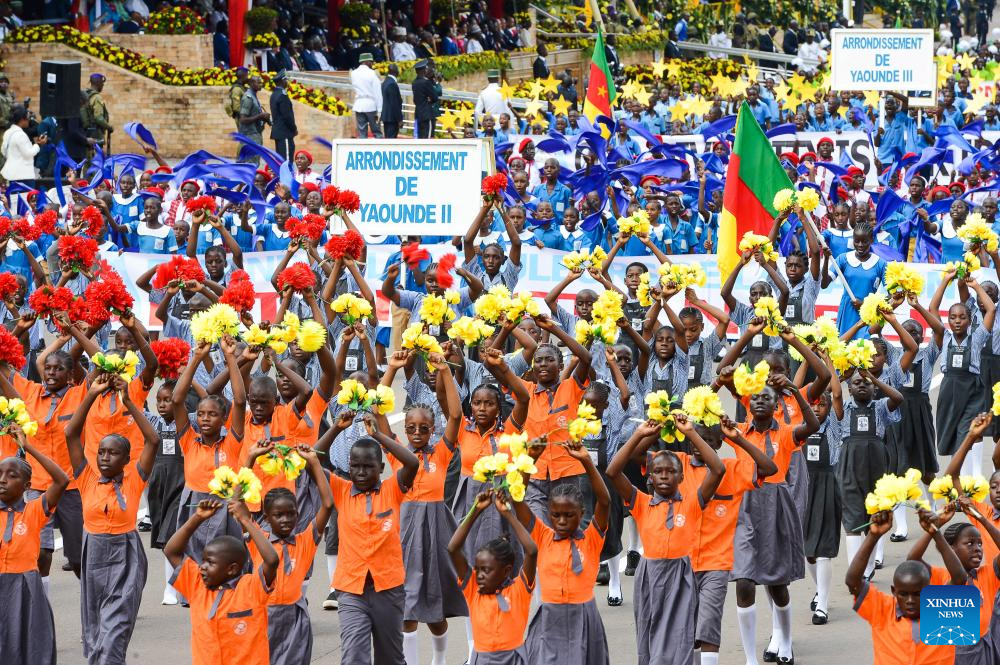
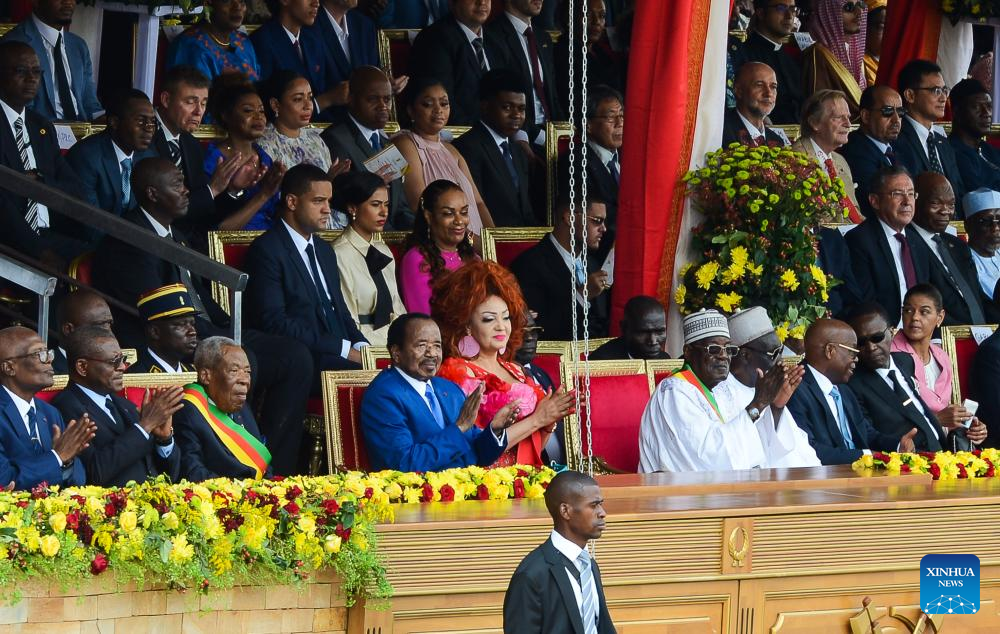
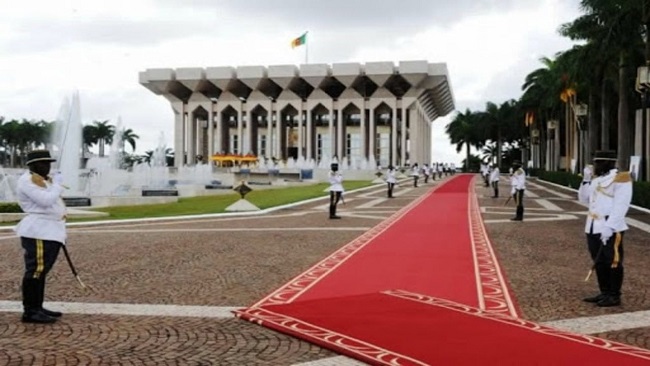
Cameroon celebrated the 52nd National Day on Monday but separatist fighters in the country’s Anglophone regions of Northwest and Southwest imposed lockdown to disrupt celebrations.
The regions have been ravaged by a prolonged armed separatist conflict after separatists declared the “independence” of the regions in 2017.
Source: Xinhuanet






















23, May 2024
Football: Atalanta wins UEFA Europa League after beating Bayer Leverkusen 3-0 0
Ademola Lookman scored a stunning hat-trick as Atalanta ended Bayer Leverkusen’s 51-match unbeaten run to win the Europa League final 3-0 on Wednesday and claim their first trophy for 61 years.
Lookman became the first player to score a hat-trick in a European final since 1975 to secure Atalanta’s first ever continental trophy.
“One of the best nights of my life. Amazing performance from the team,” said Lookman.
“We’ve got to celebrate, we made history tonight.”
The side from Bergamo have long lived in the shadow of nearby giants AC and Inter Milan.
However, they have enjoyed a golden era under Gian Piero Gasperini, reaching the Champions League on four occasions, and now have silverware to show for it.
Leverkusen have made a habit of late fightbacks in their remarkable run to winning a first ever Bundesliga title without tasting defeat.
But this time they failed to dig themselves out of a hole created by a slow start.
“It’s a shame that the time it didn’t work out for us was in a final,” said Leverkusen midfielder Granit Xhaka.
“It’s bitter, definitely, we lost a final today but we go on and we’ll make up for it on Saturday (in the German Cup final).
Atalanta’s more purposeful play in the opening stages was rewarded after just 12 minutes.
Davide Zappacosta got to the by-line and Lookman caught Exequiel Palacios napping to fire into the top corner at the back post.
The Nigerian has at times endured a nomadic career, bouncing around the lower reaches of the Premier League on loan spells at Fulham and Leicester after being discarded by RB Leipzig.
But Lookman has found a home in Bergamo, where he will now forever be a hero.
Drained Leverkusen
The 26-year-old’s second goal was fit to win any final as he nutmegged Xhaka before curling a powerful shot into the far corner.
Leverkusen’s flying full-backs have been at the heart of their stunning season and should have got them back in the game either side of half-time.
Alex Grimaldo fired tamely into the arms of Juan Musso before Jeremie Frimpong blazed over with the goal gaping.
Leverkusen were also denied a lifeline when Gianluca Scamacca was lucky to escape with a yellow card for wild challenge on Florian Wirtz.
For the fourth time in seven Europa League knockout matches, Xabi Alonso’s men found themselves 2-0 down.
Alonso has enjoyed a rapid rise to become one of Europe’s hottest coaching properties.
The Spaniard has rejected the advances of former clubs Liverpool and Bayern Munich to remain at the BayArena next season.
However, Alonso’s decision to start without a recognised striker did not work and he threw on Victor Boniface at half-time to give his side a focal point up front.
The damage, though, was already done as the German champions looked a side drained by their record run across three competitions.
Atalanta were happy to soak up the Leverkusen pressure after the break and hit on the counter-attack.
The final blow was another fabulous finish from Lookman as he skipped past Edmond Tapsoba and this time blasted into the top corner on his weaker left foot.
Atalanta had lost all three of their previous finals under Gasperini, most recently in last week’s Coppa Italia defeat to Juventus.
But this time they were not to be denied their shot at history as they were roared across the finishing line by the thousands clad in blue and black that had made the trip from northern Italy to the Irish capital.
In doing so they became the first Italian side to win the competition since Parma lifted the UEFA Cup in 1999.
Source: AFP