Featured
 World Bank Group statement on the conflict in the Middle East
  Anglophone Vice President: a deeply counterproductive idea
  Ambazonia Crisis: latest on Sisiku Ayuk Tabe’s arrest, trial and conviction
  2025 Africa Cup of Nations: Patrice Motsepe should go and go now!
  Changes in the Senate and National Assembly: who becomes next head of state?
Most Commented Posts
 4 Anglophone detainees killed in Yaounde
18 comments Chantal Biya says she will return to Cameroon if General Ivo Yenwo, Martin Belinga Eboutou and Ferdinand Ngoh Ngoh are sacked
13 comments The Anglophone Problem – When Facts don’t Lie
12 comments Anglophone Nationalism: Barrister Eyambe says “hidden plans are at work”
12 comments Largest wave of arrest by BIR in Bamenda
10 comments
Featured
-

CPDM Crime Syndicate: France flags payment delays as risk to investment climate
-

Biya regime looks to Poland to advance transport infrastructure plans
-
Cameroon struggles with chronic blood shortage despite policy efforts
-

Iran hits US-Israeli pilot hideouts, drone hangers
-

Yaoundé eyes wind energy partnership with Canada to diversify power mix
-

Biya regime advances talks with South Korea on Yaoundé emergency care project
-

Bamenda Airport passes test flight ahead of Papal Visit
31, March 2026
Cameroon struggles with chronic blood shortage despite policy efforts 0
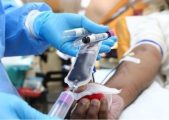
An acute blood shortage is unfolding in Cameroon. At the Yaoundé Central Hospital, the blood bank has reached critical levels. In a message relayed on March 24 via its Facebook page, the hospital reported “near-zero stock” and urged the public to donate blood urgently to save lives.
However, the pressure extends beyond a single facility. The national bilingual daily Cameroon Tribune reported that several healthcare facilities across the country have faced blood shortages for weeks. This situation raises concern in a health system where transfusions remain essential for emergencies, childbirth, severe anemia, and surgical procedures.
Structural Supply Gap Persists
Cameroon estimates its annual blood needs at around 400,000 units. However, collection levels remain significantly below this target. The report states that “less than a quarter of this demand is covered,” although 165,708 units were collected in 2024, representing more than 40% of estimated needs. The underlying conclusion remains unchanged: supply remains insufficient.
Historical data confirm this fragility. In 2022, authorities collected 147,034 units, or about 36.8% of national requirements. A large share of this supply came from so-called replacement donors—typically relatives of patients—rather than regular voluntary donors, which the World Health Organization recommends as the safest and most sustainable source.
This structural weakness stems largely from low participation in voluntary, unpaid blood donation. Several barriers persist, including limited awareness, the absence of a strong donation culture, and lingering fears, particularly concerns about contracting or transmitting diseases. As a result, blood banks struggle to maintain adequate reserves and rely heavily on emergency, case-by-case donations.
Efforts to Reverse the Trend
Health authorities are attempting to organize a more structured response. The National Blood Transfusion Center has developed a strategy to promote voluntary, unpaid donation as the cornerstone of a safer and more sustainable system.
Cameroon already operates a relatively extensive network, with nearly 473 healthcare facilities performing blood transfusions as of 2022, according to official data. Some facilities have received equipment from the WHO under the National Blood Transfusion System Strengthening Project (PRESYNATS), financed by the Islamic Development Bank.
In addition, authorities have validated a new national strategic plan for 2025–2030. The plan aims to overhaul the transfusion system by strengthening governance, improving blood product safety, enhancing hemovigilance, and decentralizing the CNTS. Authorities ultimately aim to achieve self-sufficiency in safe blood products.
The WHO recommends that countries collect the equivalent of 1% to 3% of their population in blood units annually. Cameroon has set a target of 400,000 units, or about 1.65% of its population. However, a significant gap persists between this ambition and actual collection volumes.
In this context, appeals for blood donations continue to increase. Behind the statistics, the stakes remain high: each unit of blood can save multiple patients, and each donor represents an additional chance for those in need.
Beyond short-term campaigns, specialists emphasize a deeper challenge. Cameroon must build a culture of regular, voluntary, and unpaid donation. Only this shift can ensure a sustainable blood supply and guarantee safer and more equitable access to transfusions nationwide.
Source: Sbbc